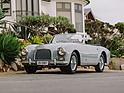
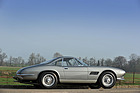
The supposed pearl


Buying a classic car is a business of trust. The buyer hardly has the opportunity to examine the car down to the lowest layers and check the quality. If the car you are buying is a restoration object, things are still comparatively simple. It is clear that a lot of work awaits you.
However, if the car has been restored and is in very good condition according to the declaration, the situation becomes more complicated. Of course, you can check the paintwork and inspect the visible parts of the car if you have the expertise to do so. But what about the structures and sheet metal beneath the visible surface?
The bodywork of a 1960s car, for example, has a complex structure and only part of it is visible from the outside. Even if you were to remove the carpets, you would not be able to see all the elements of the structure.
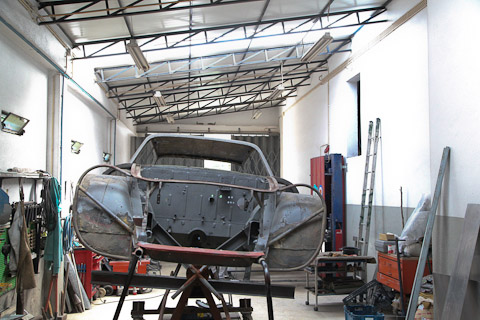
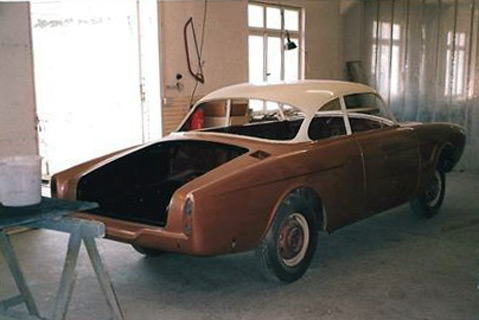
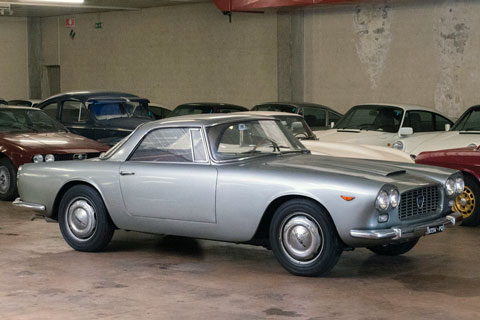
In the detailed pictures here we can see the basic structure of a Lancia coupé built according to the Superleggera construction method (the picture above is only a symbolic picture of a similar vehicle).
The car shown in the pictures had undergone a complete restoration in a high-wage country a few years ago. However, when it was stripped of paint and the sheet metal was removed layer by layer, it became apparent that the work had not been carried out true to the original and was highly incomplete. In some places, the wrong sheets had been welded over rotten structures.

The frame showed holes and traces of contact corrosion. The stabilizing steel wires that the car once had had been omitted from the body panels. In other words, the body had to be completely rebuilt and extensively refurbished.

The moral of the story? Anyone buying a restored car should not rely on words, but should take a close look at the work based on the photo documentation with the help of a specialist. If the photos are not sufficiently detailed and comprehensive, then a much more extensive inspection of the car is probably necessary, or you should refrain from buying it.