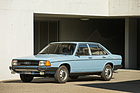
... and why don't we flood our cities?

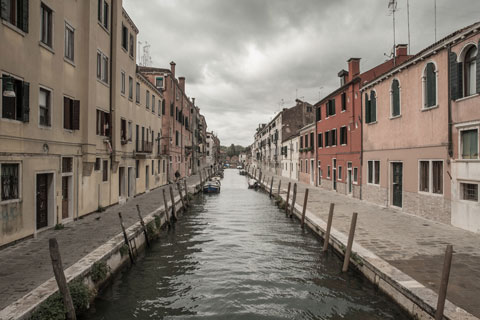
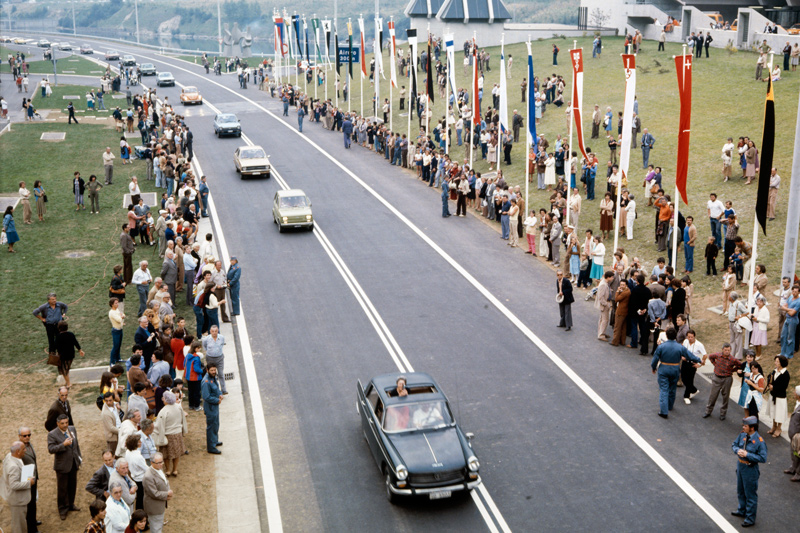
Cars should leave the cities. More and more obstacles are being placed in the way of motorists driving in urban areas. It started in Mexico City in the 1980s, when cars with certain final numbers on their license plates were banned from driving on certain dates. Then came the low emission zones, in German and other city centers. The hoped-for goal: no particulate matter in the city center. Of course, not all cars received the coveted sticker that allowed them to enter. Older cars had to stay outside, and even moving cultural assets were sometimes refused the sticker. According to the initiators, the particulate matter emitted outside the city naturally did not reach the inner cities any more than the pollen. The fact that emissions cheats were also given stickers did not make things any better. In many cities such as Zurich, more and more well-located parking spaces are being removed and the few remaining ones are becoming increasingly expensive. Around 12.4 seconds after the parking time has expired, a fine is already hanging under the windshield wiper. And the streets are becoming a torture with all the "traffic calming measures" and 30 km/h zones.
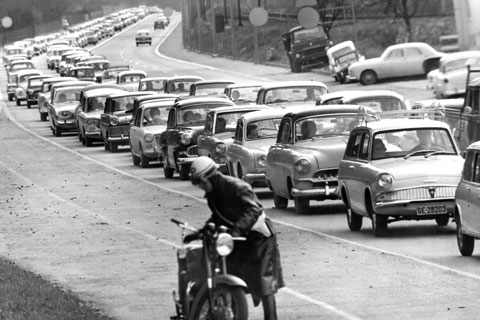
So when visiting the beautiful and absolutely unique city of Venice, a UNESCO World Heritage Site to boot, you have to quickly come up with the idea of killing two birds with one stone by simply flooding all the cities bordering lakes or with rivers running through them. The cars would quickly disappear and the city would become a tourist attraction par excellence.
However, there would then be new problems. How would the empty city and state coffers be filled without parking and speeding fines? After all, a single "giraffe" (mobile speed camera) in Lugano (Ticino, Switzerland), as confirmed by "20Minuten", brings around CHF 8 million in fines into the canton's coffers in six months, revenue that the administrations are already counting on.
Autonomous vehicles - please stop calling these things cars - are also being touted as an alternative solution to flooding city centers; they are supposed to relieve our cities thanks to better use of space and a new "we-share-everything" economy. But where does the fine come from? The occupant himself can no longer be punished if the object makes a mistake. Nevertheless, traffic will certainly not be completely error-free and there will probably be an avalanche of lawsuits to make the real culprit pay.
What do the autonomous vehicles do when they can't find a parking space? Do they drive in circles, no matter how long, until the passenger is back at the side of the road? Do they also need a green vignette or the correct final number on the license plate?
The future will certainly not be any easier, the only sad thing is that the automobile is always the first to be blamed for almost all negative aspects. Let's not forget that cars have become many times cleaner in recent years, especially in comparison to the ships that sail the world's oceans. Modern automobiles are cleaner than all the air conditioning systems that keep all the windows in Asia cool and are probably more environmentally friendly than the CO2 emissions of milk-producing ruminants.