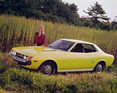
How the classic cars/youngtimers of today performed in the test back then

A look back is always interesting. How about reading a few earlier test reports?
Here is a small selection of test reports over the decades:
1955: Mercedes-Benz 300 SL test
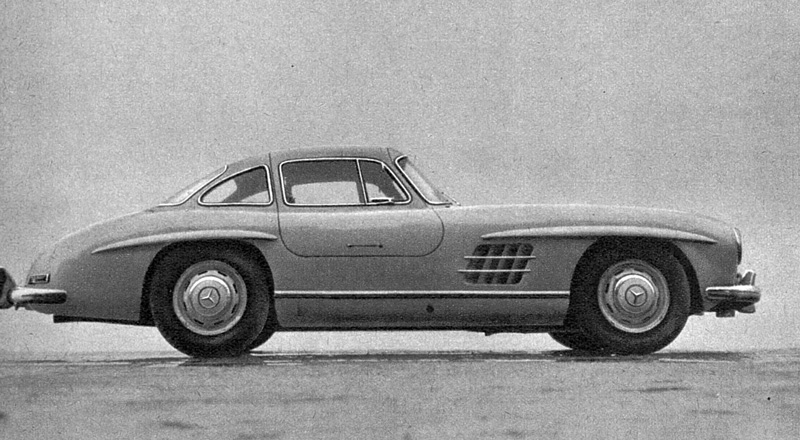
The editor of "auto motor und sport" was probably looking forward to this test even more than the readers. Driving a Mercedes-Benz 300 SL Gullwing 55 years ago must have been even more sensational than it is today. And then to drive it in acceleration tests? The gullwing ran at 228 km/h, and the car needed around eight seconds to accelerate from 0 to 100 km/h. A super sports car! A super sports car!
Find out how the car compared to other cars of the time in the multi-page test report from 1955.
1960: Peugeot 403 test
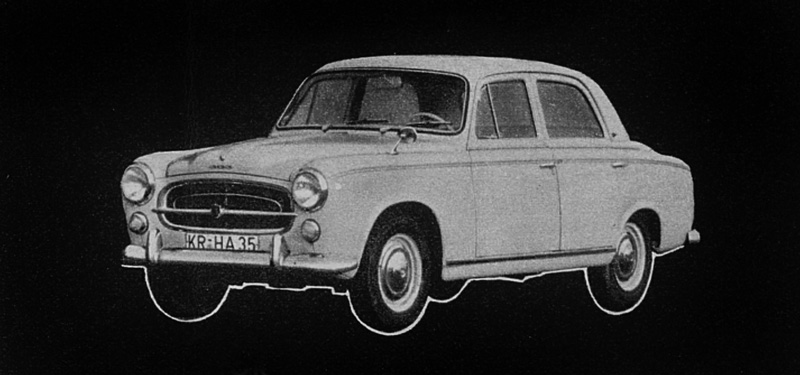
In 1960, when "auto motor und sport" tested the Peugeot 403, the design was already half a decade old and 700,000 units had already been built. The saloon was also popular in Germany and, with its 1.5-liter engine, allowed for sporty driving. The chassis was good, as were the brakes, and Michelin X tires ensured optimum road contact.
There were also a few disadvantages, which you can read about in the test from back then .
1962: VW Karmann-Ghia 1500 test
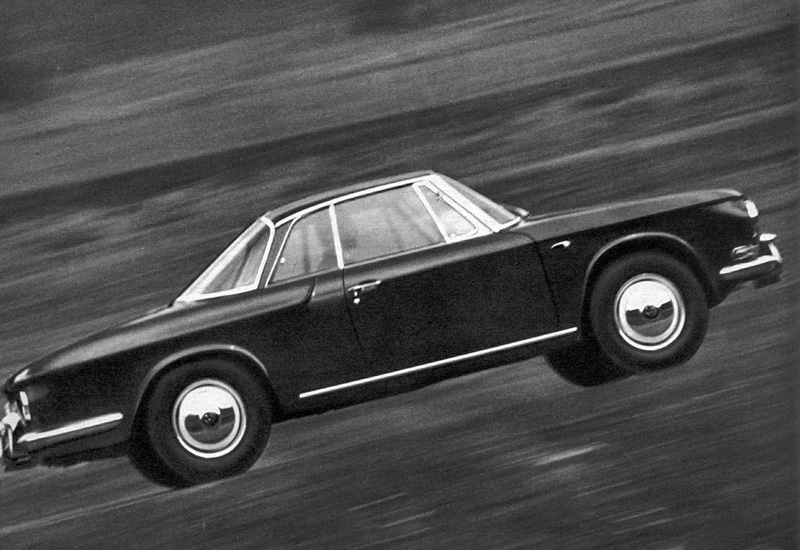
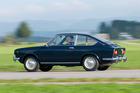
Volkswagen wanted to repeat the success story of the Type 14 with the large Karmann. The coupé came onto the market almost at the same time as the new 1500 saloon, and expectations were high. It was no surprise that the advantages and disadvantages were also partly in line with the 1500 saloon, but it was more surprising that it was offered at a fair price.
Above all, however, it was pretty to look at, as Reinhard Seiffert found in the 1962 ams test , and he predicted a great future for it.
1968: Test Triumph TR5
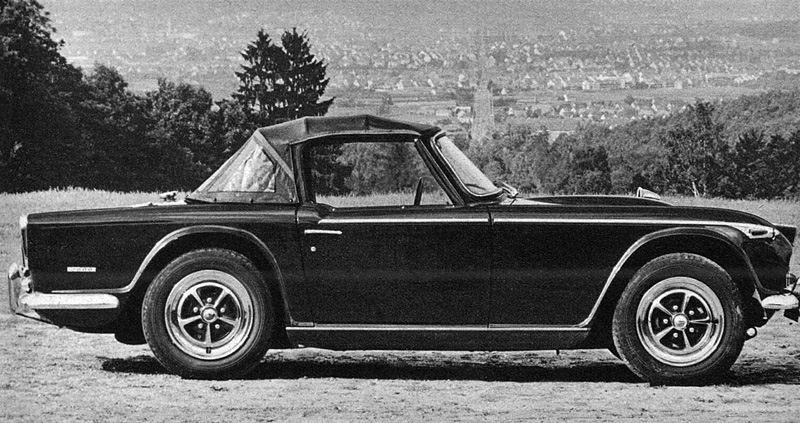
In 1968, "auto motor und sport" took the fuel-injected Triumph TR5 for a spin and clearly felt at home. The performance was praised, as was the easy-to-operate soft top, while the poor lighting and torsional tendencies of the body were criticized. But in the end, the sports car was almost unbeatable value for money.
More on this can be found in the test report of the time.
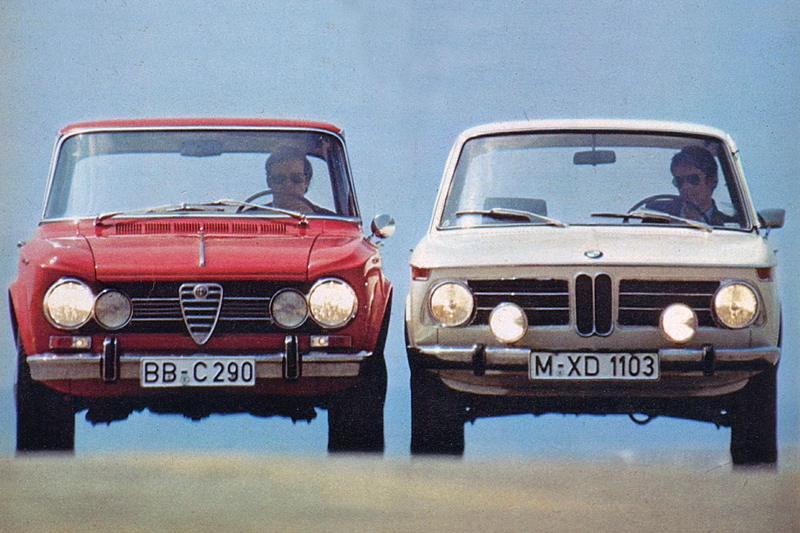
1970: Comparison of the BMW 2002 with the Alfa Romeo Giulia Super
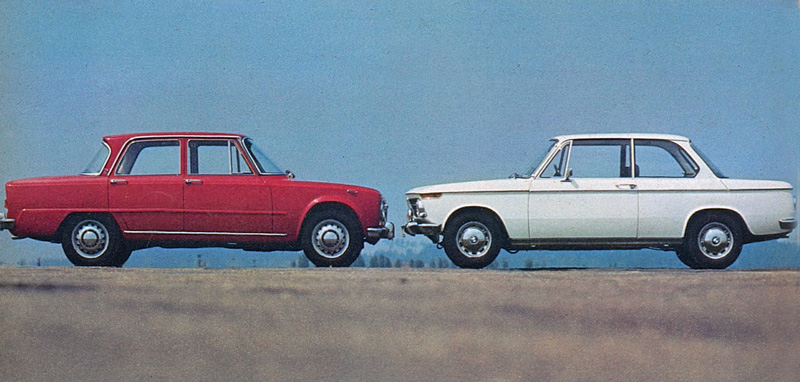
Both cars had large fan groups back then (and today). So it was only natural to compare the German sports sedan with its Italian rival. In terms of performance and price, the two were on a par, but the BMW looked better in terms of driving performance and fuel consumption. The Giulia impressed with its charm and equipment, it simply offered more car for the money, said Manfred Jantke.
You can read more about this in the comparison test from back then .
1971: Test Puma 1600 GTE
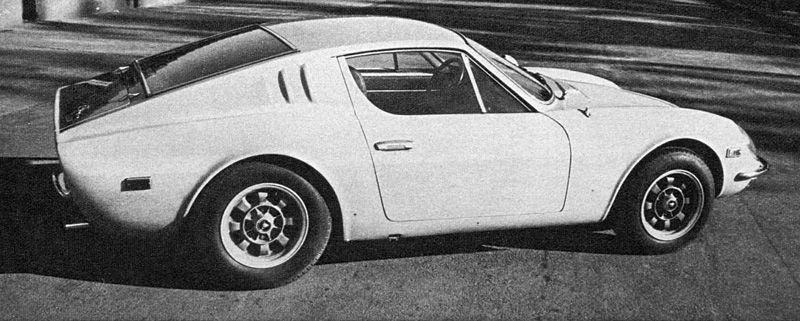
Brazil was certainly not known for building sports cars at the beginning of the 1970s, but there was a small company called "Puma" that built a very smart and sporty coupé based on VW components. None other than Karl Ludvigsen sat behind the wheel and took the pulse of the Puma 1600 GTE.
He summarized his impressions in a test report for the magazine "auto motor und sport".
1972: Test Audi 80
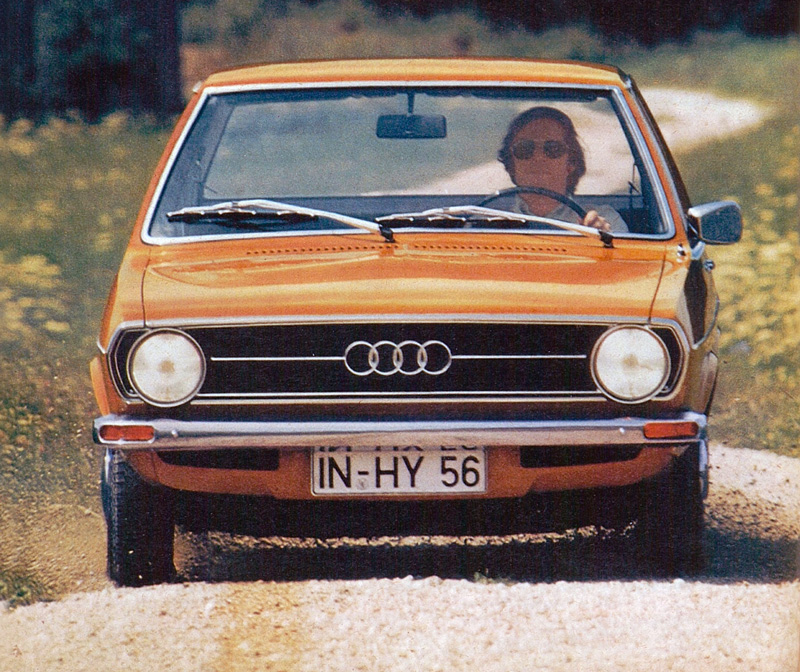
Auto Motor und Sport described the new Audi 80 LS as a "dream child" after the first test report. Economical, fast, safe to drive and comfortable, what more could you want? Perhaps a less noisy engine or a more beautifully equipped trunk?
Read more in the 1972 test. ..
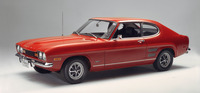
1973: Ford Capri RS 2600
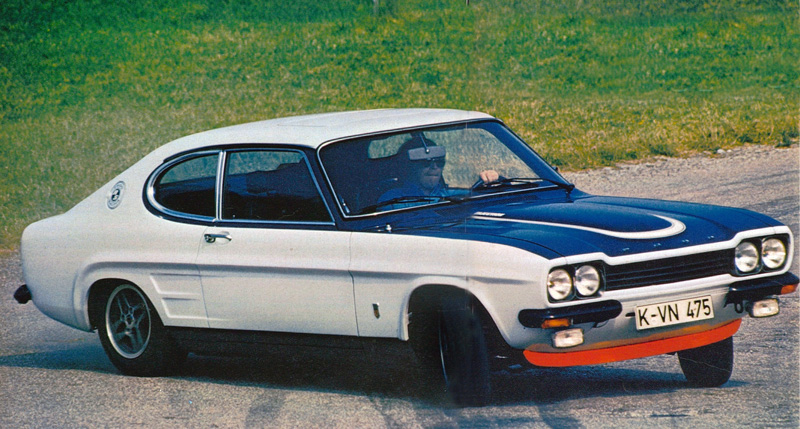
Götz Leyrer described the Ford Capri RS 2600 as a "hardship case" after his test. The car had been created as a basis for motorsport and that was obviously how it felt. The fact that it accelerated barely better than the nominally somewhat weaker Capri 3000 GXL was more surprising than the more moderate drinking habits thanks to fuel injection.
But there were many other aspects, as the test from back then shows .
1973: First G-model Porsche 911 S test
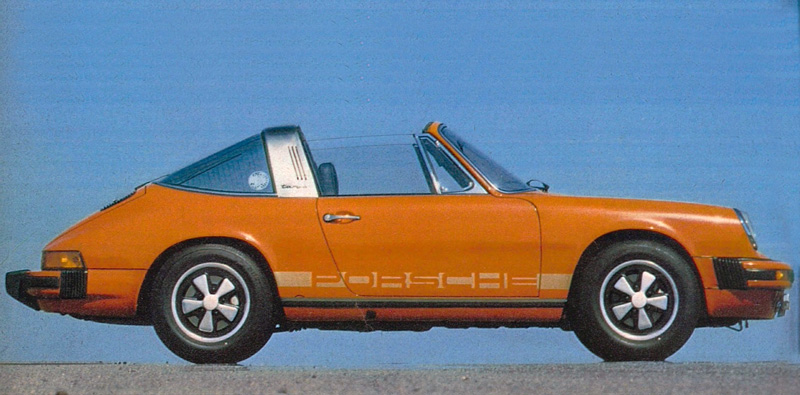
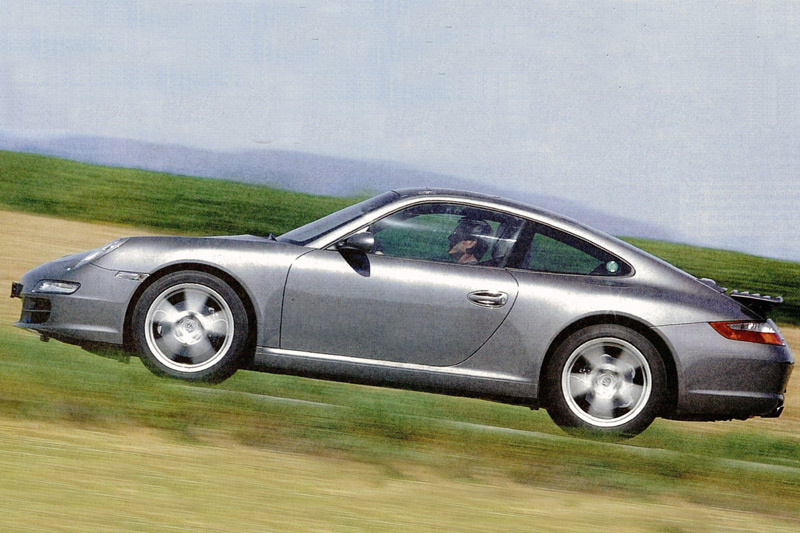
It's hard to imagine today, but a good 45 years ago, many Porsche owners converted their F-model into a G-model because it looked much more modern and had the edge in terms of safety. This was also evident in the first test of the G-model, which "auto motor und sport" published in the fall of 1973 under the title "Safety fast" (actually an MG motto). The new 911 S needed 8.5 seconds to accelerate from 0 to 100 km/h and ran at 225 km/h.
You can read more about the characteristics of the 911 S of the 1974 model year in the test of the time .
1978: Matra Simca Rancho test
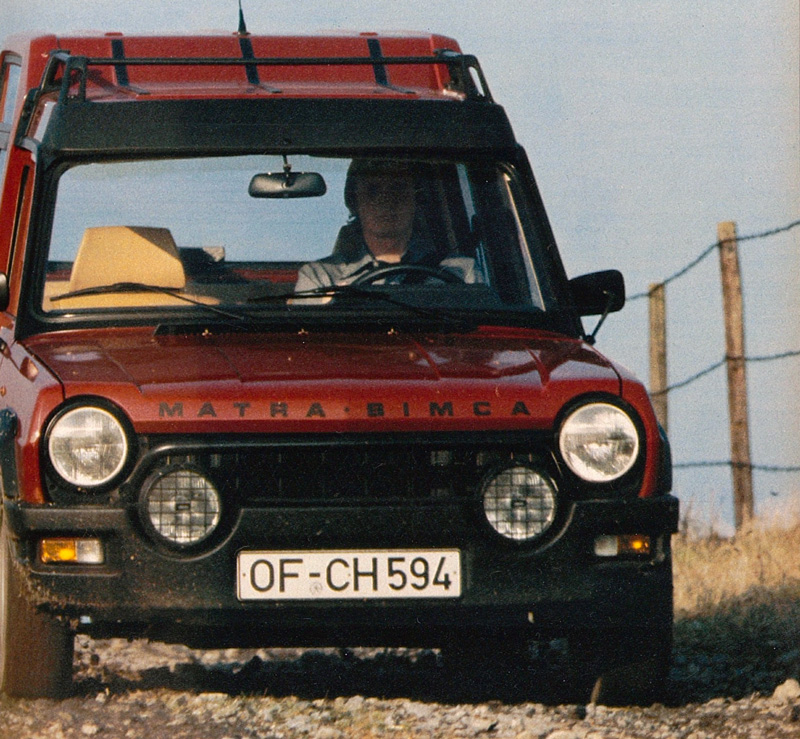
auto motor und sport" introduced the Simca-based leisure car with an off-road look as a "play model". It was in its element on paved dirt roads, it said, but it also impressed with its everyday qualities.
Of course, it wasn't a sports car, and it didn't have all-wheel drive either - you can find out more about this in the 1978 test .
1980: Porsche 928 S test
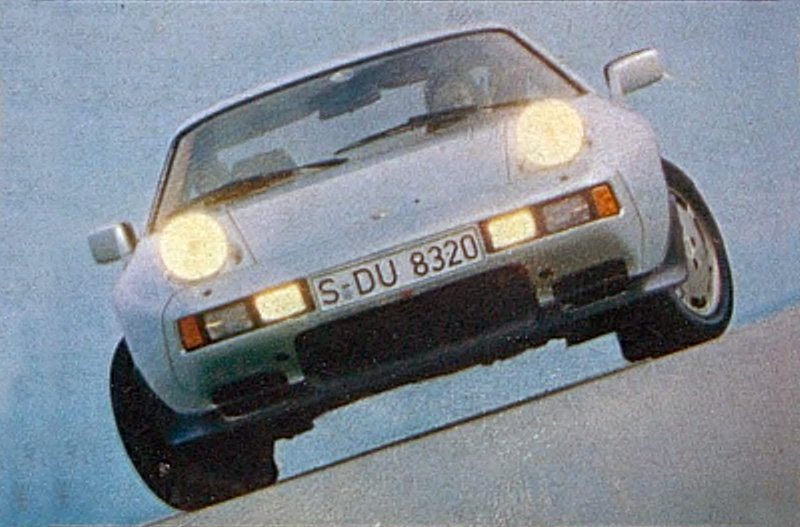
The S version of the Porsche 928 offered more displacement and power, thus enabling very good driving performance and overall safe driving characteristics. However, this did little to change the high fuel consumption, nor the unclear bodywork.
However, the test conducted by the magazine "auto motor und sport" in 1980 revealed much more ...
1986: BMW M3 test
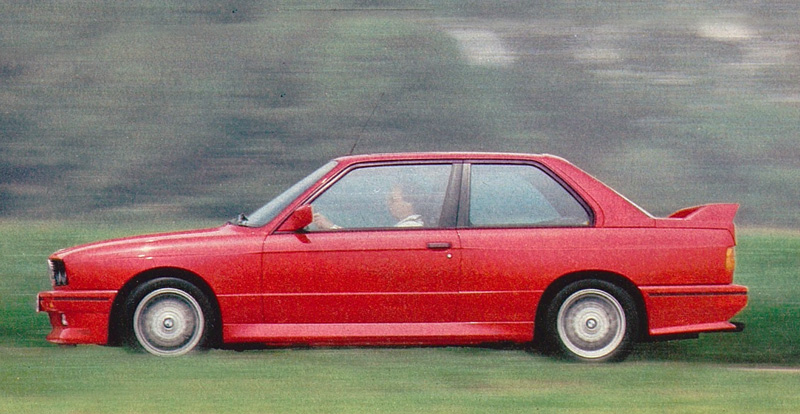
11 years after the Morgan Plus 8, the new BMW M3 E30 was tested by AMS. It needed 7.8 seconds for the standard sprint from 0 to 100 km/h, and it cost DM 58,300, which also clearly set it apart from the similarly fast 325i.
Although its abilities as a sports sedan were undisputed, it was not yet clear whether it would be enough for commercial success, as the report from 1986 shows .
1990: Mazda MX-5 test
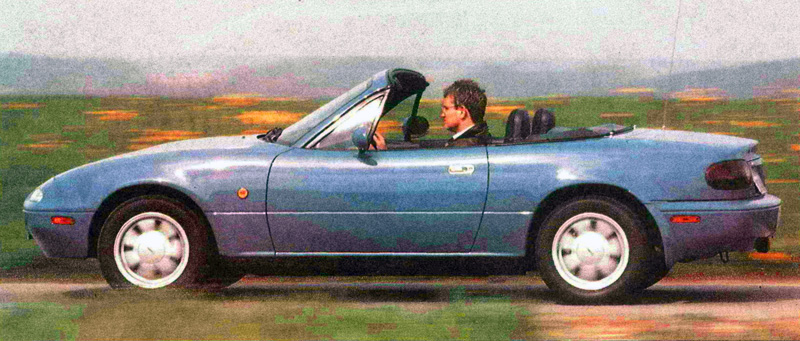
Americans were able to enjoy the MX-5 as early as 1989, and it was available to buy in Germany from 1990. And the Mazda was well received, not only because of the reminiscences of the Lotus Elan. After all, it was affordable and sporty enough.
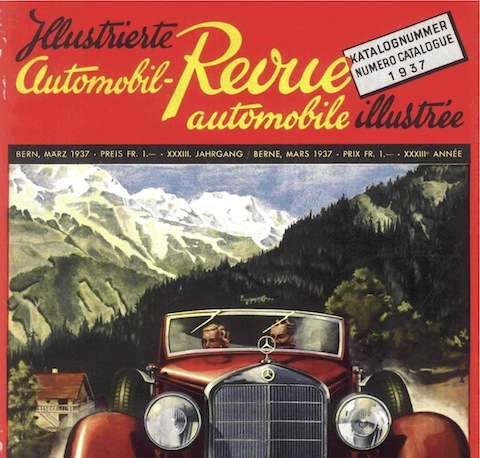
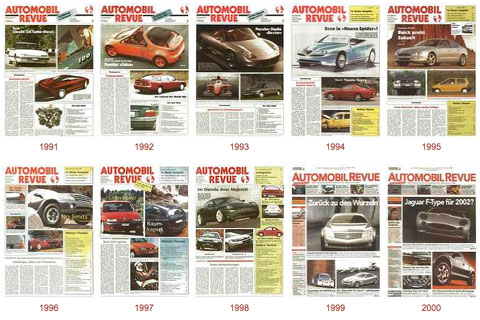
You can read how Automobil Revue rated the Mazda MX-5 in the 1990 road test .
1997: Comparison of the multi-cylinder super sports cars
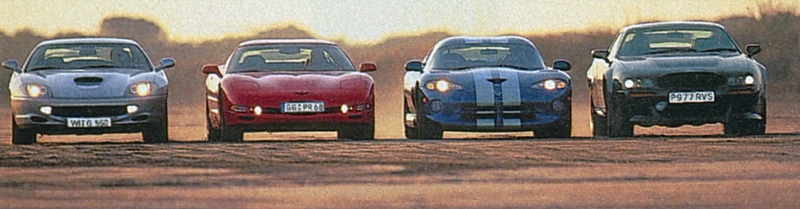
They accelerated from 0 to 100 km/h in 4.3 to 5.6 seconds and ran between 276 and 317 km/h, the super sports cars of the late nineties: Ferrari F550 Maranello, Chrysler Viper GTS, Chevrolet Corvette and Aston Martin Vantage. The cheapest of them all cost less than a fifth of the most expensive, so was it that much worse?
The answer can be found in ams' detailed comparison test from 1997.