The rise and fall of the British car empire


After the Second World War, the British car industry dominated Europe. No other country brought more brands and models to the motor shows. Around 50 smaller and larger brands vied for buyers, including AC, Alvis, Armstrong-Siddeley, Aston Martin, Austin, Austin-Healey, Bentley, Bristol, Commer, Daimler, Elva, Fairthorpe, Frazer-Nash, Gilbern, Ginetta, Healey, Hillman, Humber, Jaguar, Jensen, Jowett Javelin, Lagonda, Lanchester, Land Rover, Lotus, Marcos, MG, Morgan, Morris, Reliant, Riley, Rolls-Royce, Rover, Singer, Standard, Sunbeam, Talbot, Trident, Triumph, TVR, Unipower, Vanden Plas and Wolseley.
The healthy competition in the fifties and sixties led to innovations such as the first four-wheel drive in passenger cars (Ferguson, Jensen), the forerunner of ABS (Jensen), the Mini or the early adaptation of plastic materials for car bodies and car parts.
The many British brands operated partly independently, partly as part of larger conglomerates. They were repeatedly restructured, taken over and sold, but also liquidated. The new company structures did not always lead to better results; management mistakes, problems with the trade unions and economic crises affected the individual companies. Rolls-Royce, for example, took over Bentley as early as 1931 following financial problems.
The Rootes Group was founded in 1935 and was responsible for brands such as Hillman and Sunbeam. In 1968, this group was taken over by Chrysler, and a few years later most of its parts were sold to Peugeot.
The Nuffield organization was founded in 1938 and united Morris, MG and Riley. In 1952 Nuffield merged with the Austin Motor Company, the new company was called British Motor Corporation. In 1966, the British Motor Corporation merged with Jaguar and Pressed Steel to form British Motor Holdings.
The Standard Motor Company took over Triumph in 1944. Leyland bought Standard-Triumph in 1960. 1968 British Leyland Motor Corporation was formed by the merger of Leyland Motor Corporation and British Motor Holdings. In 1975, the British Leyland Motor Corporation was nationalized due to major problems, only to be reprivatized in 1982. A large part of BLMC was incorporated into the new company Austin Rover Group.
Today, most British brands are owned by Chinese and Indian companies, with the exception of Rolls-Royce, Bentley, Mini, Triumph and Riley, which went to German car manufacturers.
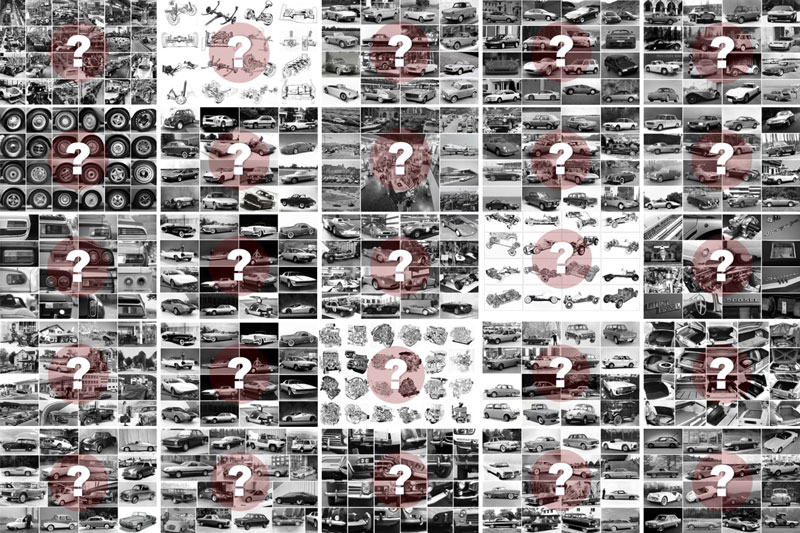
Today, it is often only historians and enthusiasts who remember once successful and progressive British car brands. Reason enough to dig deep into the archives and pull out a selection of (almost) forgotten automobiles and offer them for identification in one of the popular Zwischengas car connoisseur quizzes . Give it a try, you are guaranteed to rediscover interesting car models.
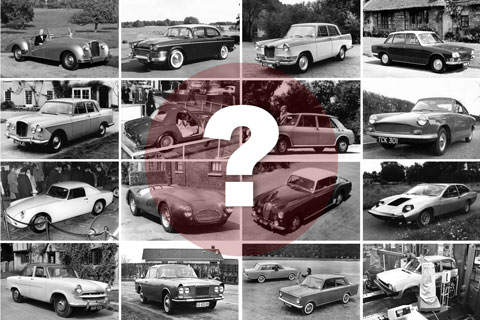
P.S. Did you recognize the car in the picture above? Then you are certainly well placed to do well in the car connoisseur quiz ...