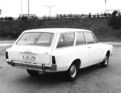
Classic car drivers usually fill up with unleaded with additive

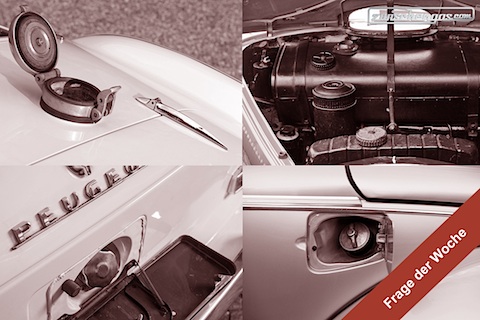
When unleaded petrol was introduced in the 1980s and leaded petrol was subsequently banned, many classic car owners feared for the longevity of their engines. Some therefore converted their engines, others trusted the manufacturers' promises that lead was unnecessary, while others supplemented the gasoline with lead additives or similar substances that could be added in the right proportions when filling up.
Today, people hardly talk about this topic anymore, they have become accustomed to the absence of lead and the addition of lead substitutes. Two thirds of all classic car owners who responded to the last Zwischengas survey protect their engines by adding the correct amount of lead substitute, 49.6% (absolute) do this every time they fill up, 17.5% (absolute) every second or third time.
Almost 30% drive without adding lead, either because the engine allows this without modifications (23%) or because they have converted their engine for this purpose or received manufacturer approval (7%).
The answers in the graphical overview:

With so many registered old cars, the production and sale of these additives should therefore be a pretty good business. The problem lies in the low mileage of classic car drivers, which will probably only reveal any damage after many years.
From lead replacement to patina, a new question of the weekhas already been asked. This time it's about whether too much patina is good for classic cars ...
And, all previous questions of the week and their evaluations can be found in a separate topic channel.