Record prices everywhere - what does art have to do with cars?

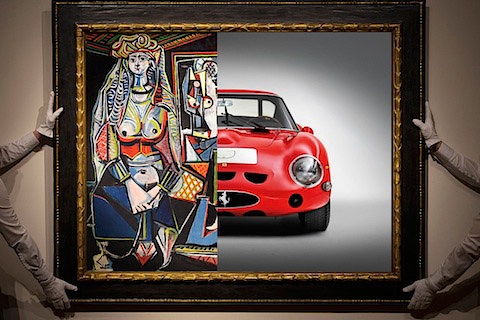
A Christies' art auction has caused quite a stir these days. The 10 most expensive works of art alone sold for almost USD 800 million. The most expensive painting called "Les Femmes d'Alger (Version 'O0" was by Pablo Picasso and was worth USD 179.4 million. This pulverized the previous world auction record (Francis Bacon "Three Studies of Lucian Freud" was knocked down for USD 142.4 million in November 2013). In total, around two billion was realized with art at auction in New York in eight days - impressive figures!

Art experts are shaking their heads. Many of the buyers at the Christie's auction in New York are said to have been relatively young collectors and newcomers. This is the only way to explain why so much was paid for a comparatively mediocre painting like the Picasso, which also exists in several versions.
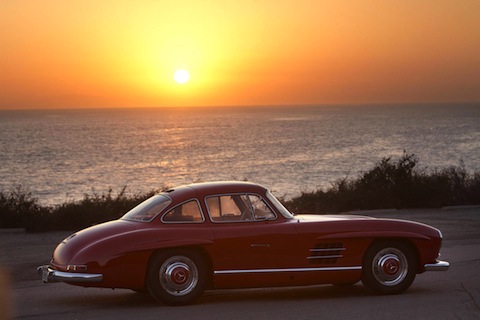
Doesn't this remind us a little of the situation in the high-price segment at classic car auctions? We certainly remember the world record of the Ferrari 250 GTO, which found a new owner at Bonhams in Quail Lodge in 2014 for USD 38 million ...

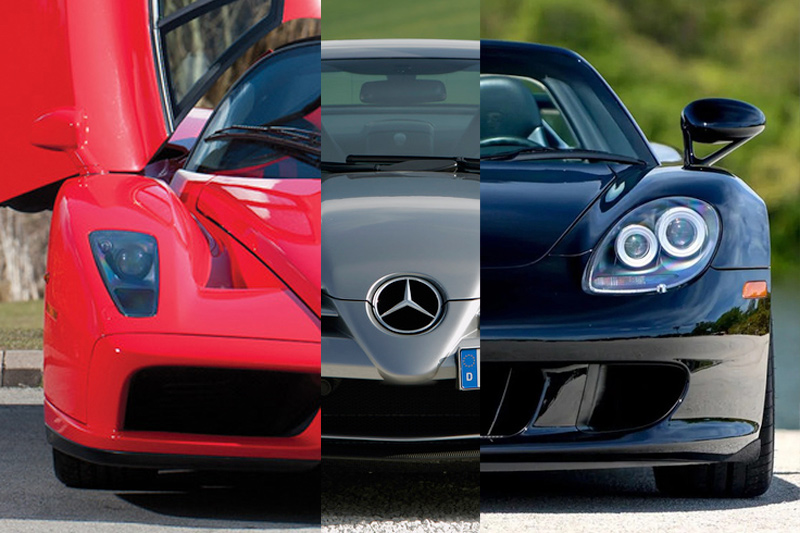
In any case, the parallels are clear. There is a lot of money that wants to be invested in the hope of an above-average return. Buyers are primarily bidding on supposedly safe stocks, preferring "blue chips", so to speak, and ignoring less popular names and products. The media are eager to get involved and help drive up prices. It is not the enthusiasts who buy the objects out of devotion and enjoyment, but investors who call a car bought at auction a "moveable asset".
However, there are also differences between the art market and the classic car market. There is almost always a single artist behind a painting or sculpture, whereas the automobile was built by groups or even entire corporate constructs. (Almost) every work of art is unique, whereas the car was often built at least in small or large series. The individual history of a painting is less relevant than that of a car, where previous owners, racing or concours participation can have a lasting effect on the value.
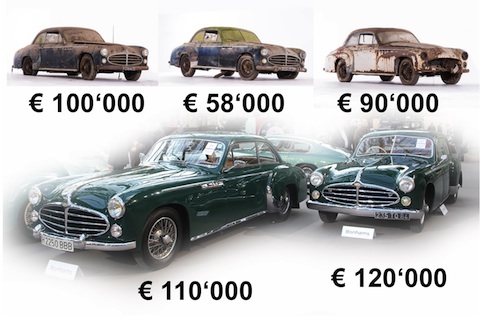
What should be the same for art and old cars, however, is the fact that in addition to the high-priced objects, there are many lesser-known and less celebrated affordable paintings and cars that are bought and cherished by enthusiasts for personal enjoyment alone. That's a good thing!