Do we need a greater sense of proportion when assessing classic cars?

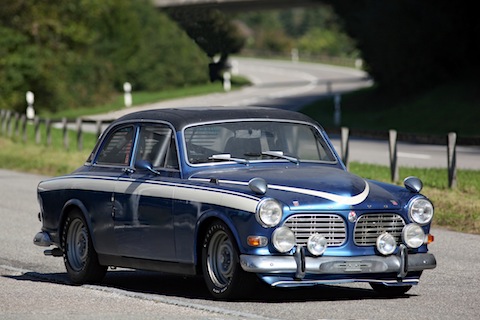
With the privileges granted to classic cars in some countries, but also with their high status as cultural assets, the originality and traceability of the history of old cars is becoming increasingly important, even essential.
Anyone who wants to import an old car into Germany at a low duty rate or obtain the coveted veteran's license in Switzerland, for example, must increasingly prove the historical accuracy of their vehicle.
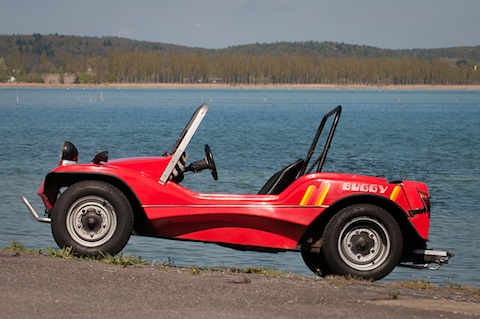
But this is not always so easy. It may be that previous owners have passed away, records have been lost or a vehicle has deviated significantly from its original condition over the decades. Interesting examples in this context are vehicles that were fitted with plastic bodies in the 1950s or later. Or the buggies? Is a buggy with the chassis of a 1964 Beetle now a 50-year-old classic car and must be measured against the original condition of the corresponding Volkswagen? What about the Lotus Elan, which was fitted with widening and spoiler attachments at the end of the 1960s? What about seventies bucket seats in the Alfa Romeo Duetto?
We recommend applying a sense of proportion when assessing old vehicles. Not only the original vehicles are worth preserving, but also their evolutions. Of course, there has to be a limit somewhere; LCD monitors have no place in a 1968 Ford Mustang if the car is to pass as a classic car, nor do modern chrome wheels with low-profile tires.
But what was possible and permitted back then and during the period of active use should still pass as a cultural asset today. And especially with the stable chassis of the thirties to sixties, the period of use was significantly longer than what is possible today, which is why many a discarded Beetle was given a second life as a buggy. And is therefore worth protecting, even if meticulous records and invoices of the conversions are missing.
The classic car associations should also campaign for a sensible and appropriate use of the term "originality", as they are supposed to ensure that the old cars can continue to roll in the future.