Patina or intolerable wear and tear?

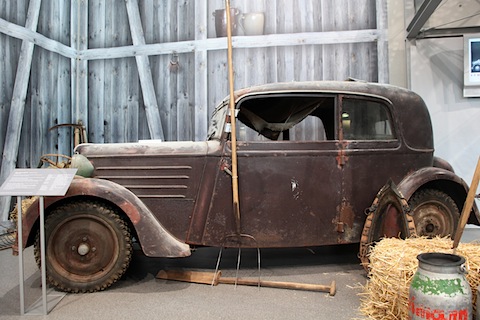
One of the crowd favorites at the OTM Fribourg, which ended yesterday, was the 1937 Georges-Irat NDU, a handsome pre-war front-wheel drive car in very original condition. Of course, it has been repaired and repainted a few times in its almost 80-year life, but the traces of the two earlier coats of paint are still visible everywhere and the car now has plenty of patina. Or has it simply been poorly maintained?

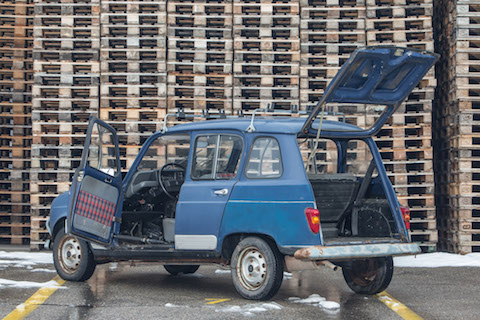
We recently took a portrait of an almost 35-year-old Renault R4 (pictured above), which shows the traces of a rich life. The seats had been repaired with tape, the body shows various traces of repairs, there are several shades of paint on a few square meters. Is this patina or simply neglect? In any case, an R4 couldn't be more authentic, because that's how they were back then, when they were still "really used".
The trend is clearly moving towards originality. "Battle scars" are no longer simply seen as minus points at concours events; there are even special prizes for vehicles that have been left particularly original and separate classes (keyword: Preservation Class). Originality only exists once, as soon as the layers of paint on the Georges-Irat have been sanded off and the original leather on the seats has been replaced, the car has lost some of its original substance. It's the same with the Renault 4: as soon as the seat covers are replaced, the car will look "better" but not "more original". And what an owner may like better today may be sadly criticized in 5 or 10 years' time.
However, the licensing authorities also have an influence on the discussion, as they repeatedly insist on "new car condition" or "minor signs of wear and tear" when it comes to granting a veteran or H license.
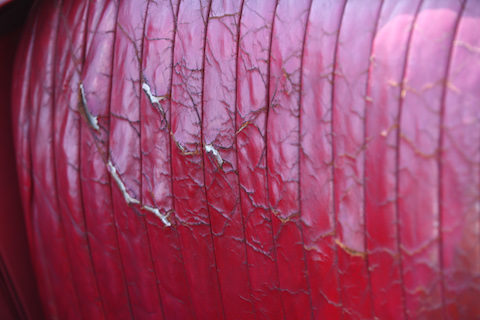
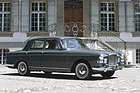
In any case, the seats of the Riley pictured here found no mercy from the strict eyes. And the paintwork is also often judged meticulously. Some original paintwork has to make way for a repaint just to get the coveted "stamp". What a shame!