Enjoying music in the car and the damage to originality

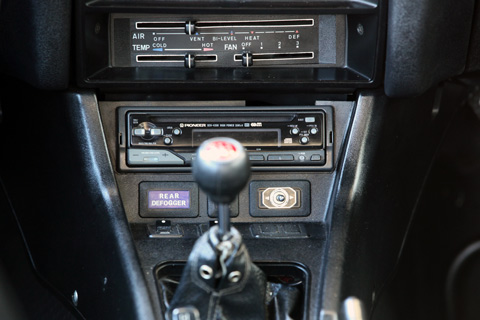
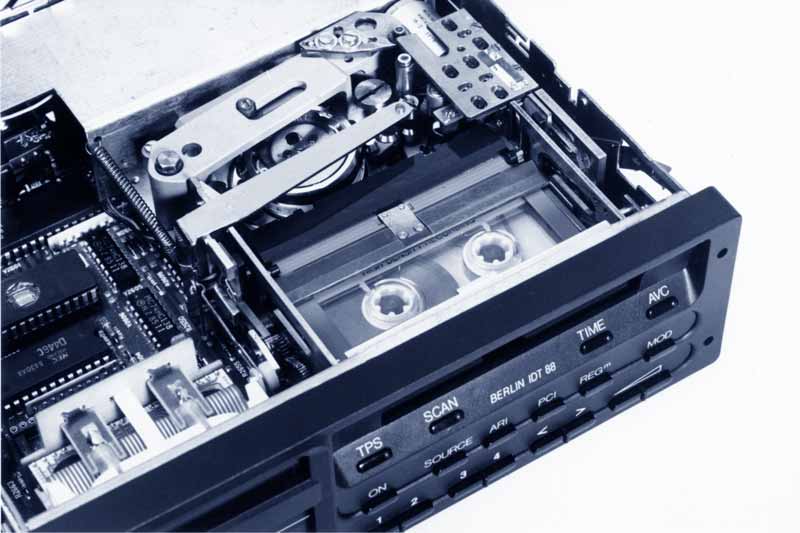
Music in the car was already becoming increasingly popular in the 1950s, and in the 1970s to 1990s there was a huge variety of suppliers promising high fidelity in the car with radios, loudspeakers, auxiliary amplifiers and later CD changers and the like.
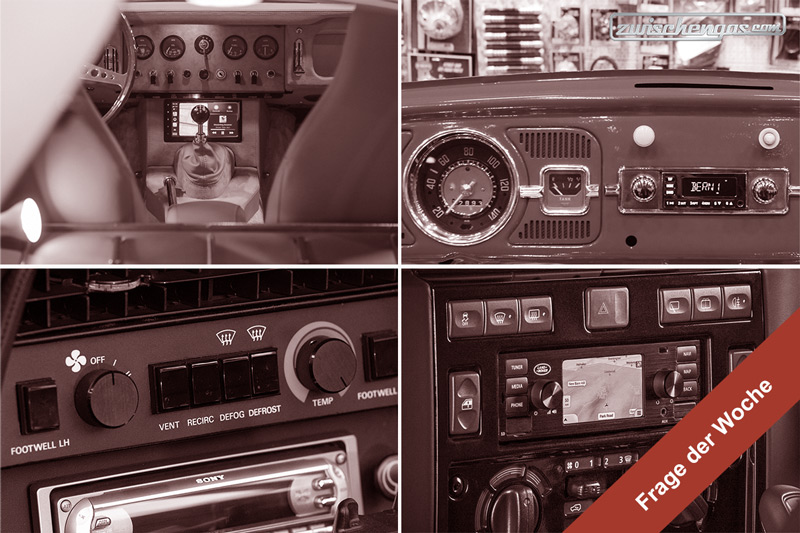
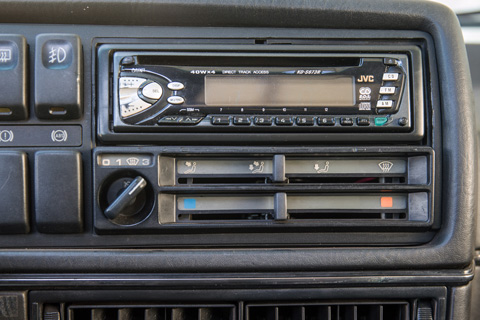
And indeed, the output power of the small devices increased, the loudspeakers improved and the sound quality benefited. No wonder, then, that many car owners did not want to do without the modern achievements of electronics and threw out the factory-fitted FM medium wave receiver and replaced it with a powerful and flashing device with many setting options.
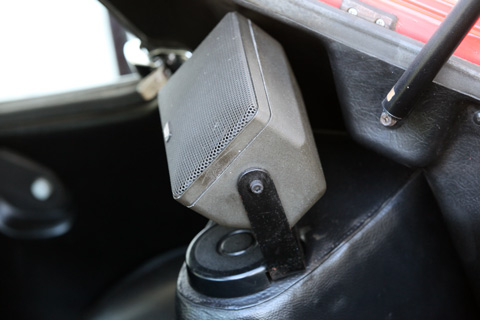
And because the sound is primarily made in the loudspeaker and you can never have enough of them, the old sound generators were also retired and replaced or supplemented with large surface-mounted and built-in loudspeakers. Some holes had to be cut in door panels or parcel shelves and some interiors had to be disfigured. But everything was done with the best possible sound quality in mind.
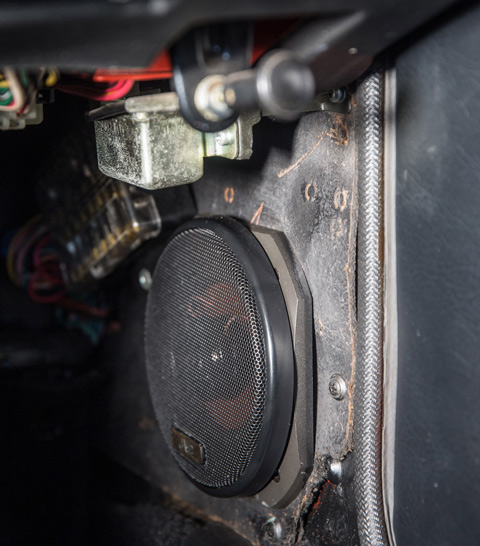
At the time, nobody thought about the car's future classic car status and the loss of originality caused by the modifications. Nor that the holes in the panels were irrevocable and that the old radio equipment could at least have been put to one side.
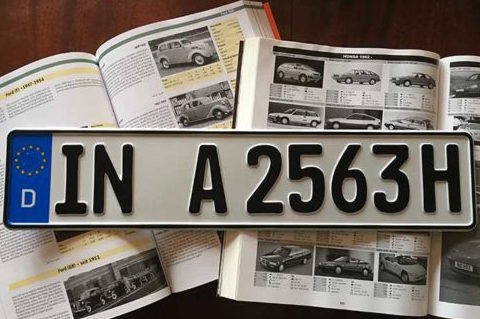
And so today, 20, 30 or 40 years later, the retrofitted stereo system suddenly becomes a problem if the old car is to receive the H-approval or the veteran's stamp, apart from the fact that the sound quality so enthusiastically perceived at the time no longer meets today's standards. Especially in the field of music reproduction, the progress made in the last 30 years is so enormous that people are happy to leave the radio muted in the old car, especially as they now enjoy listening to the quaint four- or six-cylinder sound of the engine again ...