We think back to Peter W. Schutz, without whom Porsche would (probably) look very different today

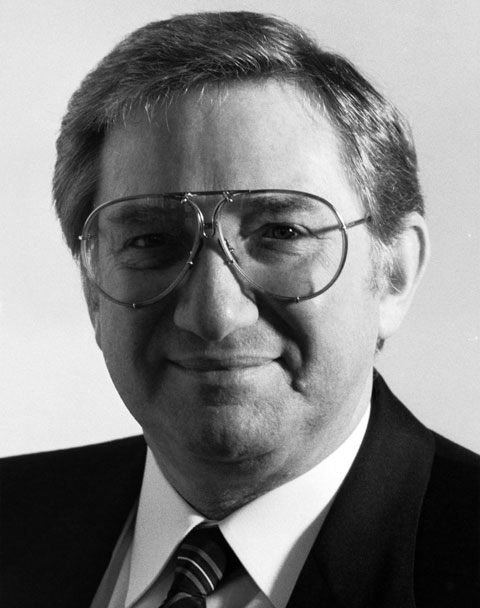
Many still remember the Chairman of the Executive Board of Porsche from 1981 to 1987, Peter W. Schutz, instantly recognizable by his glasses and haircut. He died at the age of 87. Without him, Porsche might have undergone a completely different development to the one we know.
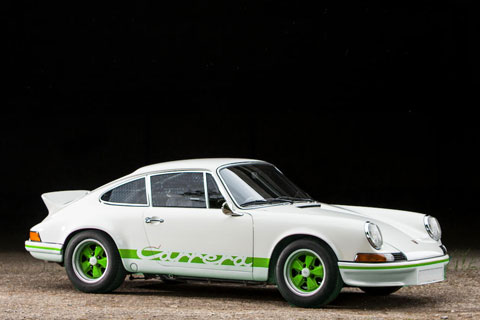
Because when Schutz took up his job, the end of the Porsche 911 model series was already a foregone conclusion. After all, there was the 928, which was already being produced as the successor to the air-cooled rear-engined sports car.
In an interview with Automobil Revue in the summer of 1981 , he could imagine a diesel engine in the Porsche engine compartment as well as a further prosperity of the combustion engine with savings of up to 40%. So he was absolutely right.
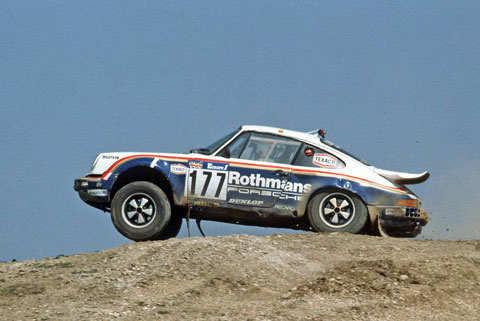
His decision not to discontinue the 911 was also absolutely right, as the last 30 years have impressively shown. It was under his aegis that the 911 Cabriolet came onto the market. He accelerated the development of the Porsche 959 and thus the renewal of the 911. He also led Porsche back into the premier class of prototype racing in order to boost sales of his products. And here, too, he succeeded in doing what his predecessor had ultimately failed to do. Porsche's sales quadrupled under his leadership.
However, the sports car fan did not succeed in everything. When sales in the USA fell sharply in the second half of the 1980s, he had to step down in 1987. In 1981, he had said that he could well imagine retiring from Porsche. However, this would not have been the case until around 1996.
When asked whether he could imagine Porsche offering saloons one day, Peter W. Schutz said in 1981: "To this day, there are no plans to offer anything other than a sports car. Of course, I don't know what the world will look like in 20 years' time. Our current facilities and capacities are designed exclusively for the current model range." As early as 1981, he did not rule out the construction of non-sports cars, which, as we know, make up the majority of Porsche production today. He was simply a sales-oriented man.