What drivers had to endure in the past


Modern cars are, let's admit it, almost perfect. (Almost) nothing is left to chance, decades of experience ensure largely optimal ergonomics and operability as well as the comfort that is expected today.
In the past, things were different. And we're not talking about manufacturing problems, but design flaws! Care for a few tidbits?
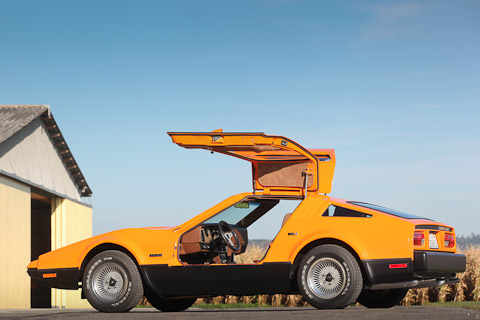
In the Bricklin SV-1, the fading light button in the footwell was positioned so that it was behind/under (!) the clutch pedal in the manually shifted model.
Lamborghini models required almost inhumanly trained calf muscles to operate the clutch.
Many cars with carburetors suffered from the phenomenon of "carburetor icing", suddenly stalling or being difficult to start. Rain bars came loose (e.g. on the VW Passat) when driving through the car wash.
Water pumps broke (e.g. Opel) after just a few thousand kilometers.
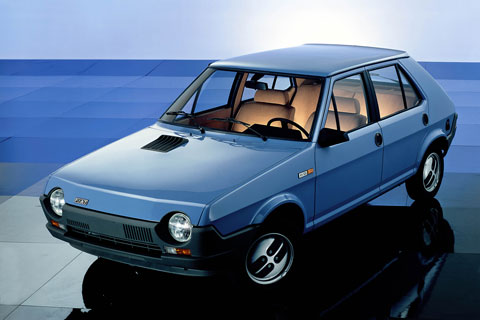
Glove compartments (e.g. in the Fiat Ritmo) constantly opened by themselves while driving.
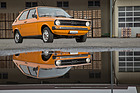
Wheels could no longer be removed without assistance (e.g. on the Audi 50 (picture above) and the VW Polo) because they rusted after a short time.
The list could be extended indefinitely and explains why many a new car buyer at the time felt almost like a test driver for the car industry.