When the spare wheel was still on show


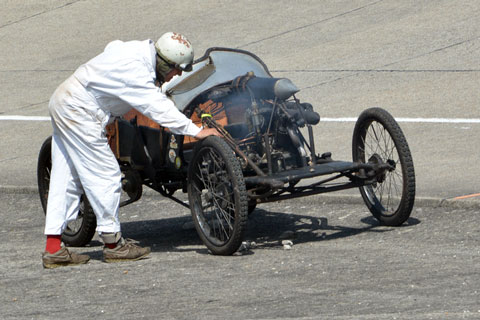
In the early days of the automobile, there were no spare wheels. Back then, a broken spoke was more likely than a flat tire anyway, as there was no air in the tire - it was solid rubber. As the demand for comfort increased, inflated tires came into fashion and with them a new cause of punctures. At first, however, this was usually solved by patching the inner tube (like on a bicycle).
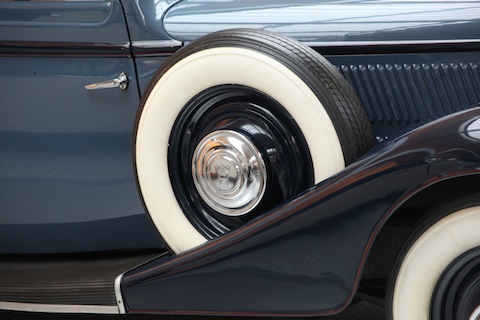
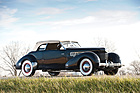
However, because these punctures became more frequent as speeds increased, the concept of the spare tire was invented. This, which could be two, was usually mounted on the side of the car or optionally at the rear, as not every car had a trunk at that time - we are talking about the 1920s and 1930s.
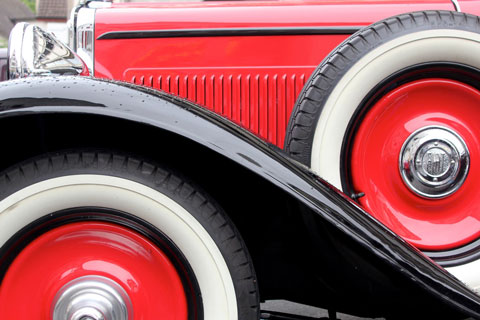
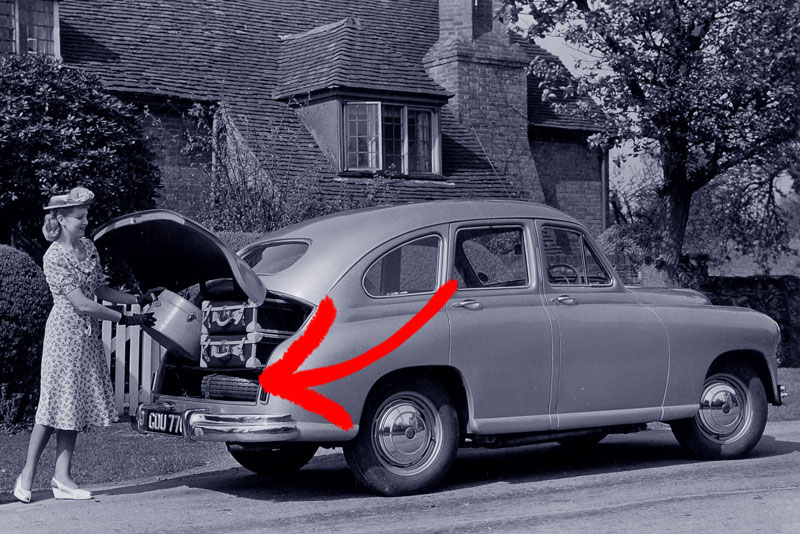
In the post-war period, the spare wheels increasingly disappeared into the trunk or even the engine compartment, as showing the spare wheel was no longer considered chic. It also got dirty if it wasn't stowed away safely.
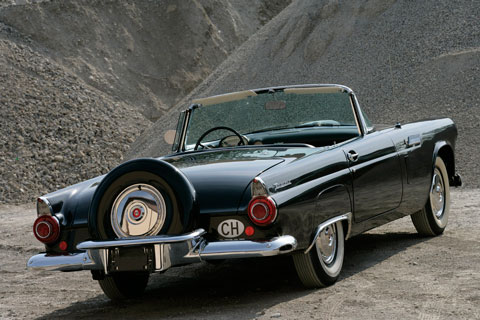
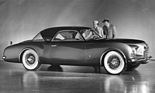
However, the usually bulky spare wheels took up a lot of space in the trunk, which is why the "Continental Touring Kit" was invented. As with the Ford Thunderbird , the spare wheel was simply mounted at the rear. However, this fashion disappeared at the latest when people began to realize how important aerodynamics were for fuel consumption and driving performance. In the sixties, there were hardly any externally mounted spare wheels.
But one manufacturer (optionally) still screwed a spare wheel onto the trunk in the early seventies: Rover. Unfortunately, the Rover P6 (pictured above) had very little storage space, which was due to its design (DeDion rear axle, tank behind the rear seat for safety reasons). So Rover offered the "Continental Touring Kit" and the spare wheel was screwed onto the stiffened trunk lid. To prevent it from getting dirty, the spare wheel was wrapped in a tasteful cover, which of course bore the Rover logo. If the wheel had to be carried in the trunk, a Rover badge was screwed onto the attachment. The disadvantages of the bolt-on wheel were limited visibility to the rear and, of course, significantly poorer aerodynamics. On the other hand, the rear-mounted spare wheel is a distinctive feature of the car today.
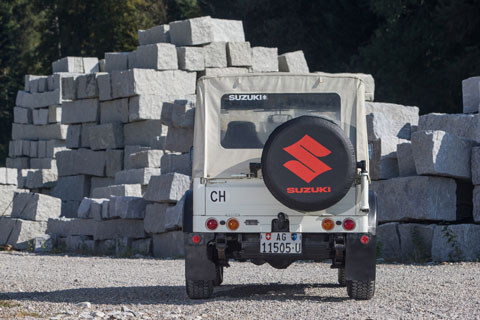
However, Rover was not the last car brand to mount spare wheels on the outside. This was and still is common practice for off-road vehicles right up to modern times. With these rustic cars, aerodynamic arguments (as with the Suzuki LJ 80) are hardly an issue.