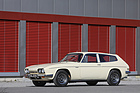
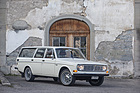
When the instruments were still placed ...

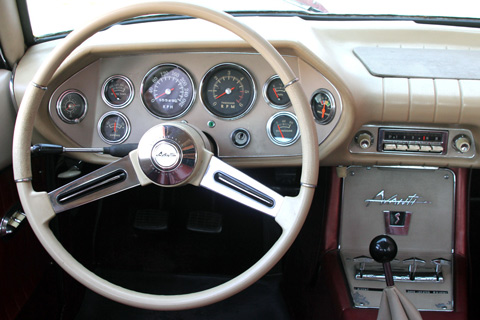
Recently, when we were writing a report on the Fiat 128 3P , we stumbled across the following sentence printed on page 39 of Auto Motor und Sport issue 1/1976: "The dashboard with the large round instruments in the center and the smaller control instruments for water temperature and fuel level placed laterally underneath remained practically unchanged."
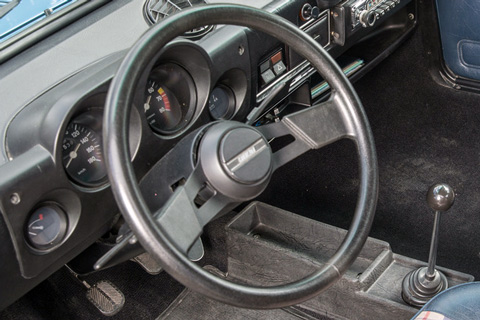
Those were the days when designers and engineers could arrange the displays on the dashboard according to taste and preference. Today, the information usually has to be accommodated on an LCD screen or at least in slots provided for integrated display boards.
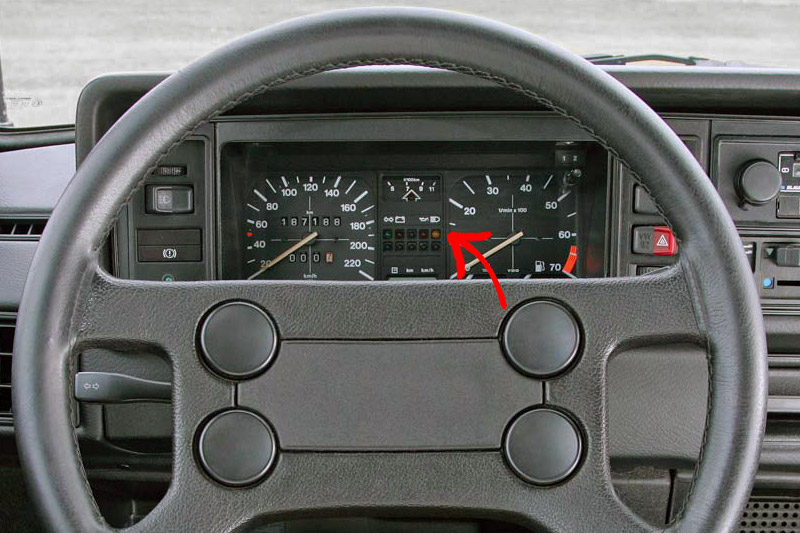
In the past, however, (almost) every clock, every instrument, every display was independent, had its own power supply, lighting and, of course, a specific transmitter, unless it was the clock that controlled itself, so to speak, with the exception of the instrument clusters installed by Daimler-Benz, for example, but we will write about those another time.

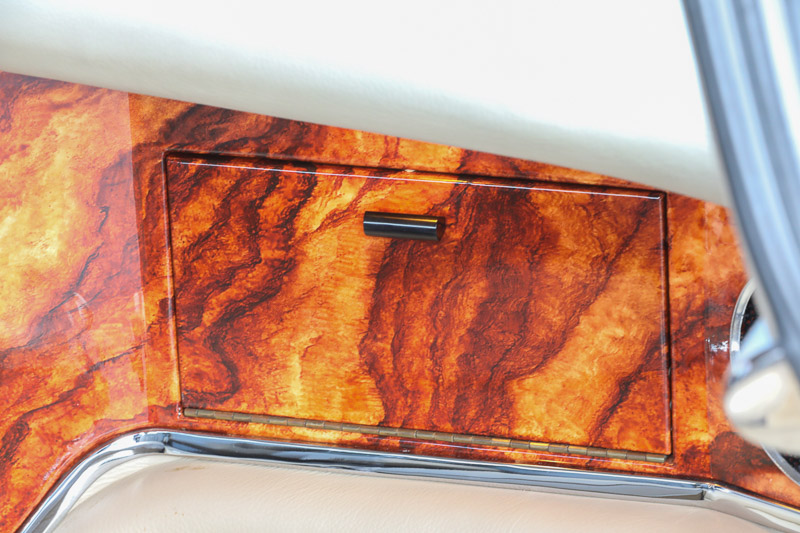
Because the instruments were (mostly) independent of each other, they could be installed wherever you wanted. This meant that a speedometer could be placed in front of the front passenger, and additional instruments could be installed in the center console, the door or even under the roof lining.

Was this always practical and ergonomic in all cases? Hardly, but it was versatile and always surprising. And you could also repair the clocks individually ...
P.S. We noticed the word "placieren" twice, of course, because the spelling of this word has been thoroughly ruined by one spelling reform or another.