Nissan makes steam

By the mid-seventies, Nissan/ Datsun had reached a respectable sizewith 1.5 million cars produced per year. The constantly increasing requirements set by environmental laws and more demanding customers (almost 50% export) motivated the Japanese car company to research in various directions.
Among other things, a steam-powered Nissan Cedric was developed, which had a low-emission drive with high torque.

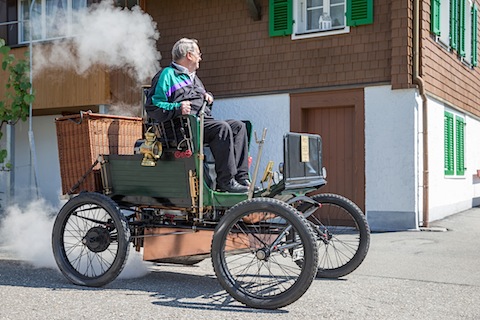
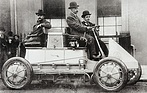
Steam cars were particularly popular at the beginning of the 20th century, as they offered comparatively high power and torque with quiet running. The Stanley Steamer vehicles were particularly popular at the time.
The technology was then largely forgotten, and in the 1960s American developers tried to enter a steam-powered racing car in the Indy 500. But they ran out of money too soon.
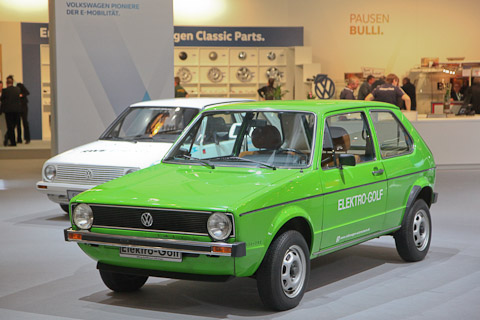
In 1969, GM showed two steam research vehicles and Saab and Volkswagen also experimented with steam propulsion.
However, all of these experimental vehicles found just as little practical use as the steam-powered Nissan Cedric. And thus went the same way to museums or to the wrecking yard as an electric Laurel, with which Nissan experimented in 1974.

Work on the stratified charging engine was not crowned with success either.

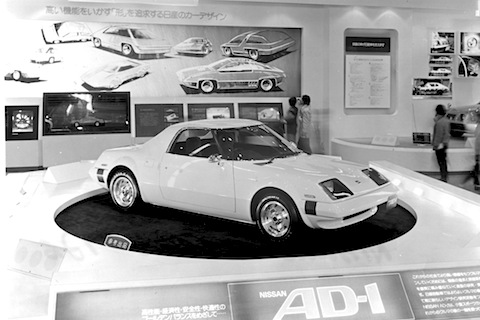
Nissan was always happy to show its research vehicles at motor shows, such as the AD-1 (pictured above), which was intended to test new safety concepts for small cars.
A detailed article on Nissan's future projects 40 years ago can be found in our magazine archive.