Techno Classica under power

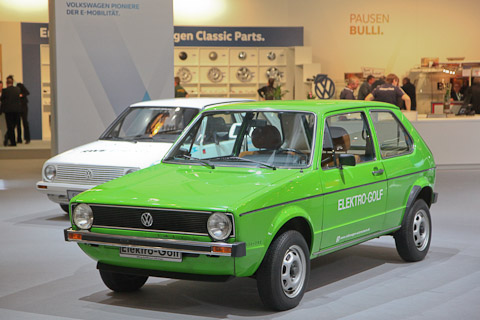
In the new car segment, the electric car is still where everyone is heading, so it was only natural that Volkswagen should present its expertise in this area in a small special show. And after all, there is a lot to show, with three exhibits presenting the pioneering achievements and progress made.
All green is the electric Golf 1 from 1976, which actually looks pretty standard from the outside.

Even the interior hardly seems to have changed, apart from the additional instruments in the middle of the dashboard, which look more like those of an electric wholesaler.
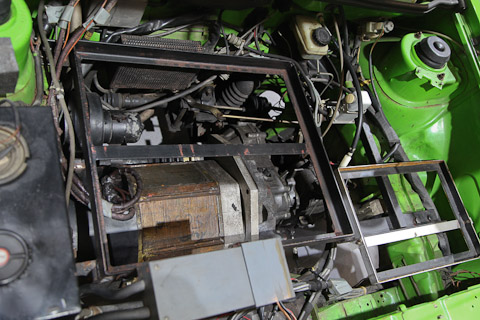
The engine compartment housed the huge electric motor, which only produced 27 hp, and the power electronics, which are missing today. It was still good enough for a top speed of 80 km/h
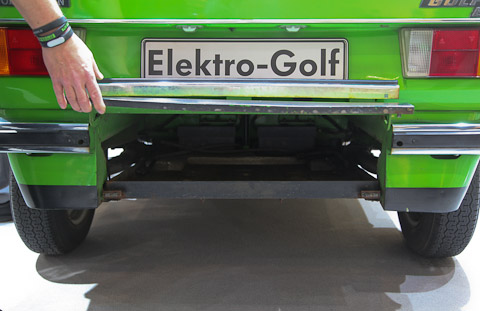
And the batteries? They were stored in a practical drawer in the rear under the trunk. There wasn't room for too many lead-acid batteries, however, and the range of the one-off vehicle was only 50 km. Today, a VW Passat GTE Hybrid, in which the electrics are actually only responsible for the auxiliary drive, can do that. As the batteries are missing in the Golf on display, it stands quite high up at the back. And because it wasn't looked after very much, the early Golf, like its contemporaries, rusts a little, e.g. on the door folds. That only makes it even more likeable.
The Golf II City-Stromer went into series production, albeit a small one, in the mid-1980s. 70 of them were built. Its engine already produced 31 hp and the power electronics came from ABB.
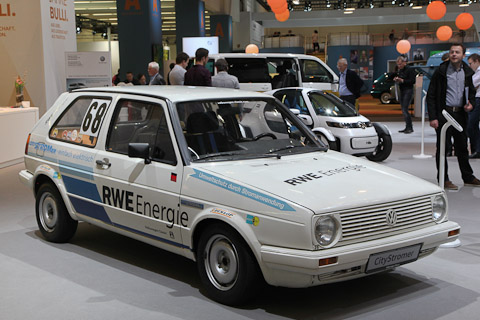
The batteries of the vehicle, which was suitable for everyday use, had a range of 60 km. One of these Golfs even made it into racing, where it caused a sensation in races against the electric competition of the time. Racing driver Hagen Arlt had used classic race tuning tricks (e.g. plastic parts, chassis optimizations, etc.) to ensure that his Golf was always well ahead.
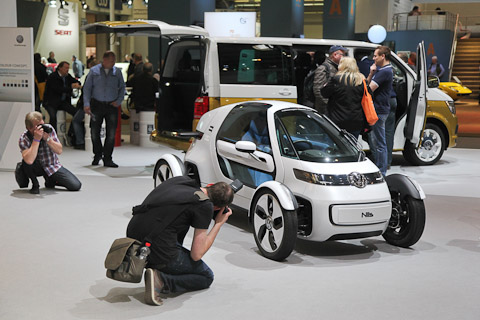
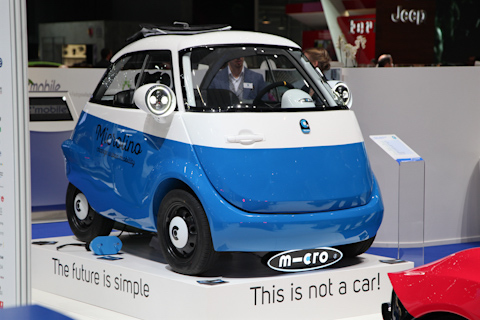
The last electric representative - the first electric VW, a Transporter from 1972, was unfortunately not brought along, nor were many of the other older and newer one-offs and small series vehicles - was the VW Nils, a kind of cabin scooter with electric drive, which aroused hardly less interest than its older counterparts. Incidentally, the small brochure that Volkswagen has produced for the small special exhibition is well worth reading.
But that is by no means all you can learn and admire about electric mobility at Techno Classica. A special exhibition in the entrance area shows the Detroit Electric from 1915 and explains the beginnings of the electric motor in cars.
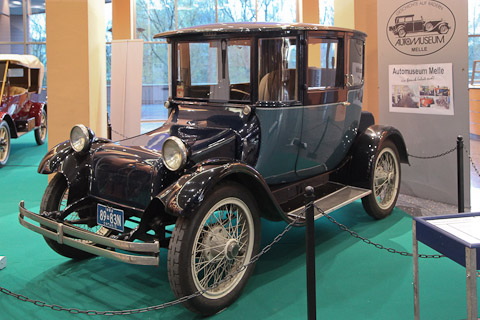
In the early days of the automobile, this form of propulsion was a tough competitor to petrol or steam engines and was particularly impressive due to its ease of maintenance and operation. It was not for nothing that even Henry Ford's wife owned a Detroit Electric.
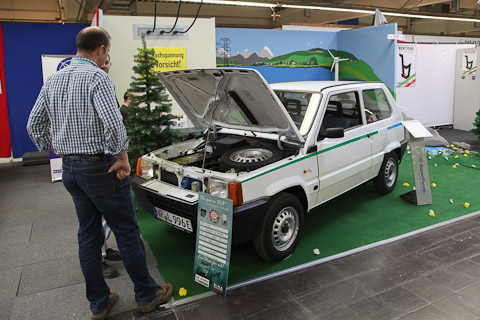
Still not finished, there are also electric cars to be discovered in the clubs, for example in the form of the Fiat Panda Elettra from 1991, which was also built in series.
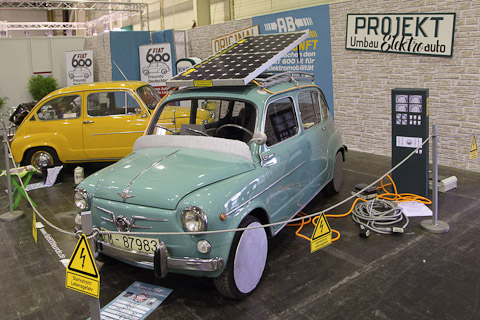
The most original contribution to the theme of electric cars, however, is a Seat 800 from 1965, which is being presented with an electric retrofit kit that turns it into a solar-powered electric car.
Techno Classica is still open until Sunday, April 9, 2017. In addition to the electric cars, there are of course a few thousand gasoline-powered and a few diesel-powered ...