Electrification of classic cars - blessing or doom?

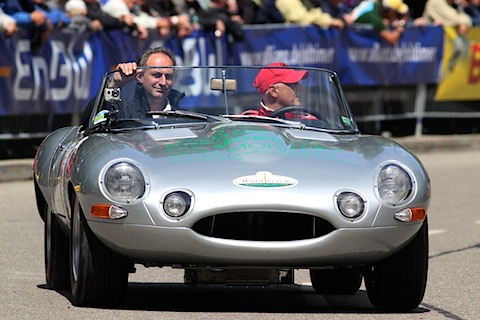
Electromobility is "in" and contemporary, car manufacturers are investing millions in electric vehicles, which are only hesitantly being accepted on the market. Governments are subsidizing this technology, which is environmentally friendly from most points of view. So it's natural to wonder whether classic cars should also benefit from this development. Or rather, should the popular "classic car" not also be used to promote electric mobility?
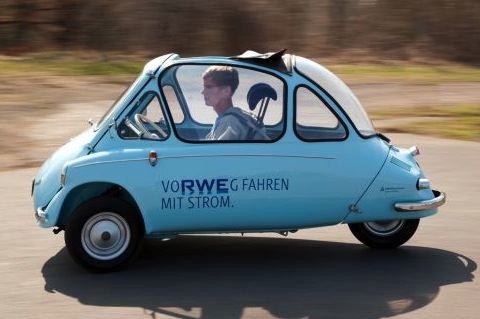
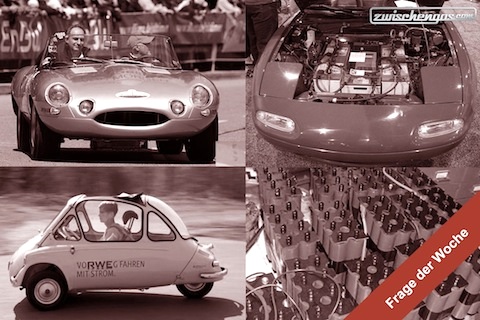
Windreich has converted an E-Type to an electric motor, RWE a Heinkel. Is this the right thing to do and does it make sense? A "real" classic car also includes the smell and the rattling (in the case of the Heinkel Kabinenroller) or the purring (in the case of the E-Type). These converted vehicles are no longer real classic cars.
It goes without saying that cabin scooters are particularly suitable for conversion, as they are small and light and therefore offer little driving resistance to the electric motor.
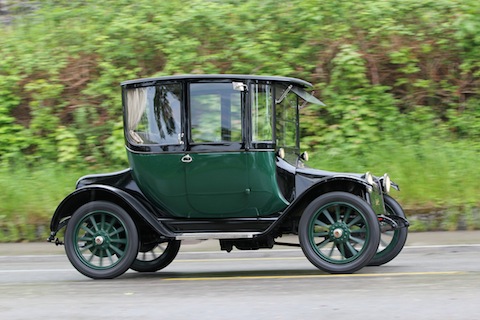
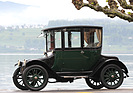
Incidentally, in the early days of the automobile, there were practically equal numbers of petrol, steam and electric vehicles, and the latter were ahead of the others in terms of ease of use and suitability for everyday use. Even in the 1920s, a Detroit Electric could travel over 100 km at a speed of over 40 km/h. It was only when cars with petrol engines became faster and faster that the electric drive was no longer able to keep up.
So if you want to invest in a classic car with an electric motor today, it would be better to restore one of these early vehicles and show it to the public instead of taking the engine away from a venerable, greying petrol veteran and retrofitting it with a modern engine. As an alternative, one could also install a two-cylinder gasoline turbo engine or a small turbo diesel in the E-Type to show the savings potential of modern technology.
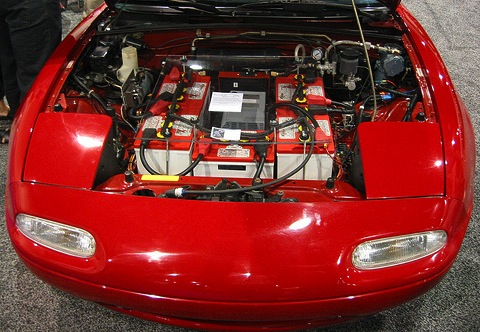
We dread a future in which classic cars are just shells of the past in which modern technology works to enable the most legally compliant and comfortable drive possible.
This is of course our opinion, but what do our readers think? To find out, this week we are asking the question: "Should classic cars be converted to electric drive? "