The upswing and downswing of the six-cylinder engine

Anyone who could afford a car with a six-cylinder engine in the sixties and seventies had made it. The majority of cars at the time were equipped with four-cylinder engines and two more cylinders were considered a status symbol.
However, from the 1980s at the latest, more and more car buyers could afford a (small) six-cylinder engine, and BMW and Mercedes-Benz cars with more than four cylinders often sold better than the entry-level models.
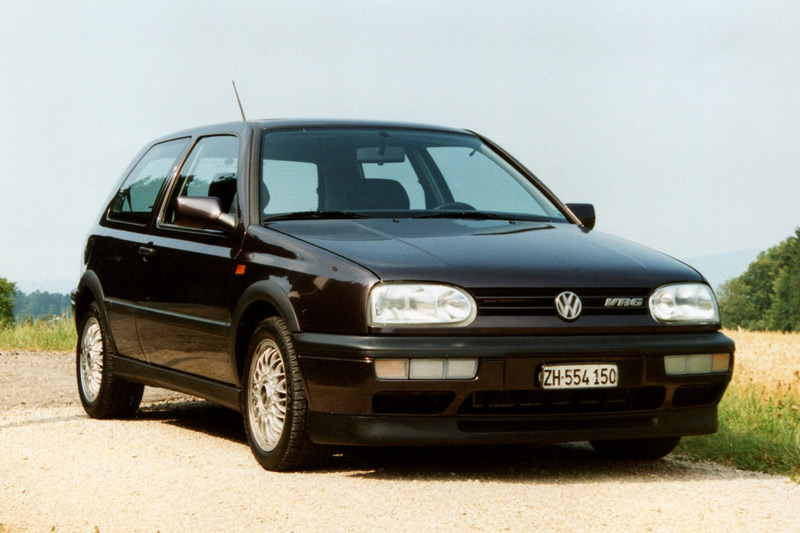
In 1991, Volkswagen finally democratized the six-cylinder engine and installed it in the Golf - the result was the VR6. Other car manufacturers also opted for compact cars with six-cylinder engines and for around two decades, cars with six engines were popular and in demand.
In the meantime, however, the mood has changed, influenced by emissions standards that are becoming increasingly difficult to meet. Six-cylinder engines are "out"; the current Mercedes-Benz C-Class, for example, does not even have more than four cylinders as the top-of-the-range AMG model, and other manufacturers are moving in the same direction. Thanks to turbochargers and optimized combustion, today's small four-cylinder engines are many times more powerful than the six-cylinder engines of the 1990s, are also economical on paper and easier to place in the engine compartment.
But hand on heart: there's really nothing like a good six-cylinder engine. Even today, I still find the power delivery and background noise more convincing than the turbocharged four-cylinder engines, and six-cylinder vehicles simply seem more grown-up and luxurious than their four-pot successors. But maybe it's just me. And it certainly has something to do with the fact that the majority of vehicles in my somewhat longer car career have been powered by six-cylinder engines (in in-line, V and boxer configurations). The Golf VR6 pictured in the color "Dusty Mauve" was one of them.