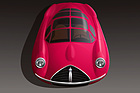
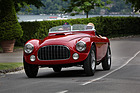
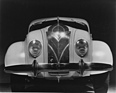
Six is better than four


What is not necessarily true for the wheels of a car certainly applies to headlights. As soon as we talk about the famous "overtaking prestige", the impressive appearance of a car in the rear-view mirror of the vehicle in front, nothing works without additional lights on the front of the vehicle. Most manufacturers were content with twin headlights, i.e. one pair per side. From the late fifties onwards, double headlights were a must in the left-hand lane. But why stop at four lamps? Wouldn't six be even more impressive, even more threatening?
But while comparatively many, predominantly US-American cars had six lights at the rear end, they limited themselves to four at the front. Even when double lighting was democratized in the mid-sixties, nobody followed suit. Almost nobody. In the spring of 1970, the Citroën SM ( pictured above) appeared and became the Kerberos of the highway with its three pairs of eyes. The Alpine A310 followed a year later .
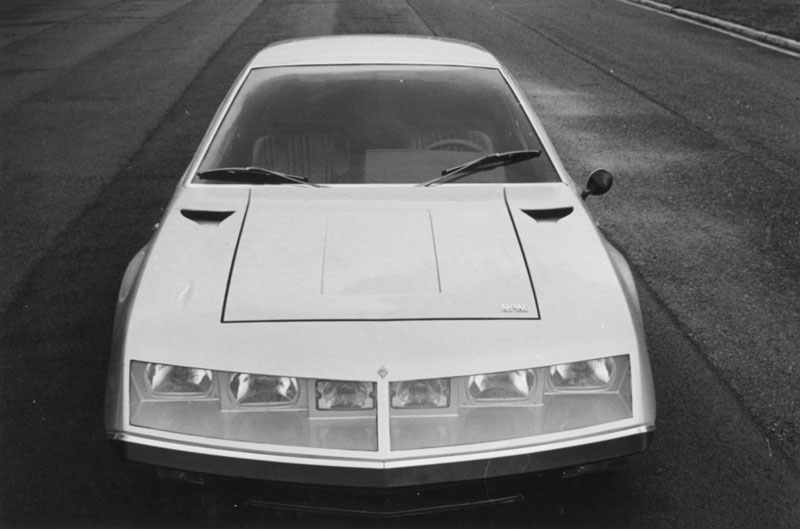
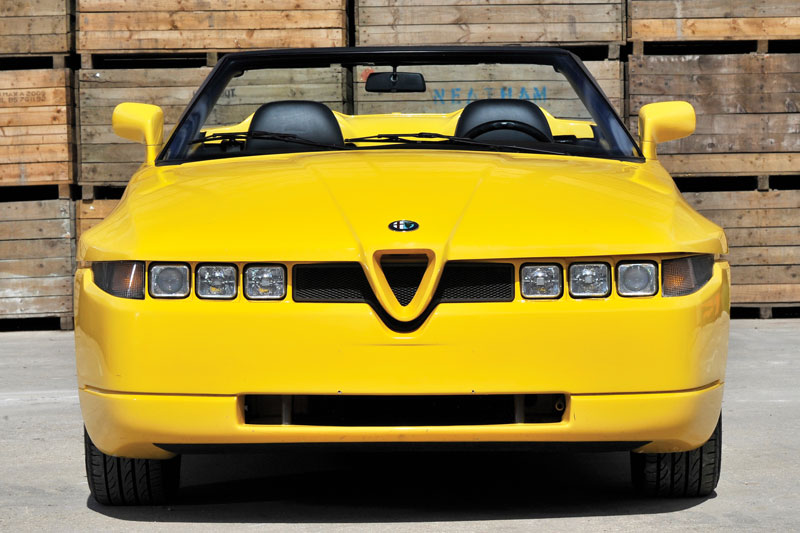
Otherwise, however, the fast drivers of this world did not seem to make their purchase decision dependent on the number of headlights. The Alfa Romeo RZ/SZ was also more a case for individualists.
The German Citroën tuner Musketier offered a conversion kit for the XM in the early nineties, which turned the two low rectangular headlights into six circular spotlights and was thus somewhat reminiscent of old SM glory.

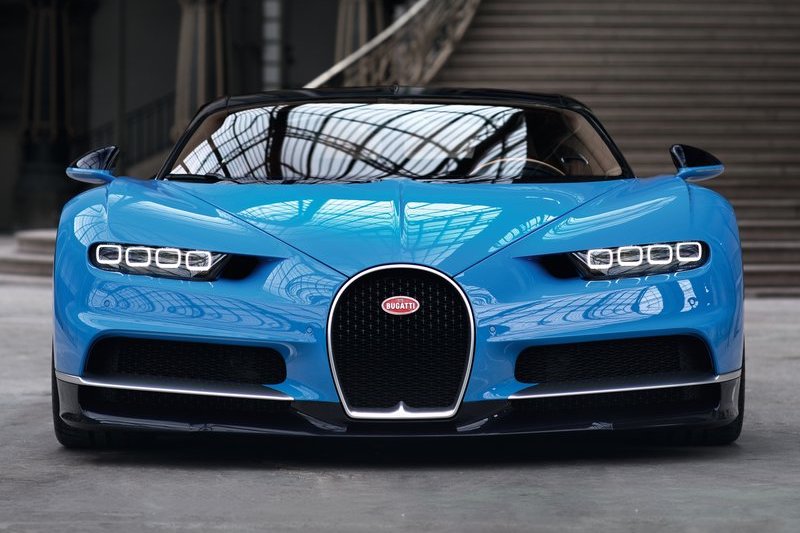
After the Brera and Spider, the Alfa Romeo 159 was the last six-eyed face to leave the market in 2011. It almost seems as if only the French still measure the value of a car by the extent of its front lighting. As one of the fastest production cars in the world, the Bugatti Chiron has eight headlights.