Worse and more expensive - On the relationship between rarity and price

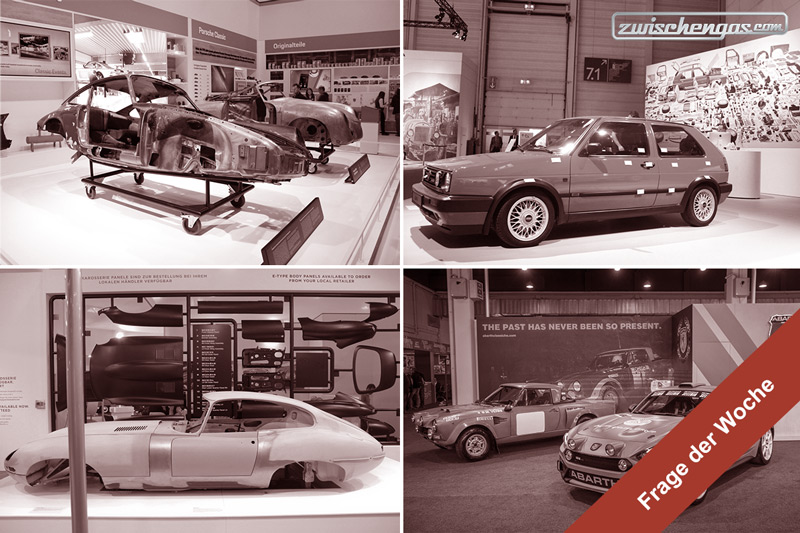
Do you have long legs? Then I have bad news for you: you will hardly be able to drive an early Jaguar E-Type. Nevertheless, cat lovers pay a considerable premium for the uncomfortable "flat floor" models. After all, only 500 were built before Coventry decided to lower the floor panels for a little more freedom of movement. The situation is similar with the "oil flap model" of the Porsche 911, which can do nothing better than the 911s, which get their lubricant in the engine compartment. Rarity drives up the price, even without added value.
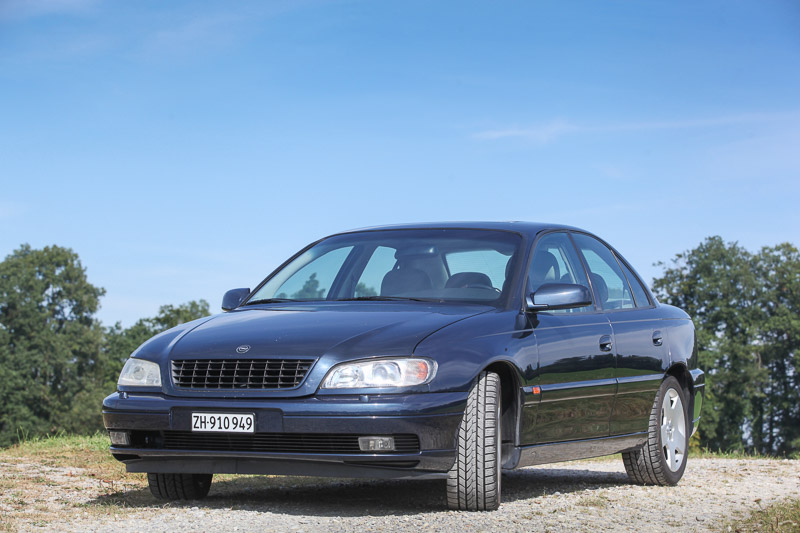
This raises the question: why does an Opel Omega B from 2000 still cost just as much as its older and younger siblings? After all, only this model year offers the new, streamlined facelift body in combination with the old 2.5 and three-liter six-cylinder engines, which were only replaced by the 2.6 and 3.2-liter versions in 2001. Only here do better rust protection and lower fuel consumption combine to create a "rare transitional model". Only here do you still get cracked exhaust manifolds as well as sticky soft paint and an unnecessarily fragile ashtray in the interior for the full Omega B feeling.
As it can't be long before speculators become aware of this youngtimer rarity and prices climb into six figures, I quickly secured a well-kept transitional Omega with a three-liter V6 - in its original paint, of course, fully documented and with matching numbers. See you next year at Pebble Beach!