Why classics are getting younger and younger

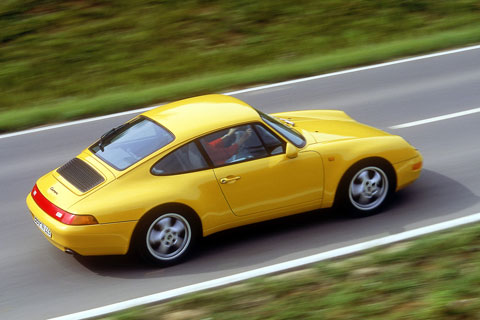
A few years ago, a car had to be at least 30, but preferably 40 or 50 years old before it was a real classic. With the increasing popularity of youngtimers, i.e. vehicles between 20 and 30 years old, people got used to the idea that a classic car can also be a little younger.
A good example is the Porsche 993, which is now between 21 and 26 years old, but definitely feels like a classic car. You can still (mostly) shift gears by hand, the electronics barely intervene and the steering is still assisted by a gentle servo pump. Even the background noise from the rear is - thanks to air cooling - just as it used to be.
But even the successor 996 still fulfills almost all the criteria that are expected of a classic car today. And the latest models are less than 20 years old.
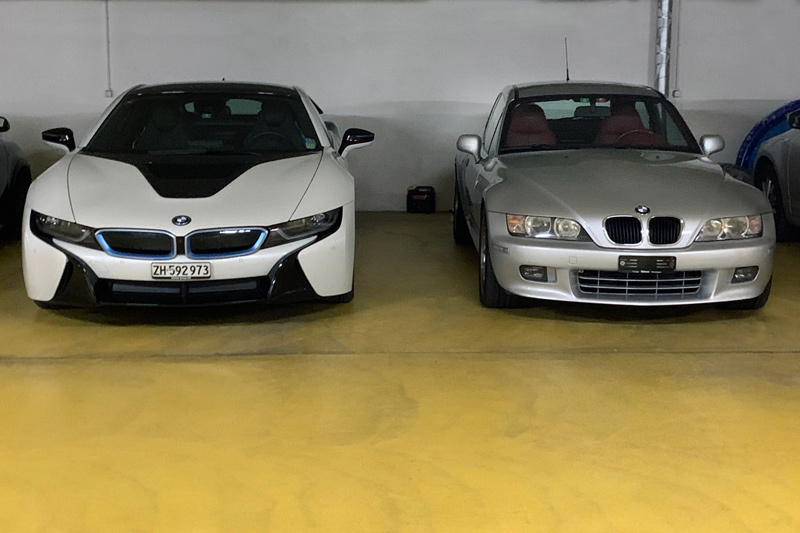
The situation is similar with a BMW Z8 or other sports cars built up to the early 2000s.
With the neo-classics, the time horizon is exceeded anyway; they can even be less than ten years old. The main thing is that they are special and suitable as classics of the future.
However, there are good reasons why young classics are becoming increasingly popular. They usually still allow the unadulterated driving experience of the past, but can be driven on our modern roads without any major restrictions. And that's what it's all about! You still want to drive the car yourself and not be patronized by a traffic jam assistant or adaptive cruise control, change gears when you feel it's right, start and stop the engine as you wish. This does not necessarily mean that you want to start the engine with the crank or adjust the ignition manually.
With the increase in electric cars in everyday traffic, this trend towards youthful classics is likely to increase ...