All-wheel drive in passenger cars long before Audi, AMX and Subaru


It was not only the engineers at Audi (quattro, 1980), American Motors (AMC Eagle, 1979) or Subaru (Leone, 1972) who realized that a normal passenger car could be made safer with four-wheel drive. The company Ferguson Research was already researching four-wheel drive for normal cars in England in the 1950s.
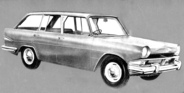
One result was the R4 prototype (pictured above) in 1952, which was equipped with a 2.2-liter boxer engine and even had ABS and automatic transmission in its final incarnation.
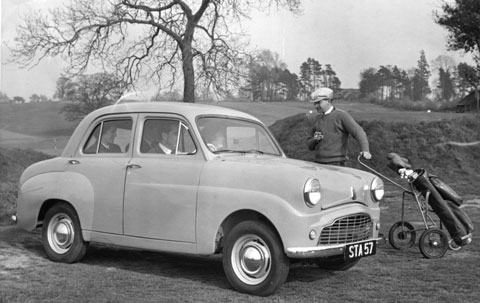
Its appearance was very reminiscent of the Standard cars, and the R4 could also have been seen as a souped-up version of a Standard 8. In fact, there were rumors at the time that Ferguson and Standard were working together, but the revolutionary technology did not find its way into mass production, presumably for weight and cost reasons.
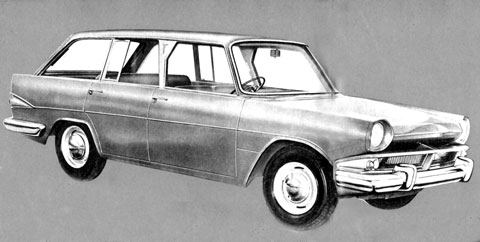
The R4 was followed by the R5 estate in the early sixties. This even had disc brakes on all wheels and hydropneumatic suspension. It is easy to see that this car was around 30 years ahead of its time. No mass manufacturer wanted to license the design, so the idea died at the prototype stage.
The Ferguson all-wheel drive was then used in various formula cars , but only in adverse weather conditions or on hills could the advantages of the all-wheel drive compensate for the higher weight.
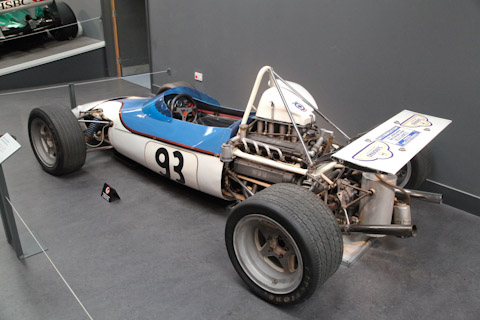
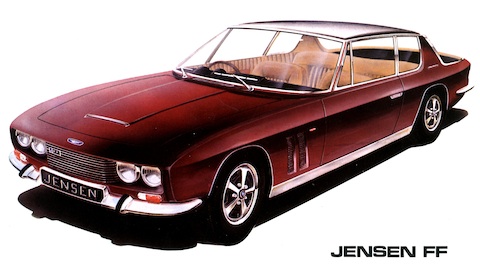
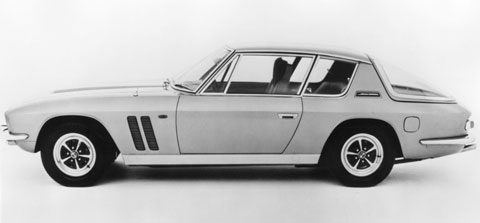
The Ferguson all-wheel drive technology was used in series production in the Jensen FF, even if the numbers were very low due to its exclusivity.
Incidentally, the Ferguson R4 prototype from 1952 was built near Coventry and is therefore also in the Coventry Transport Museum, as is the Techcraft BRM from 1970.