Cars are becoming more and more indirect


Recently, while driving a modern everyday car, I noticed that today we actually spend more time pressing buttons and switches than actually directly influencing the engine running, brakes or direction of travel. For example, we change the speed using cruise control instead of pressing the gas pedal or brake. Instead of switching on the lights, we hand the task over to a sensor-controlled computer.
Modern cars can even change direction automatically, and park anyway. You don't even have to wait for the self-driving car.
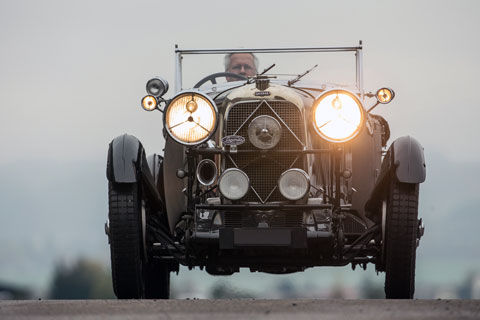
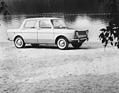
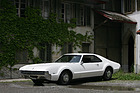
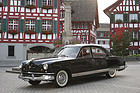
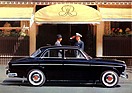
Of course, things were completely different 50 or more years ago, when every hand or foot movement had a direct effect on the vehicle's mechanics; the accelerator pedal, for example, was directly connected to the throttle valve and carburetor.
Over time, new comfort features were introduced, which in principle relieved the driver of work, but also of direct control. The automatic gearbox took care of changing gears, servo pumps supported the hand and foot grips, but still left the command to the human. With the introduction of ABS or cruise control, however, the tasks were transferred to the car, which could now decide independently how hard to brake or accelerate with the help of mechanics or electronics.
The mechanical accelerator pedal has long since been replaced by an electronic mechanism, only the steering still affects the steering column and the position of the wheels today, but even this last bastion of direct (albeit servo- or electric motor-assisted) influence on the direction of the wheels will sooner or later give way to "steering-by-wire", i.e. a decoupled steering signal via electrical conductors.
No wonder so many people are fascinated by old and simple classic cars, as they give us back control of the technology. And that just feels good!