The Imperia monoposto racing sedan and the Volkswagen XL1


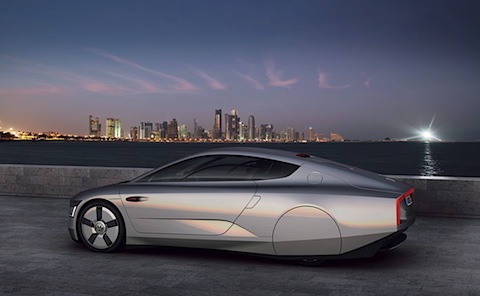
These days, everyone is talking about the VW XL1, which Volkswagen wants to build in a small series of 50 units and which could (theoretically) be around 200 km/h fast and consume less than 1 liter of diesel per 100 km thanks to balanced aerodynamics, a small frontal area, lightweight construction, state-of-the-art engine technology (diesel hybrid) and around 70 hp system output.
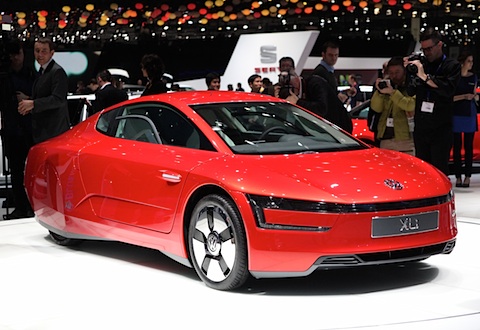
Well, this thoroughly impressive design reminds us of the Imperia racing sedan from the 1930s.
In 1934 and 1935, several prototypes of sports and racing cars were built in Bad Godesberg, which were characterized by above-average performance at low cost (4,000 marks), or at least promised to be.
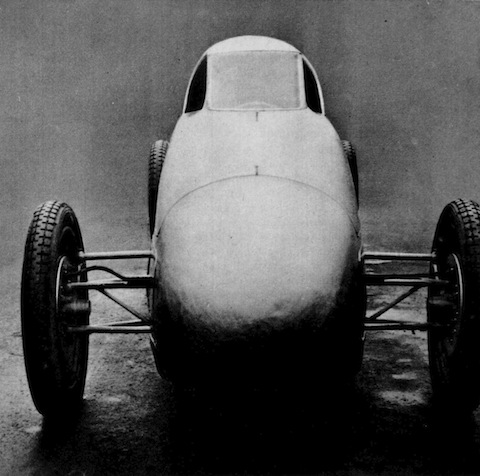
The bodies of the single-seater and later (at least envisaged) two-seater sports and racing cars were aerodynamically designed for minimum air resistance, so that a 1100 cc motorcycle engine (or was it a three-cylinder two-stroke radial engine with 750 cc displacement?) with plus/minus 40 hp should be sufficient for top speeds of 180 to 200 km/h. The weight of the vehicle was around 380 kg. The vehicle weighed around 380 kg, also thanks to the lightweight aluminum body, which sat on a filigree tubular frame. The engine and gearbox were located in front of the rear axle in the Imperia design.
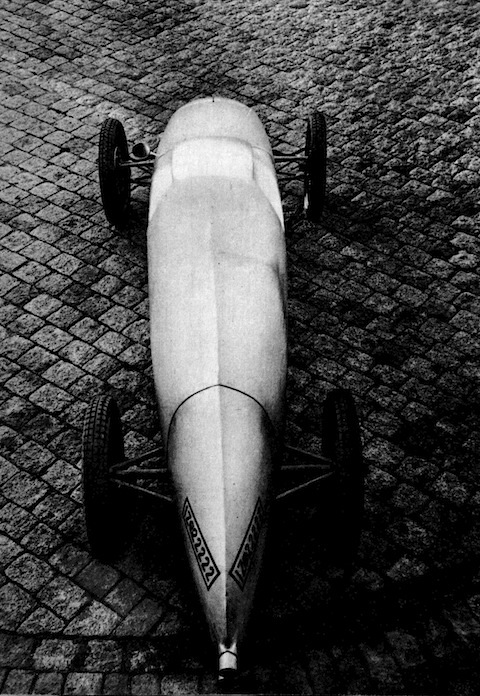
The very interesting racing and sports car project came to an end with the demise of the Imperia company in 1935.
Of course, the Imperia racing saloon was downright primitive compared to the current XL1, but it would probably still be drivable today almost 80 years after it was built, while nobody can say whether a surviving XL1 will still be drivable in 2090.
If you would like to know more about the Imperia car, please refer to the corresponding article in Motorwelt No. 3 from 1935 .