Very Special Babies

Some days ago, I visited the “Schöne Sterne” festival at one of the oldest sites of Ruhr industrial heritage, the Henrichshütte in Hattingen. Fans of the brand with the star gathered for the 16th time at the spectacular museum grounds. The international scope and diversity of “Mercedes-Benz cars” were once again astonishing.

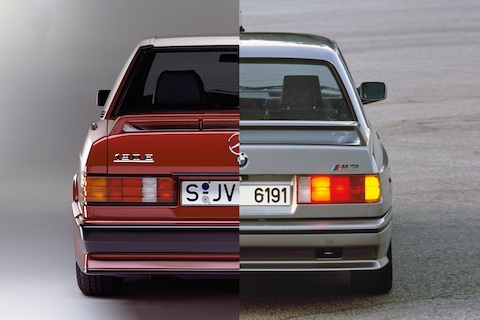
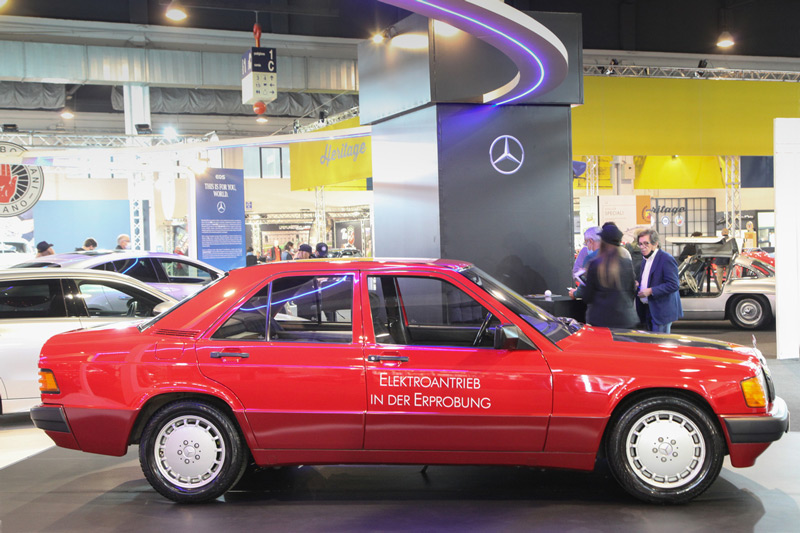
But let's narrow our focus—and as visitors, we tend to see what we want to see anyway. In this case, the W 201 model series, which became known as the Mercedes-Benz 190 and is commonly referred to as the “Baby-Benz.” It was truly striking to see the wide variety of versions of this car—which was originally offered only as a sedan—on display there.

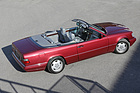
The 190 is unmistakably a model that particularly inspires younger enthusiasts of classic cars today. It's truly remarkable what owners come up with. Of course, in addition to production and special-edition models, there were plenty of chassis and body modifications. There was no shortage of historic interpretations of the W 201 as a Golf-class city car or as a convertible.

Particularly endearing, however, were the versions modified as taxis bearing a sign that read “Baby” instead of “Taxi,” as service vehicles, or as fire trucks. One W 201 placed on rails was truly spectacular—even if it was a one-off and not part of the regular schedule.

_Daimler_AG.jpg)