Why a Replica Can Be a Classic Car

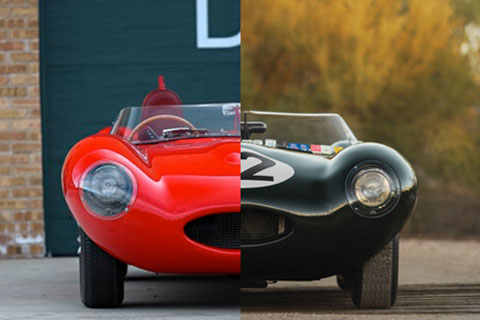
The original classic car is the only true cultural treasure. You could put it that way, though this statement also highlights the object's vulnerability. Just as there can only be one original paint job—think “patina”—there is also only one vehicle and its unique history. Even through no fault of its owner, an accident, an avalanche, or a fire can destroy this one-of-a-kind vehicle. A 1:1 replica delivers the same driving pleasure and keeps the original safely parked in the garage (which, by the way, is apparently not all that uncommon at events like Le Mans Classic and the Mille Miglia).

Price is another reason to purchase a replica. If you don't have enough money for a Porsche 356 Speedster, a replica might make you just as happy—especially if it's all about the design and the rumbling of the boxer engine in the rear. The same goes for amateur racers who like to put the pedal to the metal but don't always have enough road under their wheels. Just in case something goes wrong, it's only the replica—and not an expensive original—that gets damaged.

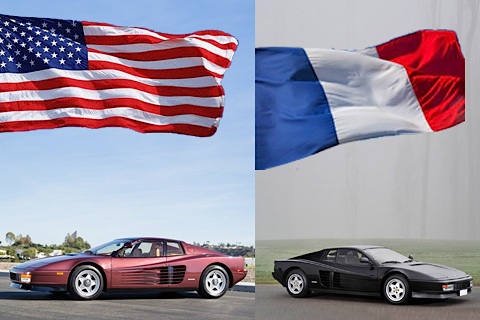
So there can be good reasons for choosing a replica over an original. Legally, it only becomes problematic if someone fails to declare a replica, reconstruction, or reproduction as such. Then it's not just a replica—it's a fake or a counterfeit. The deeper you delve into the subject, the more diverse the field of replicas becomes, with countless terms such as “recreation,” “continuation,” “backdate,” “restomod,” and “tribute car” abounding.

We will take a closer look at three models as examples in a coming article ...
_RM.jpg)