Does it always have to be a classic car?


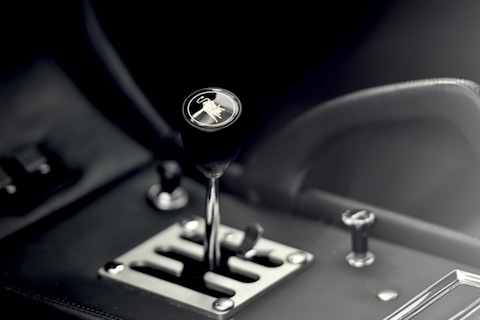
When I bought my first “classic car” over 40 years ago, my only concern was to drive a car that I could afford and that met my wishes and criteria. The car just had to be a convertible, have a manual transmission, and be sporty. A Fiat 850 Spider met those criteria back then for 3,500 Swiss francs (or about 4,500 DM). A new Alfa Romeo Spider would have cost eight times as much, and other alternatives—and there weren't even that many convertibles available new back then—would have cost even more. So I went with a Fiat.
Later, I bought a new Mazda MX-5. Other sports cars—now considered classics—followed, including a TVR Griffith 500. The criteria actually remained the same; only my budget changed—and, of course, my expectations regarding the car's performance and elegance. And every now and then, I'd treat myself to a coupe.
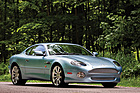
Today, the selection of newer cars that still offer a largely analog driving experience has shrunk again. For this reason, even people who aren't driven by a love of automotive history and tradition are turning to older cars.
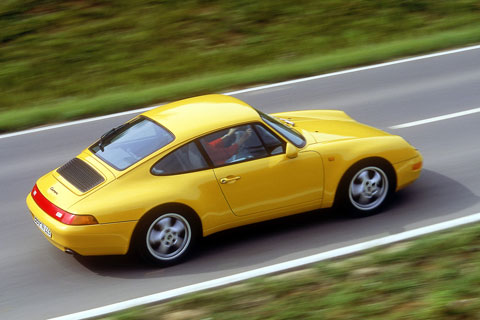
That's fine, but alternatives still exist today, such as the newer generations of the Mazda MX-5 (see photo above) or the Toyota GR Yaris. If the budget is larger, it could also be a Lotus Emira or one of the last manual-transmission Boxsters, Caymans, or 911s. If you want the car to have a nostalgic look, a Caterham or a Morgan might also be worth considering. And you can even find the newer Mustang or the Corvette C6/C7 with a manual transmission and clutch pedal.
The advantages of these newer cars typically include high reliability, perhaps an ongoing warranty, an established network of service centers, readily available replacement parts, and a few added safety and comfort features.
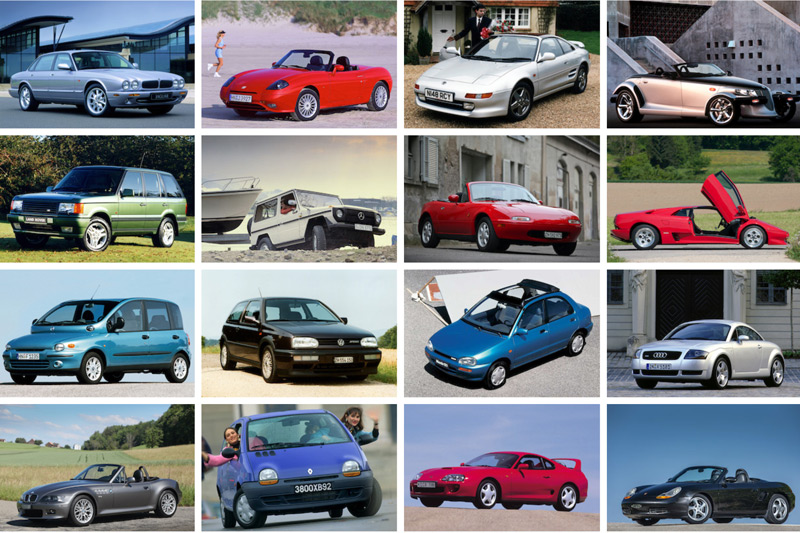
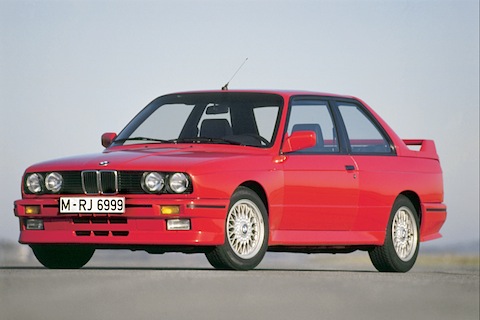
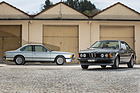
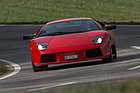
It's only a matter of time—or the passing of years—before these somewhat “analog” vehicles become classics in their own right; until then, they're simply known as “modern classics” or neoclassics. Amid the vast majority of the vehicle lineup on offer today—which consists mainly of SUVs and/or interchangeable models—these “young classics” will always stand out.
So we at zwischengas.com asked ourselves: Why not focus on these “modern classics”? Writing test drives from the perspective of someone who also enjoys driving classic cars, seeks a largely analog driving experience, appreciates a good engine sound, and isn't primarily excited by large LCD displays or driver-assistance systems?
What do you think—would you also consider this a good idea? Join the discussion and leave a comment below this blog post! We're curious to hear your thoughts!