Originality Over Safety?


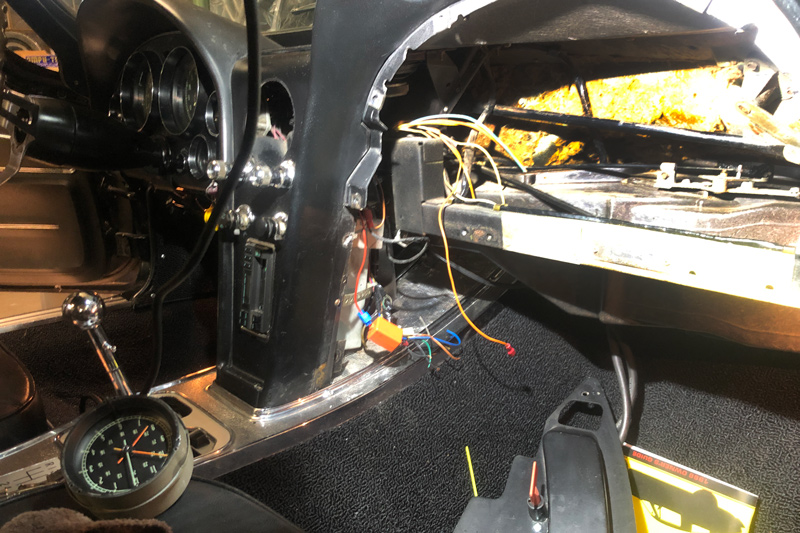
Let's put forward a theory that's probably not even that bold: Most classic cars still in use—that is, not museum pieces—are no longer 100 percent original. And we're not talking here about tires or fluids that need to be replaced due to age. Nor are we talking about a broken horn ring that's been replaced with a NOS part. Rather, we're talking about the small comfort features and major safety extras. For example, the retrofitted cigarette lighter so you can charge the smartphone you use for navigation. Or all the suspension-related modifications that improve handling. And isn't safety important?
Safety tuning?
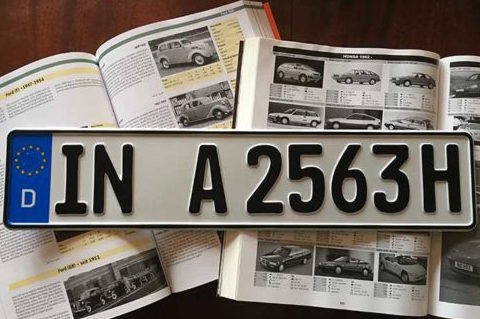
Now, there are cases where, for example, converting from drum to disc brakes is not an issue. A) If disc brakes were available as an option and you're simply retrofitting this feature—classic, period-correct tuning. B) when the classic car is modified for racing purposes and its classic car status plays no role in registration. It's only a tricky issue for recognized vintage cars and H-license-plate holders who give the car safety modifications that never existed in its original form. “But the inspector approved it that way,” people often say. That doesn't mean this is the lawful condition, even if the car is safer than before. Does originality take precedence over greater safety? It's a matter of weighing the pros and cons.

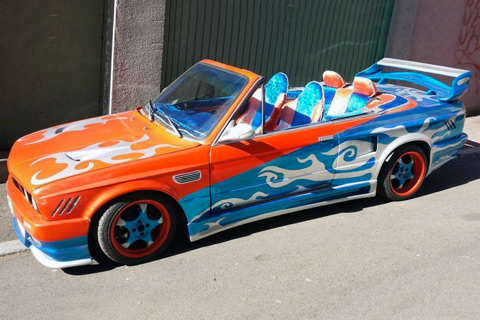
A classic car thrives on its originality. Only then is it a cultural asset and deserves the special protection granted to it by law. Anyone who modifies the technology—in the most extreme case, by installing an environmentally friendly electric motor—loses its status as a classic car. There's no other way to view it when the technology and appearance are brought up to modern standards. Everyone is free to decide for themselves, but then it's simply “goodbye, classic car!” After all, the appeal of an old vehicle lies not only in its appearance but just as much in the technology, which serves as a testament to its era. With all its limitations, which you might feel especially when driving or braking.
Safety optimization!
Even without major modifications, it's possible to improve safety in a classic car, as recently described in *Swiss Classics Revue* 3.26 . There's always room for improvement, and it starts with choosing the right tires. New shock absorbers also make a big difference, as do windshield wipers and headlight bulbs, because none of these parts are manufactured the same way they were 30, 40, or 50 years ago. Strictly speaking, this isn't “original” anymore, but it doesn't fundamentally alter the classic car and is necessary due to wear and tear. This, too, is a matter of weighing the pros and cons—only what's driven can keep on driving.