Future from Zwickau - Do you know the Sachsenring Uni 1?

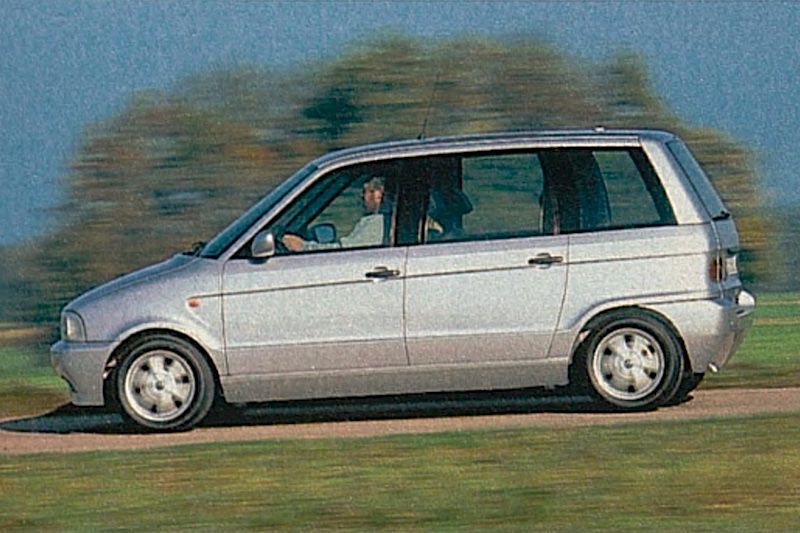
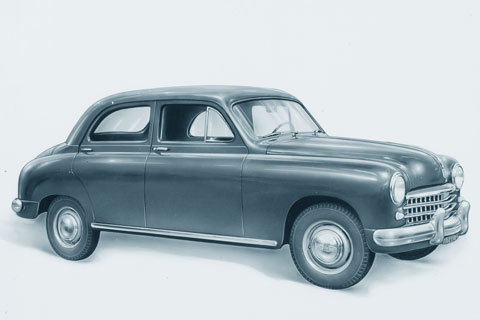
Rarely has the leap in innovation between two successive cars been greater. As recently as 1989, a 32-year-old, oil-fume rattling plastic wagon had been put together, which only managed to catch up with the four-stroke modern age with outside help. And as early as 1996, Sachsenring GmbH in Zwickau built a seven-seater saloon with an aluminum body and hybrid drive: the Uni 1.
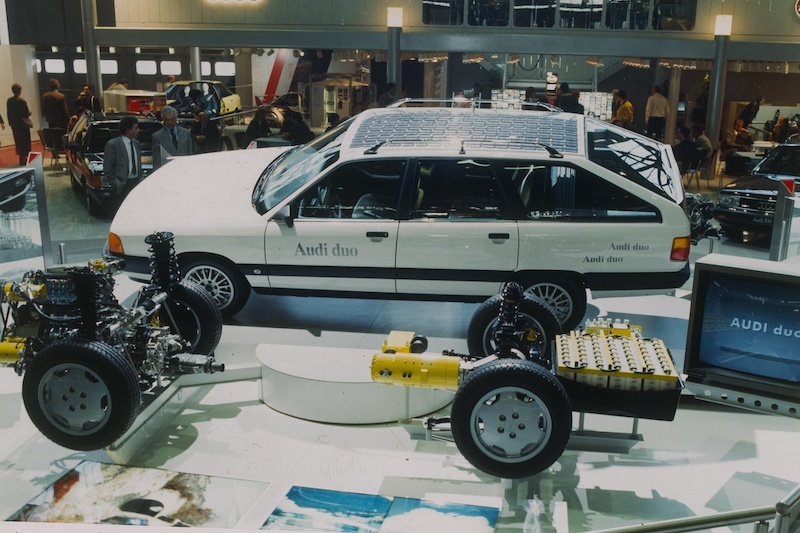
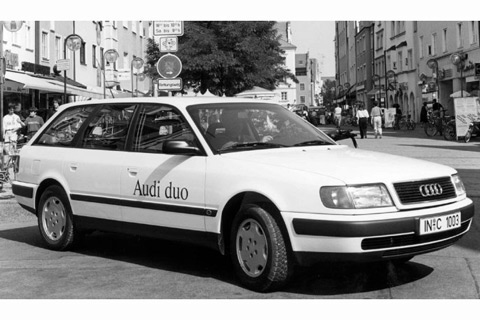
The idea of combining an internal combustion engine with an electric motor was not revolutionary. However, unlike the Alfa Romeo Alfa 33 Ibrida , the Saxons did not use a petrol engine, but a diesel engine. More precisely: the 1.9-liter TDI from Audi with 90 hp, already celebrated as a miracle of efficiency even without electric assistance. The 41 hp electric motor sat between the self-igniting direct injection engine and the transmission.
The transmission was an electro-hydraulically operated five-speed gearbox developed by Fichtel and Sachs and originally intended for the BMW Z3. In general, components from experienced companies were used wherever possible instead of developing something in-house and worse for more money. The front axle, for example, came from the Ford Galaxy. The transmission selector lever could also be used to switch off the diesel while driving, so that it was possible to drive 80 kilometers in urban conurbations and smog-free areas.
At the end of the 1980s, people in West Germany were still laughing about the Trabant and looking to the GDR for inspiration, but now it was the "Wessis" who wanted to learn from the "Ossis". For test purposes, a Ford Mondeo was also fitted with the Uni 1 drive. Companies from Japan were also particularly interested in the new technology.