Renault 5 Rétrofit - A toast to the eternal yesterday!

When Renault invited guests to Paris last summer to celebrate the 50th birthday of the R 5, the two-day program included a guided tour of a special exhibition at the Flins plant as well as an extensive test drive with the jubilarian. Ten Renault 5s from the factory collection had been specially prepared for the occasion. Half of them, however, had been stripped of their old-fashioned, banging engine and replaced with an electric motor in keeping with the times. One group of the 20-strong group of journalists would travel to lunch in the electric R 5s, the other in the combustion engines. They would swap for the return journey.
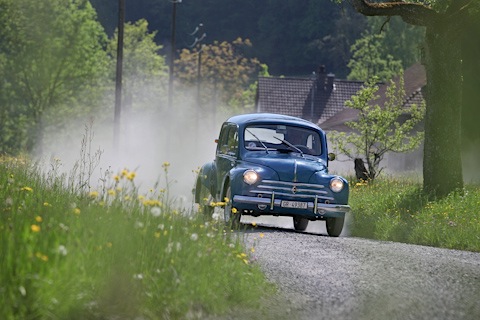
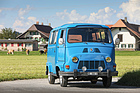
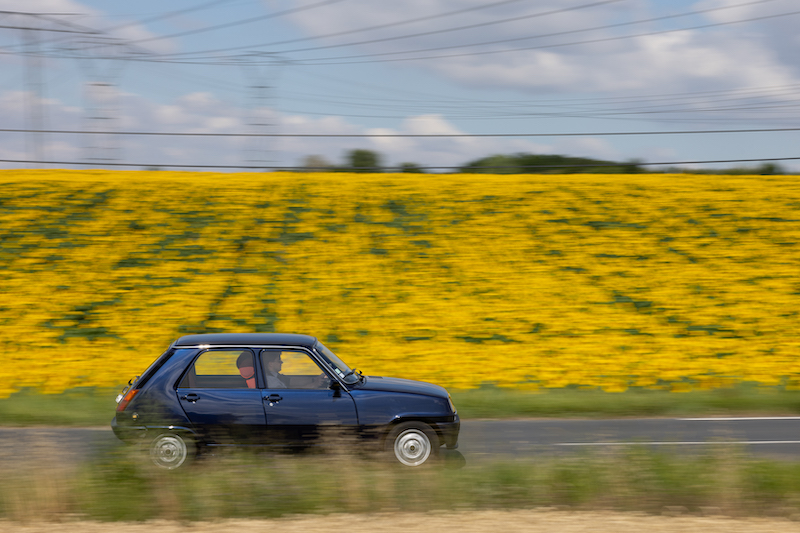
While most of them were still fighting over the black Renault 5 Alpine with the classic petrol engine, I opted for the dark blue TL with electric drive - not so much to have it behind me, but actually because the combination of maximum electric torque at all times and barely 700 kilograms of Renault promised quite a high entertainment value and dark blue is a chic color. On top of that, the electric fives also had a manual gearbox. The procedure was similar to that of a centrifugal clutch. Shift into gear, down from the left pedal and up to the right. Shifting was done as usual.
Unfortunately, however, the converted Stromer was unable to fulfill the expectations placed in it. While its temperament was still sufficient for normal progress on the flat, it noticeably diminished on the first small climb. The little Renault felt the inclines before I saw them, and as soon as I saw them, the acceleration was gone for good. When starting at the traffic lights on a hill, it even felt like the electric motor was about to stall - which of course is not possible. Nevertheless, it felt a bit like trying to get a fully loaded Fiat Ducato moving in fifth gear on the Gotthard. It was pitiful.
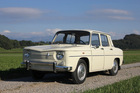
After lunch, we went back in a lemon-yellow TL from 1975, the kind I had as a child from Majorette. And what can I say? With the combustion engine, the little Renault finally revealed the temperament that it had lacked as an electric conversion. The little one-litre engine still revved lively, picked up the throttle in fractions of a second and harmonized so perfectly with the gearbox that you felt much faster than you probably really were in the end. But above all, it was fun. I didn't constantly feel like I was torturing the car. On the contrary: my good mood seemed to be transferred to the little Renault.
And it was precisely this difference between the Renaults, with their contrasting colors, that revealed the problem I have with converted classic cars: 50-year-old cars are simply not designed for an electric drive. The modern motor does not harmonize with the old shell and gets in the way of the good experience more than it helps it - both that of the quiet, powerful electric motor and that of the classic car as a reflection of its era. The future may belong to the electric drive. But the past belongs to the combustion engine - and it should stay that way, please.