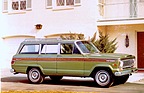
How SUVs ex USA took over our roads and influenced the future of the classic car

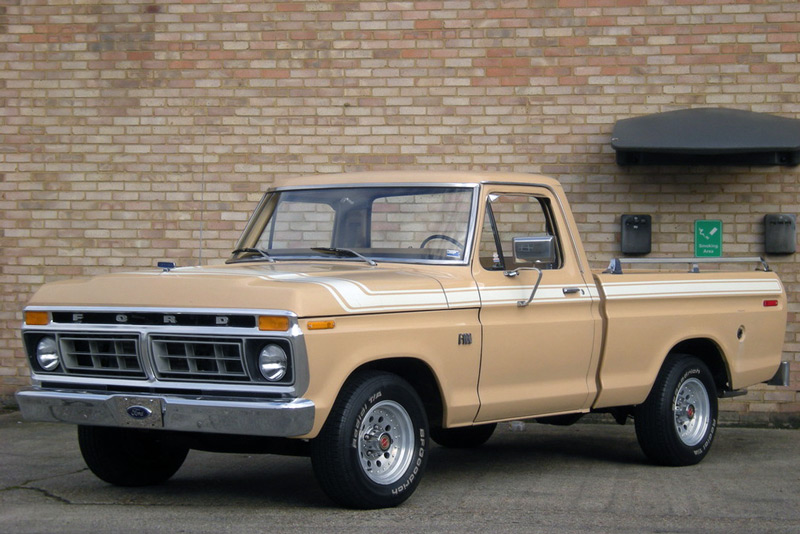
A significant proportion of new cars sold today belong to the "SUV" category. It seems that people no longer want to buy anything else, even though this type of vehicle was still a niche product 20 years ago. The fact that we mainly see SUVs on our roads today instead of estate cars and saloons has a lot to do with the Americans. There, special legislation and tax breaks (Chicken Tax, CAFE, Gaz Guzzler Tax) meant that so-called "trucks" were cheaper to build and could be sold with a higher margin.
Over time, car manufacturers learned to make better use of the legal framework and, instead of classic commercial vehicles with a separate chassis construction, they built self-supporting off-road sports utility vehicles and light trucks, which nevertheless benefited from the truck regulations.
Because the Europeans also wanted to benefit, they built large numbers of similar vehicles in the USA, the export/import of which to Europe in turn led to significantly higher margins. This gave rise to the BMW X5 or Mercedes-Benz ML and many other SUVs, which soon flooded Europe's roads and then triggered a momentum of their own. Who wanted to drive around in a small car or a flat estate between these almost man-sized automobiles? From a normal passenger car, you could just see over the bumpers of the tall SUVs and felt less and less safe. As a logical consequence, many drivers also switched to high SUVs, exacerbating the problem for those who did not.
And in 15 or 20 years' time? Then the majority of cars that mature into youngtimers and classic cars will be SUVs or crossovers, while the classic estate car, for example, will have long since died out. There's hardly anything we can do about it ...

_RM.jpg)