The hybrid mortgage

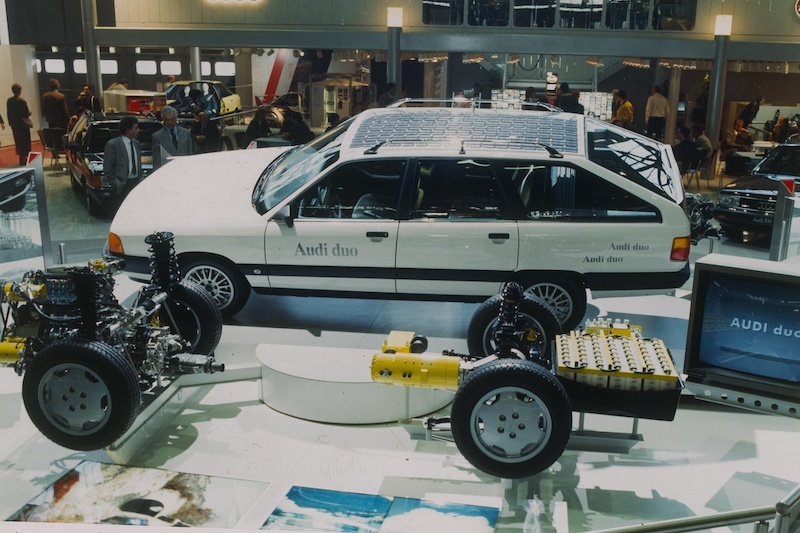
No, of course we're not talking about financial products here, but about hybrid drive in passenger cars. The picture above shows the Audi duo from 1989, an early hybrid prototype based on the Audi 100 Avant.
According to the latest statistics, 34.5% hybrid vehicles plus 9.4% plug-in hybrid cars were registered in Europe in 2025. In total, 43.9% of all newly registered cars in Europe were therefore hybrid vehicles.
The fact that this type of drive has become so popular is not primarily due to its attractiveness or technological advantages, but rather to the range on offer. Depending on the type of vehicle, it is not so easy to buy anything other than a hybrid car. This in turn has to do with the ever more demanding environmental registration regulations and permitted fleet consumption. But also with government intervention and support measures. It is no coincidence that 11.1% of plug-in hybrids were sold in the UK, but only 6.5% in Italy.
But what is the problem if these vehicles lead to lower fuel consumption and reduced CO2 emissions?
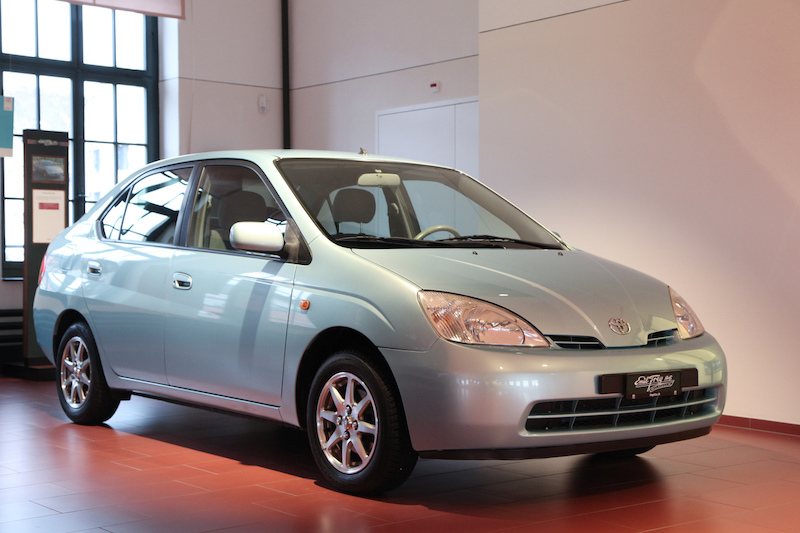
Hybrid vehicles with batteries and embedded electric drive motors, and even more so plug-in hybrid cars with practically a dual drive concept including charging function, have become very complex. Compared to a "normal" electric car with one or more drive motors and a simple reduction gearbox, hybrid vehicles have significantly more components that have to work together perfectly in order to reap the energy-saving benefits. In contrast to the 35.5% of newly registered non-hybrid cars, the hybrid fleet is heavier and more dependent. The rather small batteries have to be replaced at some point, and the gasoline engines, which are used differently, are subject to new ageing conditions. Whether a plug-in hybrid car can still be kept economically viable in 10 or 20 years' time is unclear today. Warranty insurers are already demanding significant surcharges if plug-in hybrid cars are to be insured.
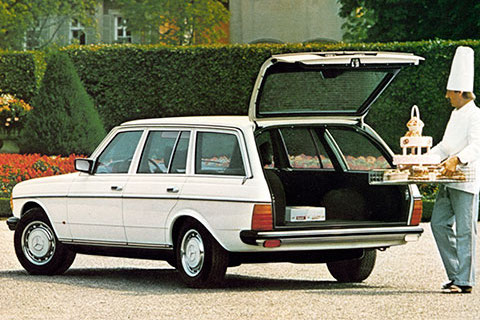
At the same time, the environmental benefits are limited. Mild hybrids (i.e. without a charging device and with small batteries and low-power auxiliary electric motors) consume surprisingly little fuel, as demonstrated by a self-test with a Mercedes-Benz E450 4x4 T-Class weighing over two tons, which drove more thanless than eight liters of petrol per 100 km over more than 10,000 km and still achieved driving performance that would have been competitive in the sports car segment 10 years ago. In fact, the complex drive technology can save gasoline and CO2 as long as it works perfectly.
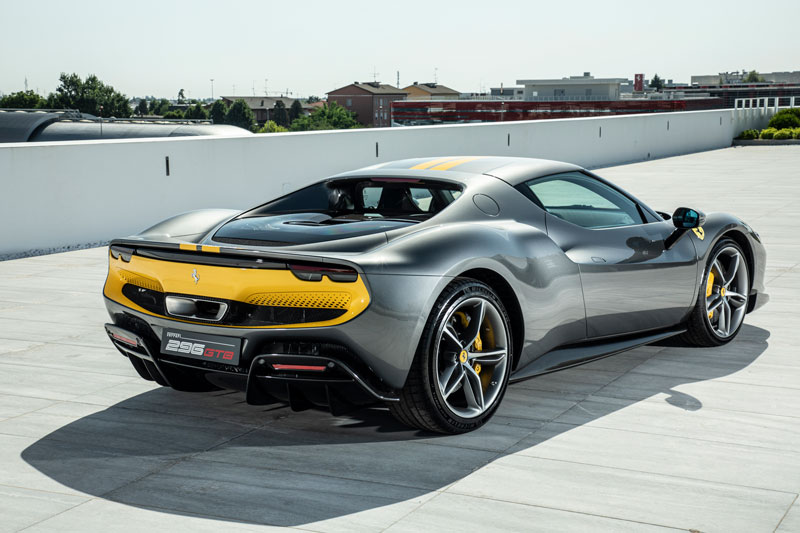
The illusory fuel consumption figures of plug-in hybrid cars, which are far from the 1.5 to 3 liters per 100 km claimed by the manufacturers, are a different matter. This is not primarily due to the car itself but to its use. If the electric range is used up after 80 or even 120 km, then the additional weight and the absence of electric assistance quickly costs a lot of gasoline (or diesel). In long-distance use and also on short journeys, when the car is not constantly being recharged, consumption quickly reaches 5 or even 8 liters per 100 km, and nature and the climate benefit little from the alleged savings effect.
From a classic car perspective, we can only raise a warning finger, because most of the hybrid and plug-in hybrid cars registered today will probably never reach the age required to obtain an H license plate (in Germany) or a veteran plate (in Switzerland), and if they do, then only at great financial expense to their owners. Even the chances for purely electric vehicles are better, as the BMW i3 (built from 2013 to 2022) can and will probably soon prove.
And pure petrol and diesel vehicles will also have a somewhat easier time in the long term than hybrids with almost twice the complexity. Seen in this light, the hybrid phase will ultimately become a mortgage that we have to thank for the often short-sighted policies and regulations that have not been thought through to the end.