Viva la vitesse!


Between the Morris Mini Cooper and Ford Cortina Lotus, there was still enough room for another family racing car with Formula 1 genes – at least that's what Jack Brabham thought who introduced his "GT conversion" for the Vauxhal Viva late in 1964. A £169 visit to Woking transformed the long-backed box with tires, which was roughly the English counterpart to the Opel Kadett, from a loser into an athlete.
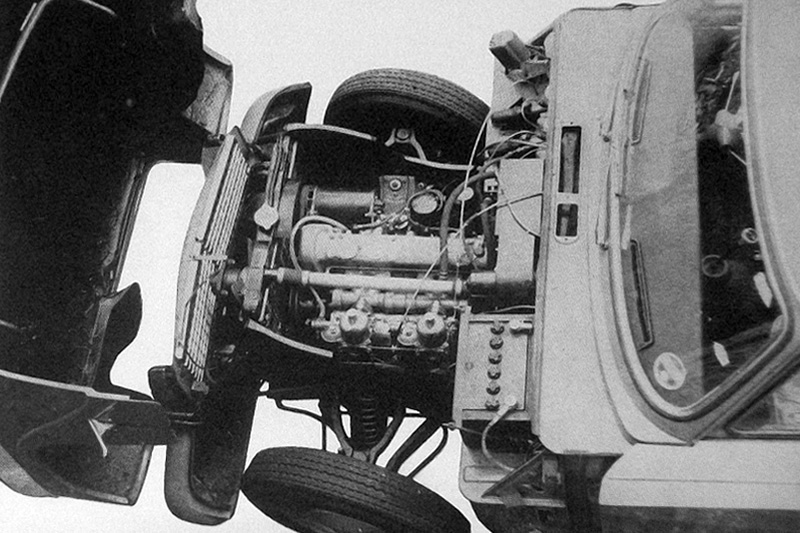
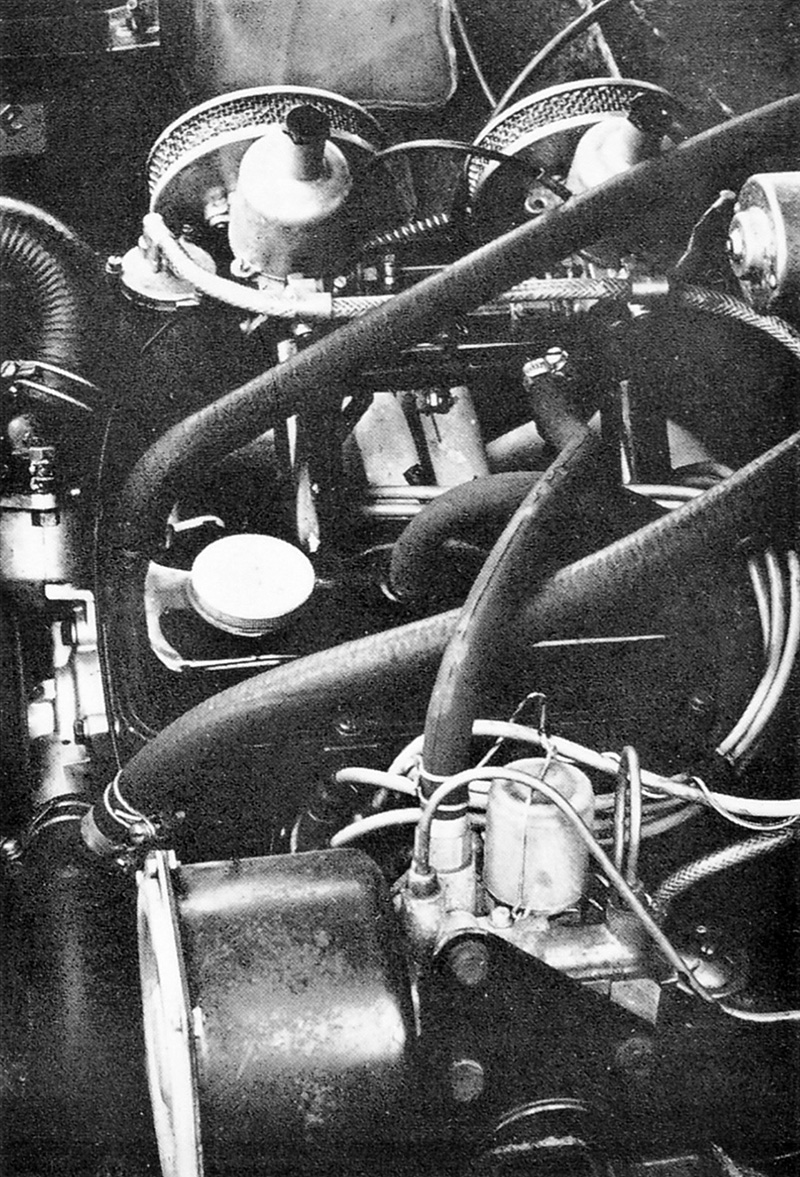
A new cylinder head with enlarged and polished ports, larger intake valves, revised combustion chambers and an increased compression ratio of 10:1; two Stromberg carburetors and a new exhaust system increased the engine output from 44 to 60 bhp at 5800 rpm with an unchanged displacement (1057 cc). This allowed the compact cube to be propelled up to 90 miles per hour (145 km/h).
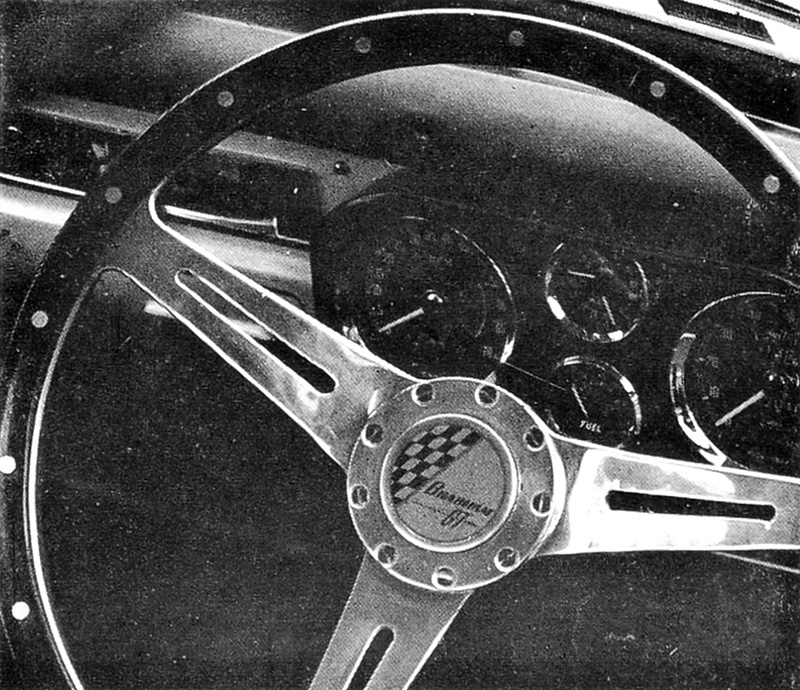
To cope with the brute power, the body was lowered and the front axle fitted with a transverse stabilizer. The dashboard was sporty with a rev counter, oil pressure gauge, water thermometer and 100-mph speedometer. External distinguishing features were limited to a matt black side stripe along the top edge of the wings and a few emblems.
Of course, price and driving pleasure could be increased considerably with a sports steering wheel in wood or leather, exhaust headers, heavy duty shock absorbers and wider wheels. If the increase in performance was too much for you, you could also purchase the "GT conversion" components separately. For those who wanted even more power, Brabham offered the GTO escalation with 80 bhp from 1.2 liters of displacement for 259 pounds.
However, the success of the Mini and Cortina eluded the souped-up Vauxhall both on the racetrack and on the road. Only three surviving examples of the Brabham Viva GT are still known today. Hardly ten times as many are likely to have ever been built.