Ski lift - with the Wankel motor to the start

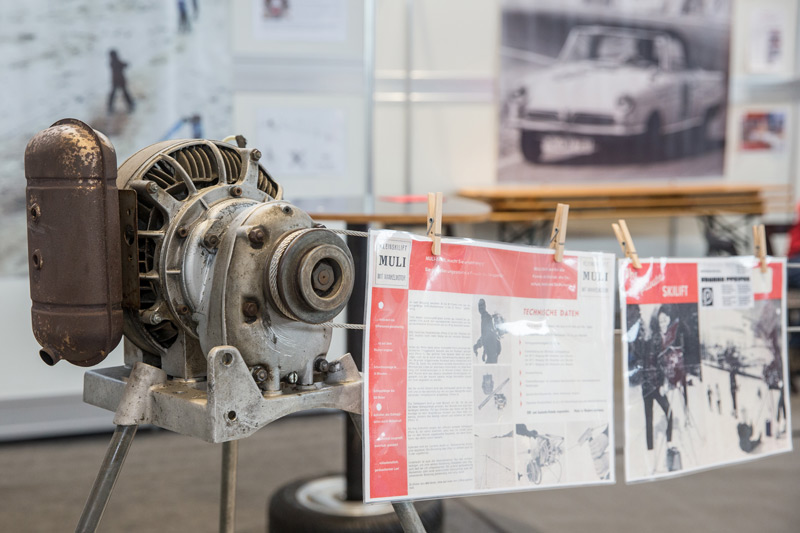
Now that all the medals have been handed out at the Winter Olympics, we'll show you how you too can prepare your child for the next major skiing event.
Just in time for Christmas, on December 24, 1934, the world's first T-bar lift was inaugurated in Switzerland on the Bolgen in Davos. The idea came from a Zurich engineer named Ernst Gustav Constam and this lift still exists today, albeit somewhat modernized of course. But what does this have to do with a classic car?
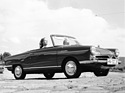
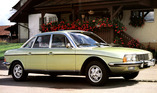
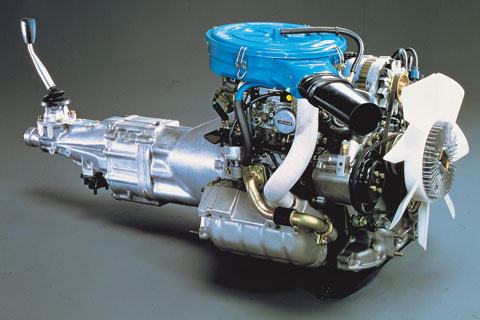
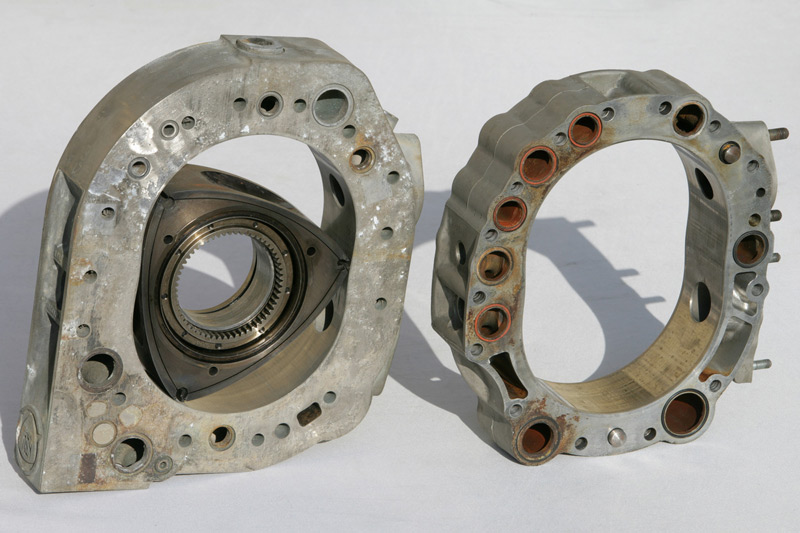
In addition to the engines for famous cars such as the NSU Spider or later the Ro80, there were other areas in which Wankel engines were used.
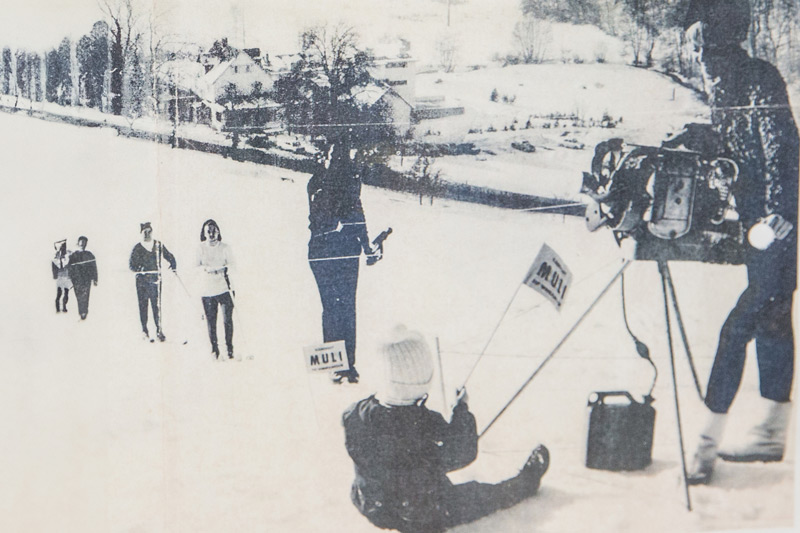
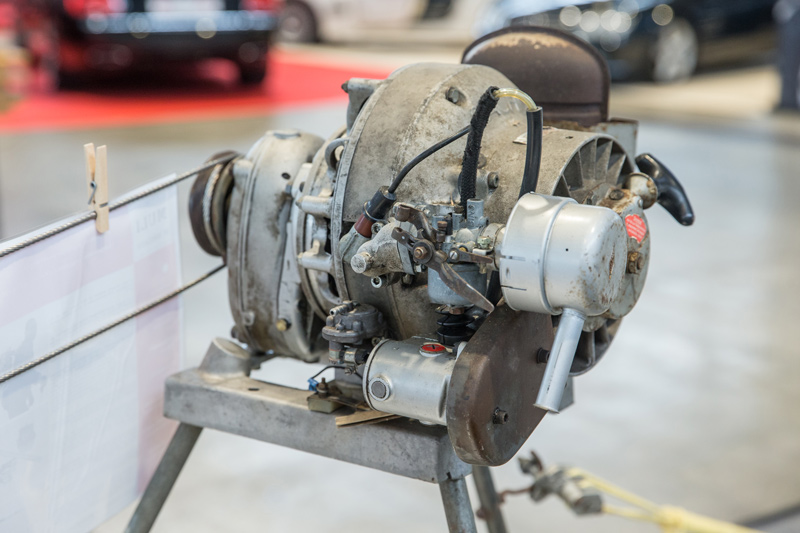
The company Fichtel & Sachs, for example, built a Wankel engine for the small ski lift "Muli" for everyone.
Depending on the gradient of between 30 and 90 percent, the powerful 8 hp Wankel engine transported 4 to 10 people at a time.
Despite this performance, the weight of the entire lift was limited to just 45 kg thanks to the space-saving Wankel engine and the well thought-out design.
Three handy pieces of luggage distributed among 3 people were no more trouble than a normal piece of marching luggage.
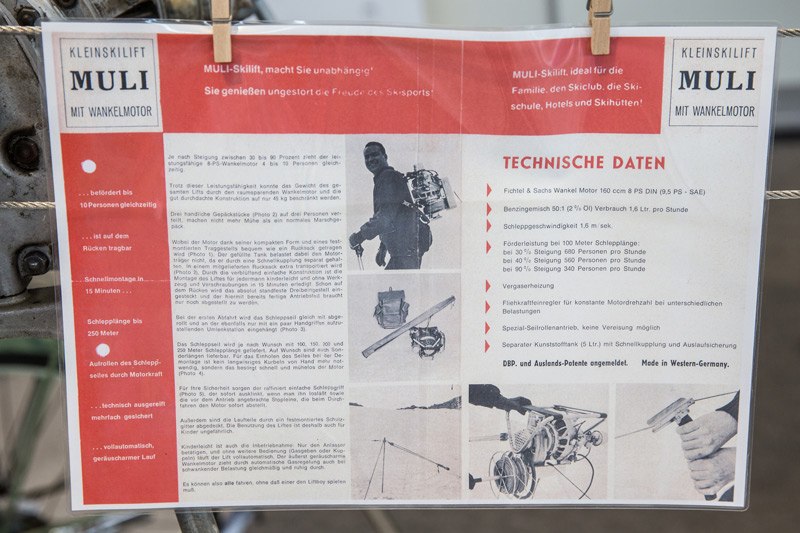
Thanks to its compact shape and a fixed carrying frame, the engine was carried comfortably like a rucksack. The filled tank did not put any strain on the motor carrier, as it was held separately by a quick-release coupling and transported separately in a rucksack supplied.
Thanks to the amazingly simple design, the lift was child's play for anyone to assemble and could be done in 15 minutes without tools or screws.
The absolutely stable three-legged frame was inserted on the back and the drive section, which was already complete, only needed to be set down. On the first descent, the tow rope was also unwound and attached to the deflection station, which could also be set up in just a few simple steps.
The tow rope was supplied in lengths of 100, 150, 200 and 250 meters as required. Special lengths were also available on request. It was no longer necessary to spend time cranking the rope by hand to haul it in during dismantling; this was done quickly and effortlessly by the motor.
Safety was ensured by the ingeniously simple towing handle, which released as soon as it was released, and the stop line attached in front of the drive, which stopped the motor immediately when it passed through.
In addition, the running parts were covered by a fixed protective grille. The lift was therefore also safe for children to use.
Starting it up was also child's play: just press the starter and the lift ran fully automatically without any further operation (accelerator or clutch). The extremely quiet Wankel engine ran smoothly and evenly thanks to automatic throttle control, even when the load fluctuated. So everyone could ride without anyone having to play lift boy.
Incidentally, Wankel fans in Australia are also said to have discovered a water ski towing device.
.jpg)