Jean-Pierre Jabouille - Turbo pioneer (obituary)

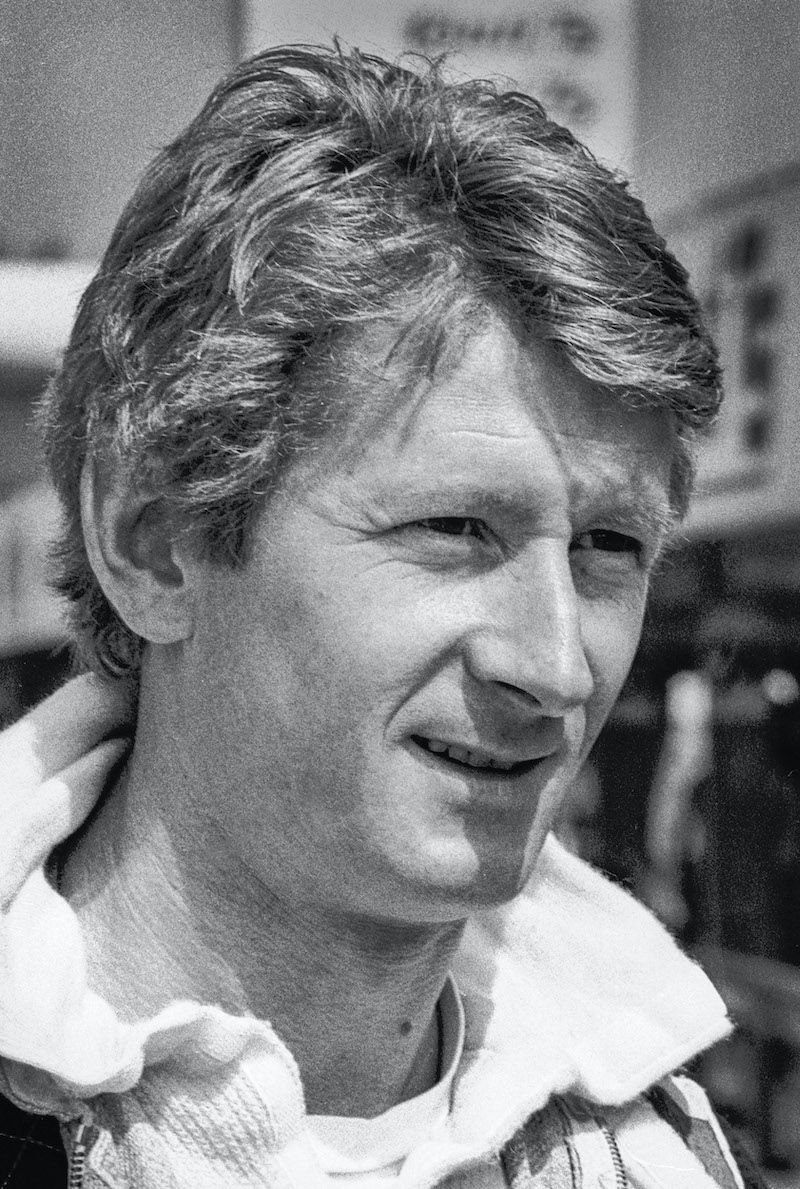
There are very few racing drivers who have subordinated their own talent to the development of new technologies. One of them was certainly Jean Pierre Jabouille (October 1, 1942 - February 2, 2023).
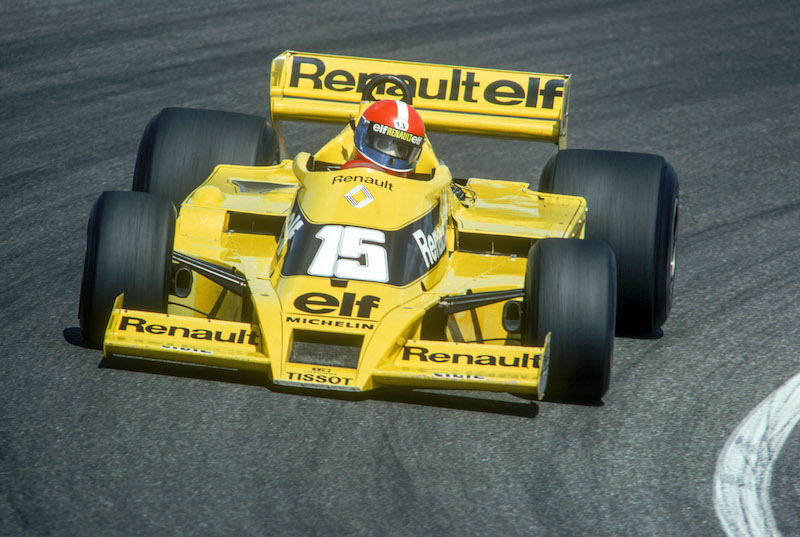
The son of a Parisian architect was the first man to start a GP with a turbo engine at Silverstone in 1977. He won the first GP with it in 1979, a full two years later, and thus initiated the great turbo era. Now the 80-year-old is the third French GP driver to pass away within two months, after Patrick Tambay (4. 12. 2022) and Philippe Streiff 23. 12. 2022).
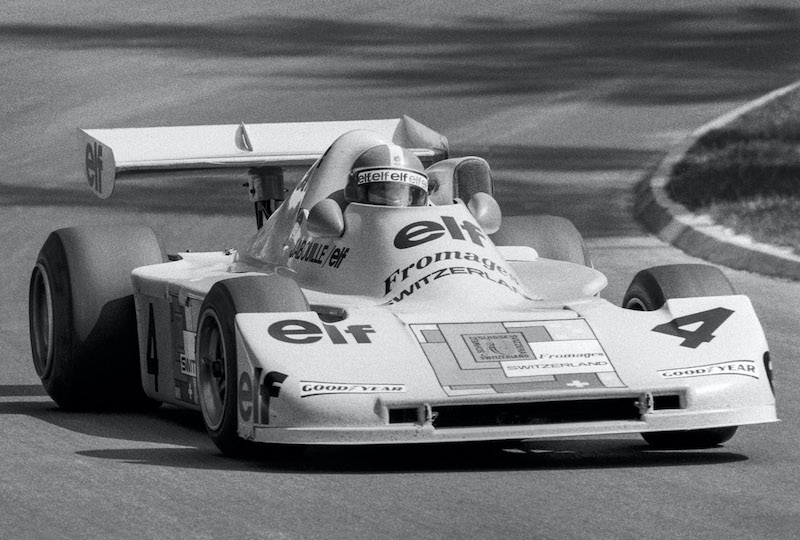
Jabouille's career began in 1965 in a Renault R8 in hillclimb races, but he soon switched to the national Formula 3 with the help of his then mechanic and later brother-in-law Jacques Laffite, where he finished runner-up in 1968, 69 and 71. Also with Matra, he then became European Formula 2 champion in 1976.
His first F1 training session only came in 1974 in Dijon at the now unthinkable age of 32, as he was unable to qualify for the race in Frank Williams' underfunded team with the ISO-Marlboro FW01. As a result, he only made his debut in the premier class at the age of 33 at Le Castellet, this time in a third Tyrrell alongside the two regular drivers Scheckter and Depailler.
Jabouille was a really good driver, but he had a deep technical understanding. He brought both of these skills to the development of the 1.5-liter V6 Renault turbo engine. Initial major problems caused "the yellow teapot", as the Renault was also called by the competition, to fizzle out time and again. Neither the ever-quiet Jabouille nor the rest of the team could be dissuaded from their chosen path.
It took over a year for the Renault Turbo to score its first ever world championship points, finishing fourth at the 1978 US GP in Watkins Glen. Jabouille remained the quiet and diligent worker alongside the young hotshot René Arnoux in 1979.
As a result, the historic and history-making first GP victory for an F1 turbo engine at the 1979 French GP in Dijon was completely overlooked alongside the incredible lap-long wheel-to-wheel duel with various touches for second place and a possible double victory between René Arnoux and Gilles Villeneuve (Ferrari).
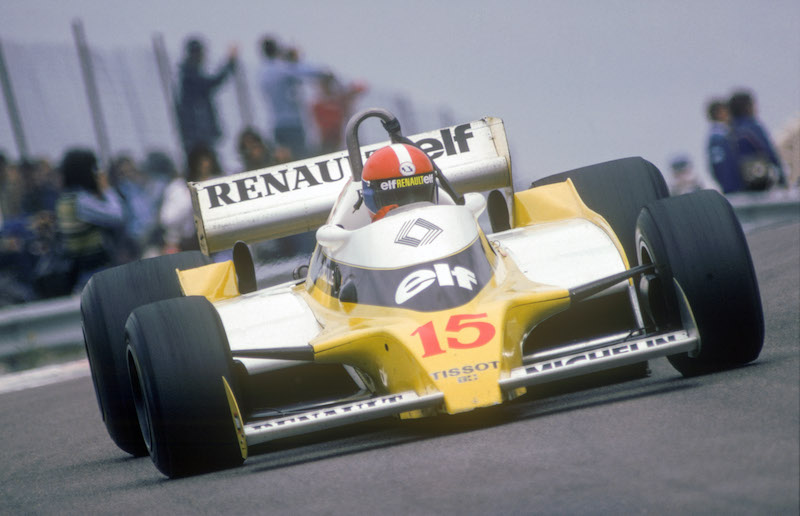
In "Auto-Jahr" No. 27 we read: "The opposition was already smirking: Look at the state-owned company. They'll never make it! But the Renault technicians continued their research and redesigned. They analyzed and tried. They tested and embarrassed themselves at every race. But they didn't give up. It was the V6 engine with twin turbochargers in the new chassis that brought about the great moment in Dijon: Jean Pierre Jabouille won the French Grand Prix, René Arnoux came third."
From 1975 to 1981, Jabouille competed in a total of 49 Formula 1 races. In addition to the Renault, he also drove a Williams, a Tyrrell and a Ligier-Talbot. In all of his F1 races, he had to face 37 retirements. However, in the remaining 12 races, he finished first twice (French GP 1979 and Austrian GP 1980).
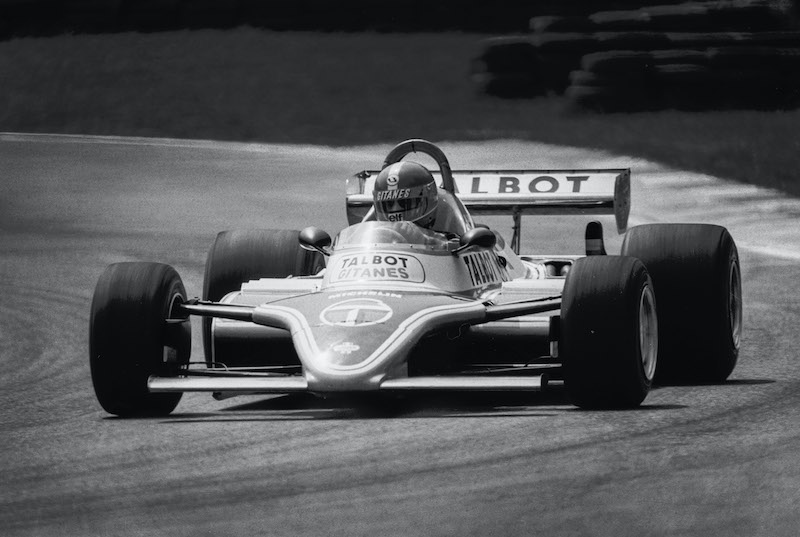
After Renault engineer Castaing left the team in 1979, Jabouille signed with Ligier for 1981 and opened the door at Renault for young compatriot Alain Prost. The serious accident with various leg fractures, after a suspension break in his last Renault season on lap 26 of the 1980 Canadian GP, meant that he made his comeback as planned in the Ligier in 1981, but had to retire after just three races and ended his career as a driver, although he remained loyal to racing for many years as race director of Ligier and head of sport at Peugeot before opening a restaurant in Paris.
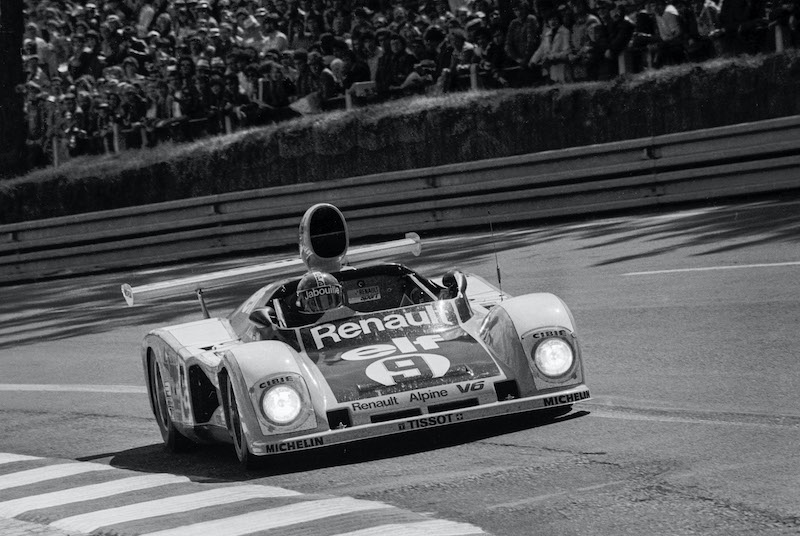
JPJ also impressed as a long-distance driver, and although the "tall blonde" did not win the legendary 24 Hours of Le Mans, he did achieve four podium finishes. With the Alpine A220, Matra MS660, 670B and C, Renault-Alpine A442, Peugeot 905 and even in the Sauber Mercedes C9, with which he competed in 1989 together with Jean-Louis Schlesser and Alain Cudini and finished the race in the Sarthe in fifth place.