Damn motorcyclists


Some things just don't seem to change. In the spring of 1977, Ferdinand Simoneit wrote an editorial in issue 7/77 of auto motor und sport entitled "Damn motorcyclists". The scene he describes is a familiar one:
"We car drivers have all experienced it dozens of times: a line of cars creeps like a snail towards the traffic jam for hours in the summertime, all the occupants, even grandma, are boiling with rage - only a few motorcyclists weave their way through the viscous queue of vehicles and reach their destination unhindered. They haven't done anything wrong, they've just taken advantage of their two-wheeled mobility - but they've all made bitter enemies of the waiting motorists."
Something similar happens in city traffic. Not everything that motorcyclists and scooter riders do there is completely legal, and the road laws now also want to put a stop to snaking in convoys on the highway.
Simoneit fought against the bad press that motorcyclists received at the time:
"It's time to do something for motorcyclists, and we motorists in particular should do something. Car drivers often don't understand why a motorcyclist in front of them suddenly makes a jerky movement - he's just swerved to avoid a manhole cover or a puddle. Car drivers smile at the fact that motorcyclists ride with dipped headlights even in broad daylight and dress as colorful as parrots - motorcyclists are afraid of cars and don't want to be overlooked. 91 percent of all motorcyclists surveyed see their "greatest danger" in the car using the road with them - car drivers see it more harmlessly: only 35 percent of car drivers have realized that they represent the greatest danger for motorcyclists."
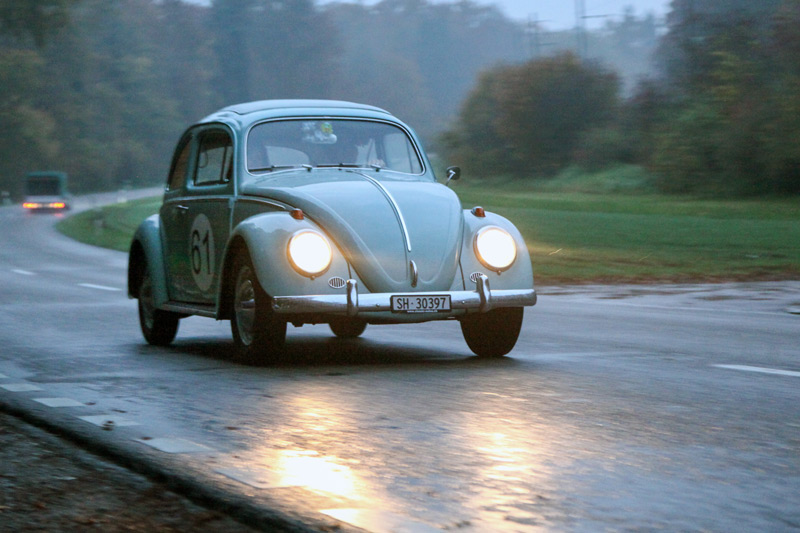
The appeal to car drivers was to regard motorcyclists as partners on the road. This is still valid today and something similar could perhaps be said in the future about classic car drivers, who can hardly compete with the electric drivers of tomorrow in terms of tightening torque. Braking performance is also primarily dependent on the driver's skills and is significantly lower than in modern cars. It is therefore important to take the specifics of the old car into consideration. And not just shout "damn classic car drivers" ...