The aesthetics of the screw


When you look around in a modern car, you sometimes ask yourself: How does this thing actually hold together? There are no visible screws or nuts anywhere. And yet somehow everything stays in one piece - because the joints are all neatly concealed under plastic caps. Maybe it's to protect the occupants, because hiding the screw heads certainly doesn't add any visual value. Especially not if the cap has already been removed once and now presents itself with an edge deformed by the screwdriver.
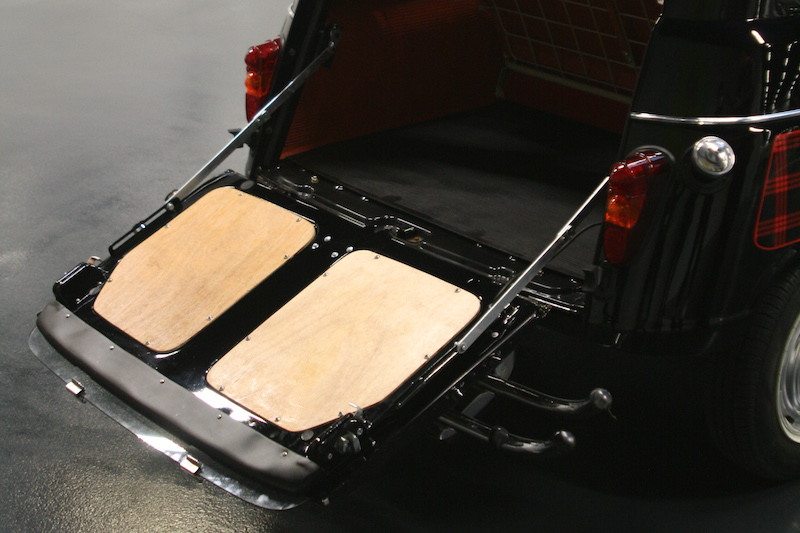
In the sixties, people had a different approach to metal fasteners, accepting their technical necessity and even using the shiny metal dots as a design element from time to time. No fewer than 30 visible screw heads can be seen on the American-style bottom-hinged tailgate of a Renault 4 Super. They lend the door, which is extensively paneled with wood on the inside, a special aesthetic somewhere between a luxury yacht and the Eiffel Tower.
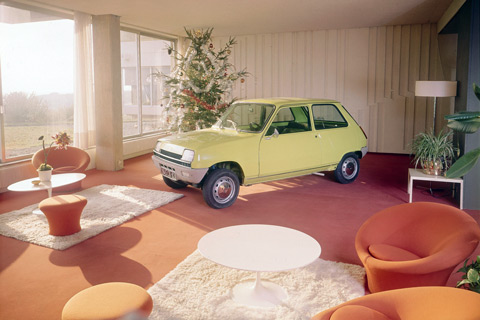
In the Renault 3 economy model, on the other hand, it was probably simply the pragmatism of cost reduction that led the builders to resort to screw fastenings. Unfortunately, they missed an opportunity for dual use, at least on the photo car: rotated by 90 degrees, the slot in the screw head could also serve as a crossbar in the "A" of "Renault".