When drive technology changes faster than expected

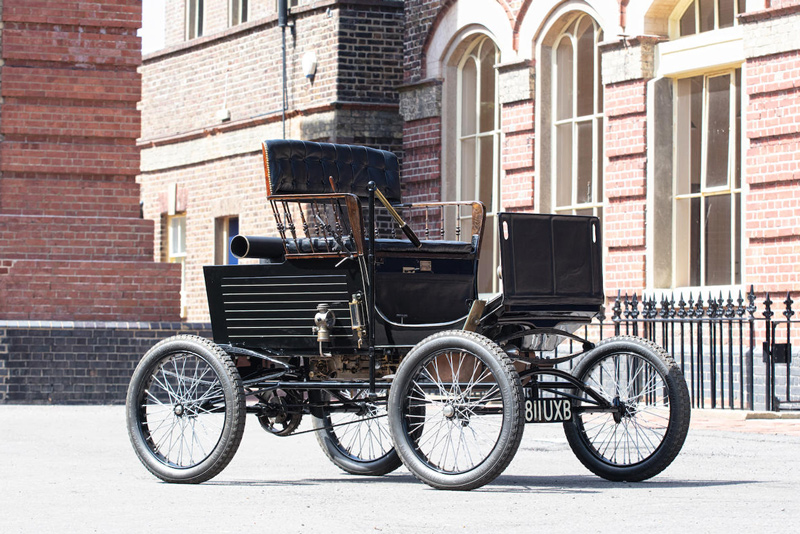
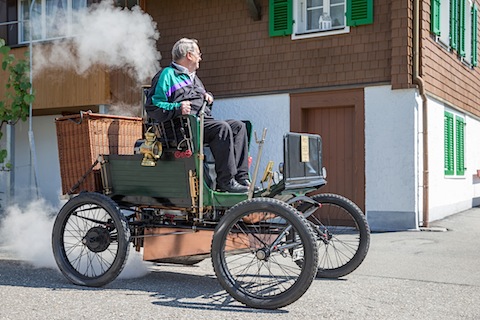
From today's perspective, it is hard to believe that it was not cars with petrol engines that sold best around 1900, but steam cars, followed by electric cars. At the turn of the century, there were around 37 to 38 electric cars for every 40 steam cars (the picture above shows a Locomobile Steamer Type 2 from 1900) in the USA and only 22 to 23 cars with internal combustion engines.
Presumably, every form of propulsion had its fan base at the time and the steam-powered car enthusiast was certainly unhappy when he had to replace his relatively quietly running and dynamically accelerating car with a gasoline-powered car, which was conspicuous for its rough running and had to be kept happy with many demanding gearshift maneuvers.
However, the car with an internal combustion engine prevailed because it became increasingly user-friendly over time (including an electric starter) and, unlike the steam car, was ready to go without much preparation time. The better drive concept, which offered long ranges, quick refueling and great utility, quickly gained the upper hand. The electric car lost out as soon as people wanted to use their cars outside of cities and over longer distances.
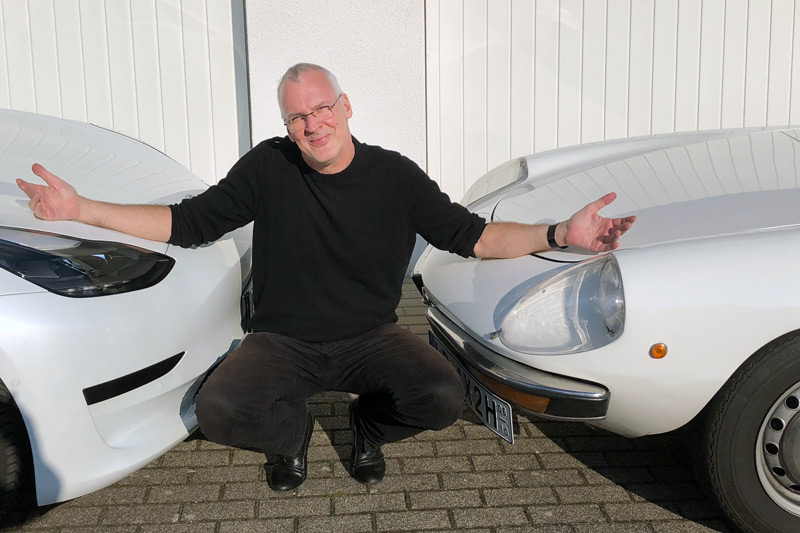
A similar transition, this time from the combustion engine to the battery-powered electric car, would probably have taken place again in modern times without any intervention. Now, however, it is being accelerated by political intervention, which is simultaneously releasing enormous investments that will hopefully lead to an improvement in the technology (e.g. more environmentally friendly and lighter/more powerful batteries). The problem with the approach of many governments today, however, is that regulations are usually based on current knowledge and can also slow down innovation ...
P.S. Just seen this: In a recent survey on the website of "auto motor und sport " , 44% assume that their next car will be an electric car, 11% are still undecided. Such a high level of acceptance would have been completely unthinkable two years ago, but it can happen that quickly ...