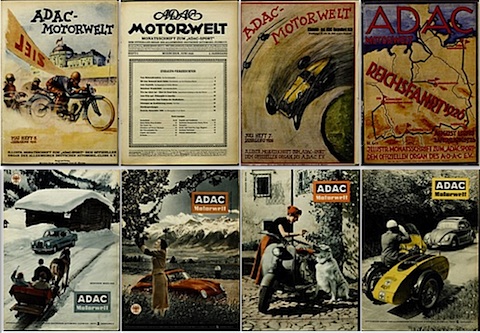
An entertaining look at the manuals from back then
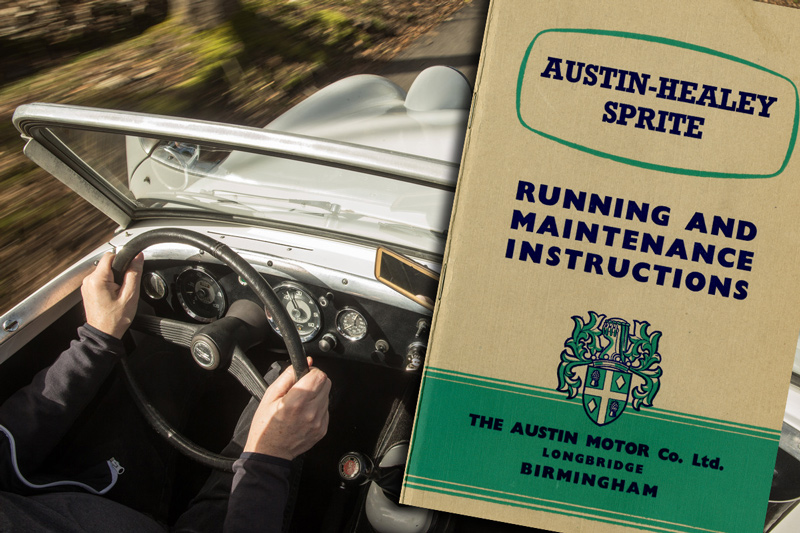
Very few people my age (I'm 22 years old) will ever have picked up a car manual, such as their parents'. I, for one, have never done so myself. Why should I? After all, modern cars hardly require any special knowledge to drive and operate them.
You learn how to drive in driving school and my generation hardly ever needs instructions for other functions, such as infotainment. And if you do get stuck, Google or YouTube are sure to have an answer faster than a manual several hundred pages thick. Not to mention maintenance, which nowadays usually has to be carried out by a specialist due to the complex technologies involved.
It was probably different in the past. The cars of that time were less standardized, not as sophisticated and required a lot more maintenance, which, however, could usually be carried out by yourself thanks to the lower complexity.
When I recently got my hands on the manual of a 1958 Austin-Healey Sprite for digitization, I noticed a few things that seem a bit strange to an almost novice driver.
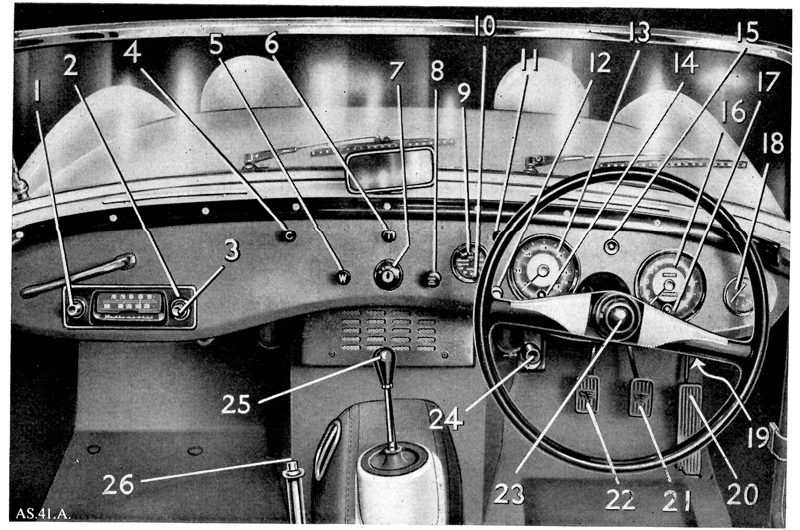
After all, people in the late 1950s should have known how to drive a car. And yet on page 17 of the Austin-Healey Sprite manual there are "driving instructions".
Under the heading "Driving" it says: "Drive off only in first gear, which is engaged by depressing the clutch pedal and moving the gear stick to the appropriate position. If it is not easy to engage, release the clutch slightly and then press the clutch pedal again to engage the gear."
Also amusing are the "driving hints" on pages 18 and 19, which include things like never pulling the handbrake when the vehicle is still in gear or avoiding letting the clutch slip in traffic or on a steep climb. It is also not recommended to ever let the engine idle - spoilsport.
The aforementioned maintenance was also described much more extensively back then than it is today. Pretty much all service work was listed and explained according to mileage. And it probably wasn't there for decoration either, because most of it could be done by anyone who didn't have two left hands.
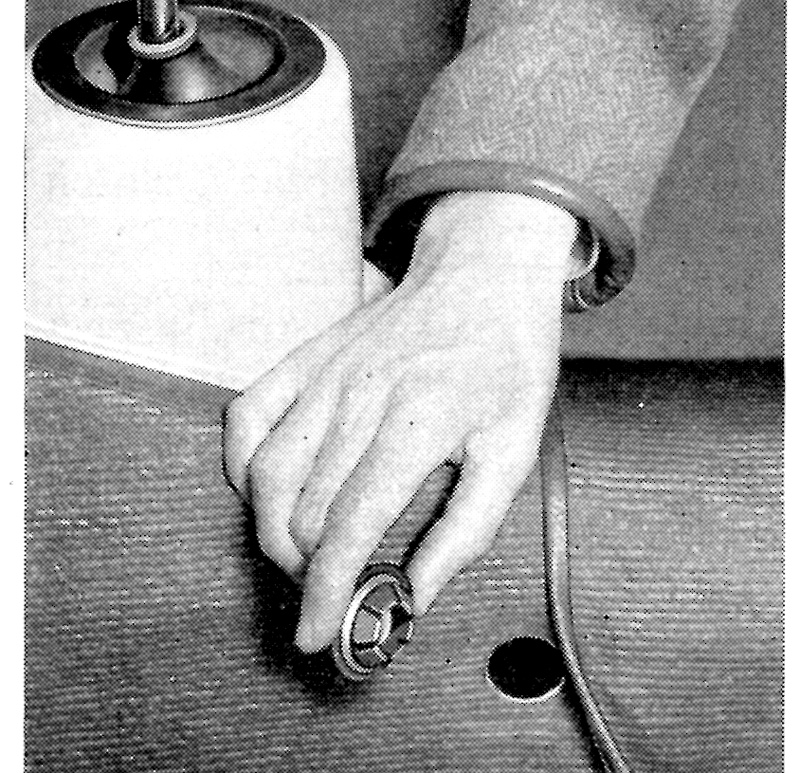
The language in the manual also seems much friendlier and more human than in today's lengthy chunks filled with dizzying vocabulary and tons of boring "computer language".
"Tons" is also a good keyword, because the Sprite manual is just over 60 pages long. The manuals in modern cars, even if they are as "simple" as the VW Up!, are always books with hundreds of pages. Back then, the motto was probably "the most important things in a nutshell" - nice!
Old documents, such as the Austin-Healey Sprite manual mentioned above, are witnesses to times gone by, just like the cars they provide information about. They take you back to the old days or show a young person like me what driving used to involve. Now you could perhaps go one step further in a more philosophical direction and say that you also learn forgotten values, such as repairing instead of throwing away and taking care of things instead of always buying new ones. But I don't want to go that far at this point...
Premium users of Zwischengas will find over 580,000 digitized pages of old magazines, brochures, manuals and other information on classic cars of all kinds. The newly digitized Austin-Healey Sprite manual can also be read page by page.