The principle of hope ... when buying a classic car

When someone buys a classic car as an investment, they look at market value indications to make sure they are not overpaying for the car. But the past is not enough of a yardstick. To determine how much money you can invest, you also have to look at the potential for the future. And here you have history as a source of information on how things might turn out in the future, but of course this is not certain.
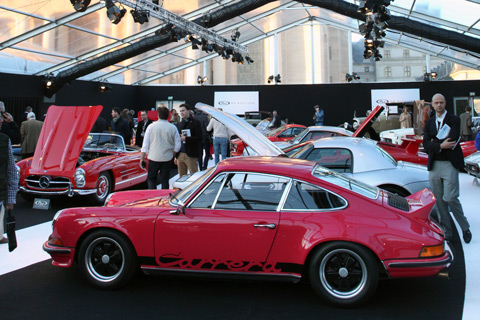
So the principle of hope prevails. If enough people believe that the early Porsche 911 still has strong potential to increase in value, then they will also be willing to pay prices for the sports car that are higher than the current prices; after all, they hope that the value will continue to rise. It's a bit like the stock market. If share buyers are convinced that Google can continue to grow strongly, they will pay a share price that anticipates some or even all of the anticipated growth. This is exactly what happens with "blue chip" classics, albeit not quite as extreme. This could also explain why there are only a few vehicle types that show such a disproportionately high increase in value, while many others, which should actually have the same potential, tend to stagnate.