Classic pearls of the future - Smart Coupé and Cabriolet (ForTwo)


It was in 1993 that the Swatch Group under Nicolas Hayek began to develop an innovative small car. It was to be electric or at least partially electric, very economical and exude lifestyle, just like the Swatch watches did.
But Hayek was unable to realize his plans on his own. A collaboration with Volkswagen was not successful and Daimler-Benz took over the project. The result was still a small car, but the concept was still a far cry from what Hayek had dreamed of.
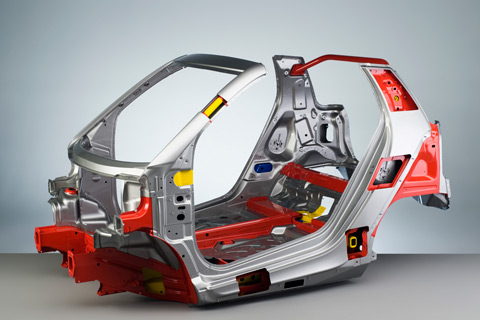
In 1995, the two-seater, closed Stmart appeared as a design study at the IAA, and from 1998 it was available to buy. 2.5 meters long, 1.51 meters wide and 1.52 meters high, it looked different from all other cars with its Tridion cell, which gave it the necessary stability. However, it had a brisk engine (with 599 cm3 and 45 hp) and was reasonably economical, so that together with the innovative sales methods it soon enjoyed a certain degree of success.
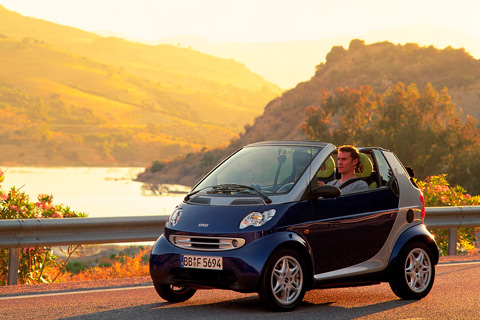
The Cabriolet was added in 2000, and special versions were created with the Brabus variants and the Crossblade.
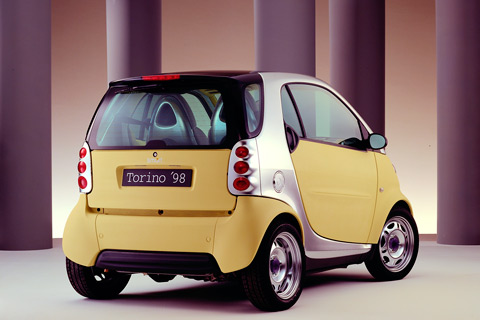
The first-generation Smart was built until 2007, when the length of the subcompact grew by 19.5 centimeters. From 2006, there were also electric versions of the Smart. And finally, in 2014, the second generation was also replaced with a model that had grown in width in particular. Untypically, the drag coefficient fell over time, as it was still a good 0.37 for the first Smart at the beginning.
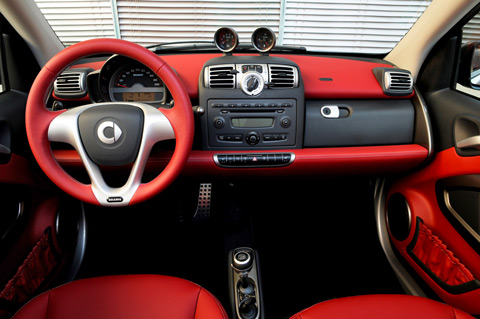
Apart from special versions, the Smart is not really a rarity. By 2013, over 1.5 million two-seater versions had already been sold - a lot for the concept, but not enough for Daimler-Benz to make any real money from it.
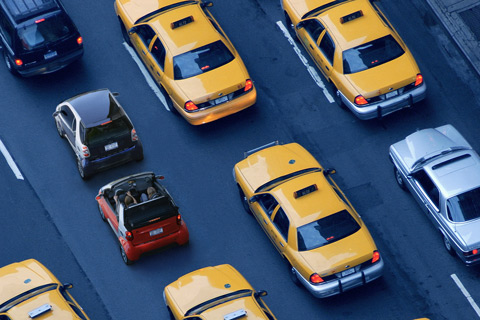
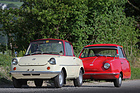
However, the appeal factor of the Smart was always high, especially at the beginning when it was still relatively rare. Similar to the cabin scooters of the 1950s, the Smart embodied the "reduce to the max" principle, i.e. providing mobility with simple (and inexpensive) means.
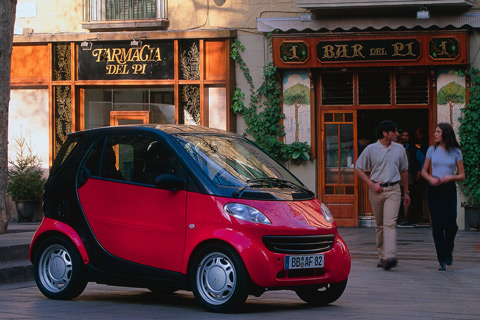
These characteristics are likely to help the early Smarts to make many friends in the future, which is why we can certainly assume that "healthy" prices will one day be paid for special and well-preserved early models, meaning that a classic star designation is well within the realms of possibility. However, we will probably have to wait a little longer, as there are still many of the early vehicles in circulation, and in a year's time the first ones will become veritable youngtimers.