What actually makes a winter car?

In the past, it was still quite common to have a second car for the winter, which you didn't have to or didn't want to take care of. But there were also other reasons for driving a different car in winter.
What characteristics made a car a good companion in the winter of yesteryear? It was certainly helpful if the car offered good traction. It was also practical if inexpensive yet effective winter tires (or even spikes) could be fitted. It should also be a reliable starter and, if possible, have an effective heater. And it probably shouldn't hurt if you drove too close to the edge of the road (or beyond) and got a dent.
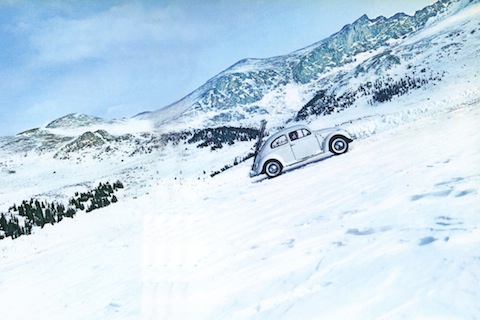
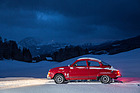
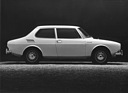
Typical winter cars were of course the VW Beetle, although it didn't get top marks for heating, the front-wheel drive Renault or Saab, but also other inexpensive cars.
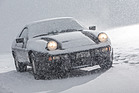
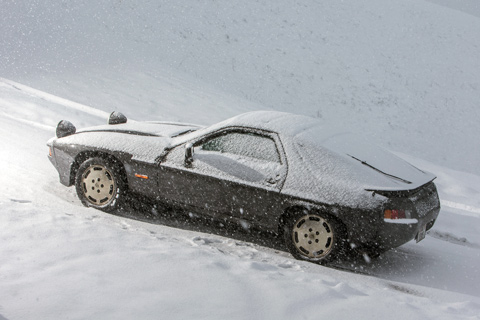
The Porsche 928 S pictured here, on the other hand, would hardly have been on anyone's shortlist 30 years ago, even though its transaxle construction was not bad. But mass and large dimensions were just as unpopular in a winter car as fat tires and large flat windshield surfaces that had to be laboriously scraped off.
On snow, however, a 928 can still be a lot of fun, provided the terrain is rather flat and the right foot can directly influence the number of wheel revolutions. And exactly, that would be another criterion for the perfect winter car, a mechanical and easily accessible/operable handbrake is certainly also an advantage on snow and ice.