Estate rear end for classic cars with added value?


Estate cars used to be regarded mostly as craftsmen's cars; those who wanted to be prestigious bought a saloon. The practical hatchback cars were usually maltreated in everyday life, so the survival rate was left behind, apart from the fact that the number of units usually lagged behind that of the sedan.
So there is a lot to be said for the fact that today, estate cars should be significantly more valuable as classic cars than their saloon brothers.
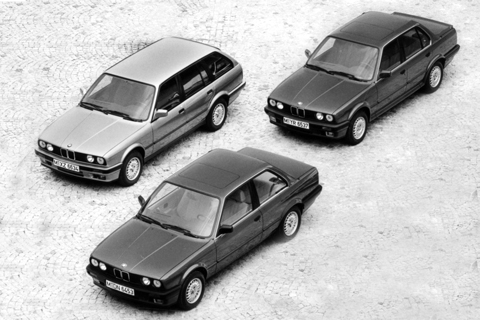
This is partly true, but the differences are smaller than one would expect. For certain vehicle types, such as the BMW E30 or the Fiat 124, the Classic Data ratings (for condition 2) are even higher for the saloon than for the estate. In the case of the Citroën DS or the Mercedes-Benz W123 series, however, estate cars are particularly sought after, probably because they are rare and have always had a large fan base.
| Vehicle type | Saloon | Estate car | Advantage/disadvantage estate |
|---|---|---|---|
| Audi 100 (5E) | 5700 | 8200 | 30% |
| BMW 325i | 13500 | 13200 | -2% |
| Citroën DS 23 | 25600 | 28700 | 11% |
| Fiat 124 (Familiare | 6600 | 6500 | 2% |
| Ford Granada II V6 2.3 | 4800 | 5900 | 19% |
| Mercedes-Benz 280 E (TE) | 11500 | 18600 | 38% |
| Opel Kadett A | 8500 | 9100 | 7% |
| Peugeot 504 | 6600 | 9700 | 32% |
Of course, the data represents the past view. But it is also interesting to see how this will develop in the future. And because this topic fascinates us, we have developed a small survey around it. We want to know from our readers how they assess the future value potential of estate cars.
And for gamers and car connoisseurs, we have also put together a quiz in which the aim is to recognize cars by their estate car rear ends. However, there are also a few sporty coupés with tailgates. But never mind.