The most popular cars in automotive history

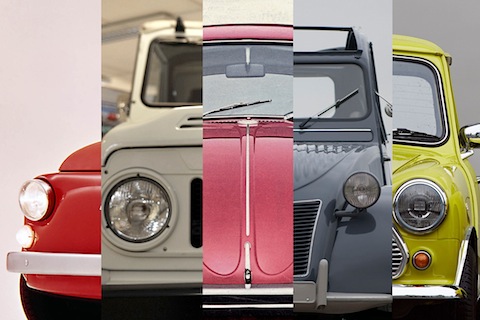
Of the many thousands of cars built, a few stand out that are widely known and, above all, loved by almost everyone - real popular cars. Why is it that Citroën 2 CV, Fiat 500, Mini, Suzuki LJ80 or VW Beetle still have such a positive image decades after the end of production that manufacturers are even reviving them with new technology?
Friendly and unusual at the same time
The typical popular automobile triggers positive feelings and affection in the observer. It looks friendly with big eyes and stands out clearly from the mass of passenger cars produced.
_-_BVR.jpg)
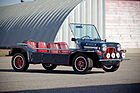
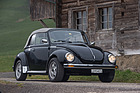
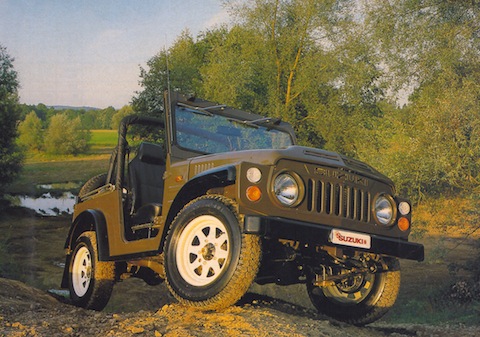
No other car looked like the VW Beetle, and the Citroën 2 CV was initially deemed unsaleable by critics because it was so ugly. The Mini and Fiat 500 were less provocatively designed, but were nonetheless something special precisely because of their small dimensions. And the Suzuki LJ80 was a scaled-down version of the original Jeep, which also had many friends anyway.
Affordable
What the popular models presented here have in common is that they are all relatively simple in design. From the outset, the manufacturers focused on low complexity and simple means, low weight and compact dimensions. They had to be practical and inexpensive - to buy, maintain and use.

The Beetle perfected this with its almost proverbial longevity (... and runs, and runs, and runs ...), but the Ente, Mini and Cinquecento also endured many years of hard use. They were taken on trips around the world, and parents often passed them on to their children.
(Almost) classless
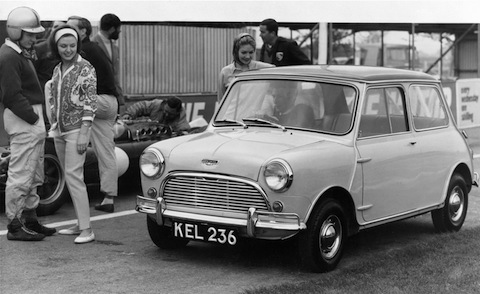
It is no coincidence that these particularly inexpensive vehicles found fans not only among novice drivers or low-income earners, but across all income brackets. Beatles band members were just as likely to show up in a Mini as television presenters in a Beetle. Somehow, exceptional talents such as the LJ80 or Fiat 500 eluded the usual class divisions.
_-_Fiat.jpg)
And this despite very comfortable driving dynamics. The top speed was reached at 120 km/h or even before, and the sprint from 0 to 100 km/h could easily take more than 40 seconds. But that mattered little to the fans.
Loved, tasted and named
Hardly any other type of vehicle has more pet names than our most popular models. The Fiat 500, for example, is called "Luigi", the duck "Pfüdi" or "Donald", the Mini "Barbarella" and even the manufacturers joined in. For example, the Suzuki LJ80 was also called Eljot, a name reminiscent of the Disney cartoon monster, which promptly caused copyright problems.
Movie appearances as a sympathy factor
It is no wonder that Beetle, Duck and Mini made many film appearances. The Beetle was the most successful, with two film series starring the spherical car and hardly anyone has not seen at least one Herbie or Dudu film. But the Mini also appeared in many films, with the chase through the catacombs of Turin in the movie "Italian Job" being particularly impressive. And the duck? That's right, James Bond used it as a getaway car and there was promptly a special series with bullet holes glued on afterwards.
Built for a long time
Cars that have been built virtually unchanged for 20 or even 40 years are almost unimaginable today. But the VW Beetle lasted 75 years in production, the Deux Chevaux and the Mini 41 years, the Fiat 500 left the assembly line for 20 years with hardly any changes, only the Suzuki LJ80 can't keep up with four years. Nor in terms of production volume, because the comparatively short-built Japanese car had little to offer in the way of the millions that Volkswagen, Citroën, Fiat or Leyland were able to report.
Resurrected
And because they were so good and popular, the manufacturers resurrected the popular models. The main focus was on visual borrowings, while the technology of the modern successors has little to do with their predecessors.
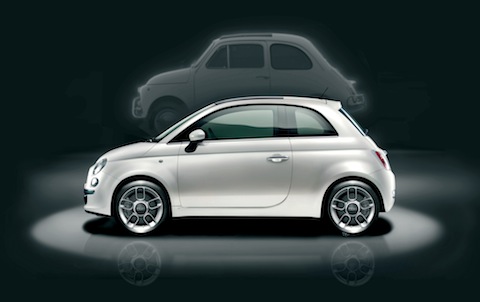
In the Fiat 500, the engine moved from the back to the front, as did the VW Beetle. Air cooling became water cooling, displacement and performance increased significantly. BMW remained closest to the concept of the new Mini.

Citroën has so far eschewed retro design, refrained from a new edition of the Ente and left it at a concept car, and Suzuki has also seen no reason to revert to the LJ80.

The modern successors benefit from the positive image of their predecessors, even if they are significantly larger, heavier and actually less likeable than their role models. However, the fact that these reincarnations exist and have even become brand or at least model series identities can be seen above all as a tribute to the original versions.
A large collection of images on the subject of likeable models with over 1000 photos are shown in a new series of picture magic.