How regulatory intervention influences the classic car market


The United States of America is a car country, that's nothing new. With 300 million inhabitants, many of whom own or want to drive an automobile, the market is huge. Because the Americans took safety and environmental protection seriously early on, they repeatedly passed laws and regulations that had a considerable influence on the design of vehicles and on specific designs for the USA.
Adaptations to the US market demanded considerable modifications from European (and Japanese) manufacturers from the 1970s onwards, as evidenced by the large bumpers on a Lotus Esprit or Lamborghini Urraco, for example. The engines also had to undergo considerable modifications, usually resulting in a loss of power, if a manufacturer wanted to sell its car officially in the USA.
In 1988, the US Congress passed a law that made it illegal to import (used) cars that had not been adapted to local regulations or to register them for road use if they were less than 25 years old. This regulation still applies today. The downside of this is that every year a new vintage is released for free import, so to speak, currently in principle the 1990 vintage.
Americans who are interested in exotic vehicles from Europe, Australia or Japan can therefore import cars that were not sold/available in the USA at the time and put them on the road normally without having to fit huge bumpers or additional catalytic converters or airbags. Accordingly, the Americans look with interest at European auctions and small advertisements in local magazines. Auction houses have also recognized this "loophole" in the regulations and are increasingly offering classic cars from the seventies and eighties directly from Europe or Japan.
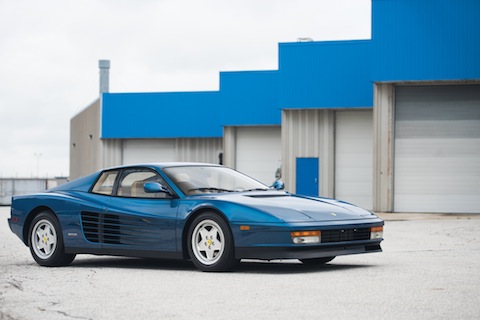
And the new demand then has a direct impact on market prices. Want an example? Market prices for the Nissan Skyline R32 (pictured above), which was sold primarily in Japan from 1989, have almost doubled in the domestic market in a short space of time because the demand pull from the USA is already having an effect. Something similar is probably happening with vehicles such as the Ferrari Testarossa or the BMW M1.
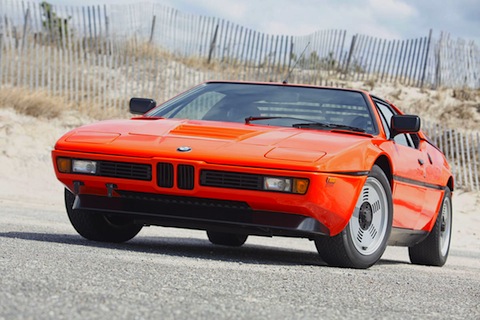
So if cars that are 25 years or older and were originally not available in the USA, or only in an unattractively modified form, are currently experiencing strong price growth, this could well have something to do with the "Imported Vehicle Safety Compliance Act of 1988".