On the road with wood in the Opel Kadett City BiFuel

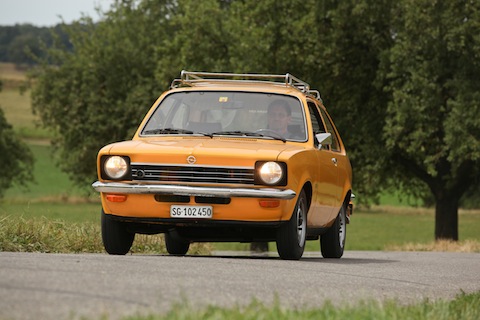
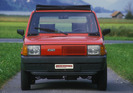
From the front, it looks like a normal Opel Kadett City 1200- hardly anything would give away its special status. But wait, what is this exhaust pipe doing in the radiator grille?
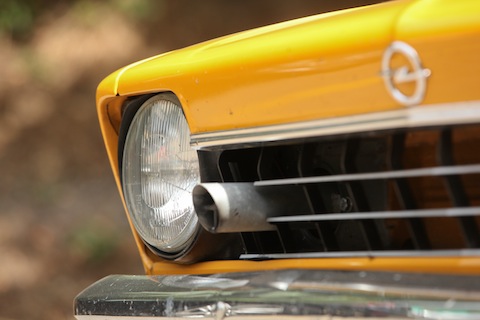
Exactly, this is not an air intake, but an exhaust. This is where gas produced by the wood carburetor in the rear but not needed in the engine comes out.
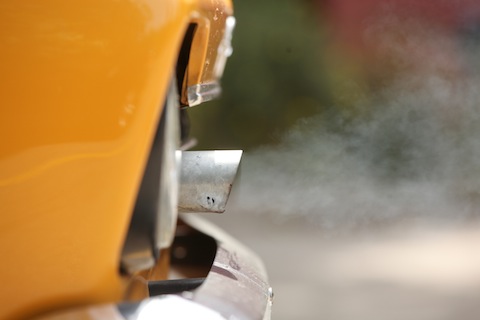
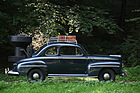
Viewed from the side, you immediately recognize the large, approximately 90 kg attachment dating from 1947, which makes this Opel Kadett City a car that can also run on wood. Of course, the developers of the system in the 1940s would never have thought of "BiFuel" as a term.

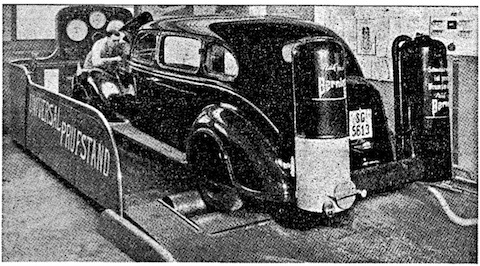
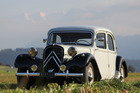
In the 1940s, elaborately designed wood carburetor systems were being built everywhere, which, when fitted to vehicles such as the Citroën Légèreor the Ford V8 , made them independent of unavailable petrol.
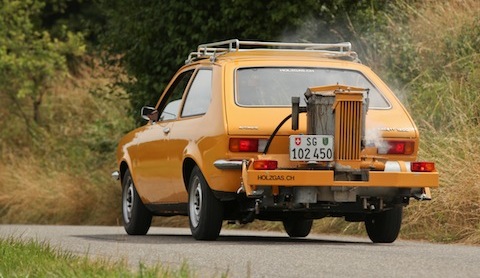
However, driving with wood - the Kadett City preferred to eat dry hardwood, e.g. the waste produced during the manufacture of Davos sledges - was considerably more expensive than petrol-based transportation. After all, you were not filling up with a ready-made fuel, but a raw product that first had to be converted into a gas that the engine could use.
We were able to see what this means in practice with the Opel Kadett City. First, around 6-10 kg of wood is filled in, and the system also needs to be supplied with water. Then you can light the fire. It easily takes 30 minutes before you can drive off. But once the system is producing and filtering gas at a stable flow rate for the first time, the car can be started and driven almost like a normal petrol engine.
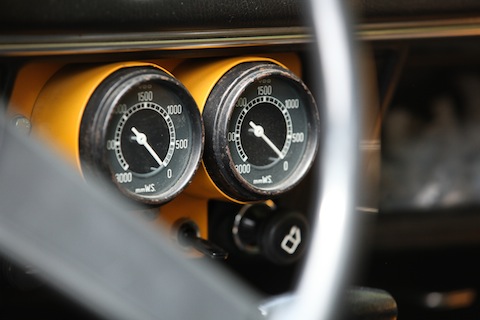
However, it is advisable to keep an eye on the special control instruments at all times and to anticipate early drops in performance due to bottlenecks in the gas supply. A steady driving style is also called for, as the wood-powered Opel only likes pronounced braking maneuvers to a limited extent.
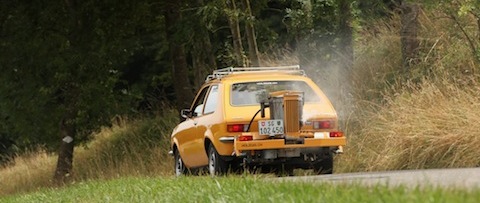
It is estimated that the Kadett City loses around 40% of its performance compared to commercial gasoline, which leaves around 40 hp. On flat roads you can make good progress, but as soon as you start to climb a slope, the car slows down.
And after 20 or 30 km at the latest, you have to take care of refueling, i.e. you fill the next 7 to 10 kg of wood into the burner. You try not to burn yourself, because the system is now very hot. The pit stop takes about 5 to 10 minutes, then you are ready for the next 20 or 30 km, provided there are no blockages or interruptions to the supply in the burner or the downstream filters. Yes, such a car would probably be nothing for today's stressed managers, although in an emergency it can also be driven on gasoline.
A comprehensive article on the wood carburetor Opel and its background is being prepared for the next but one issue of SwissClassics Revue.