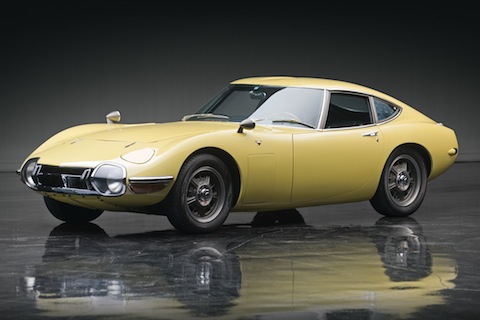
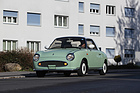
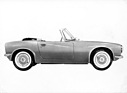
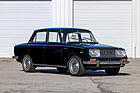
The pretty Minis of the Japanese at the beginning of the sixties

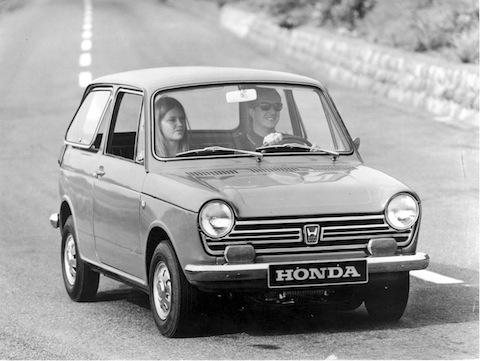
Hardly anyone remembers the small, well-proportioned and attractive cars that the Japanese car industry built at the end of the 1950s and beginning of the 1960s. These compact vehicles were primarily delivered to the domestic market and hardly ever made it to Europe. The Honda N600, which was built from 1967 onwards and was even seen on our roads, is probably the best known. The engine was made entirely of aluminum and was capable of 45 hp. At speeds of up to 9,000 rpm, the little car reached speeds of around 130 km/h. Its performance was on a par with much larger and more powerful cars.
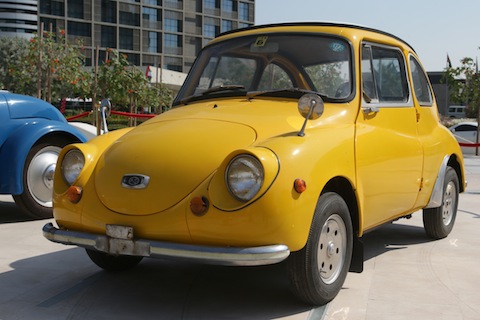
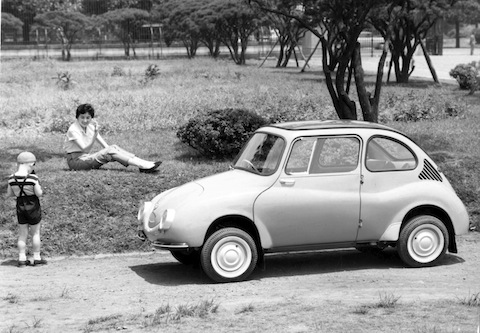
The Subaru 360 was the first mass-produced vehicle and was a success with 392,000 units produced between 1958 and 1971. With its air-cooled two-stroke engine and four seats, it could also transport a small family.
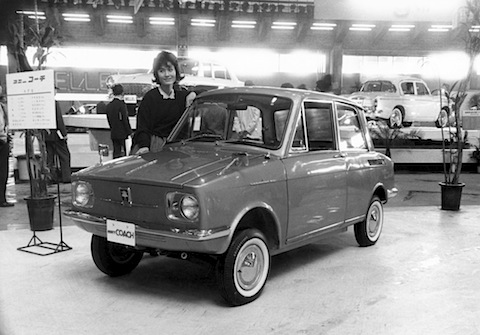
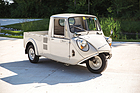
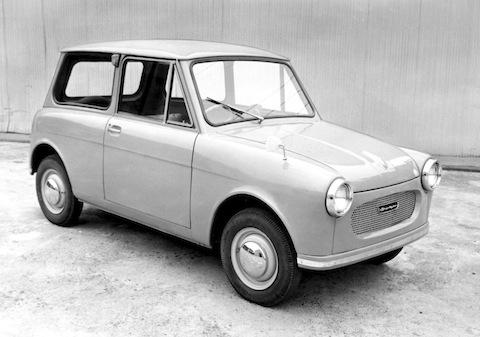
As early as 1959, Suzuki introduced the Suzulight 360, also known as the Suzuki GHT 360 TL (pictured above). This was a very advanced vehicle, the dwarf had individually folding rear seats and a large tailgate. A storage capacity of 1000 liters and a payload of 300 kg were more than impressive. The 360 cm3 two-cylinder, two-stroke engine, which was installed transversely and drove the front wheels, produced 21 hp. Technically, the 360 was heavily based on the previous series, which in turn borrowed generously from the Lloyd LP400.
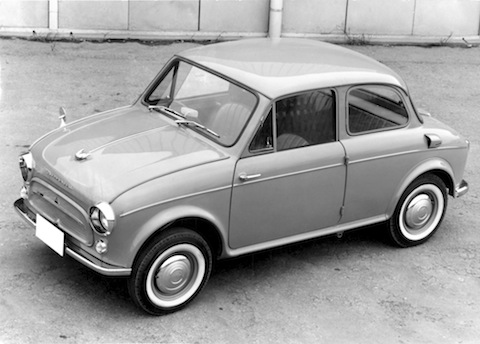
From 1960 to 1962, the company Shin Mitsubishi Heavy-Industries built the Mitsubishi 500. With an air-cooled two-cylinder rear engine, the small car, weighing just 490 kg, reached 100 km/h.
Premium members can find the original recordings in the Zwischengas archive .