The steering wheel on the wrong side?


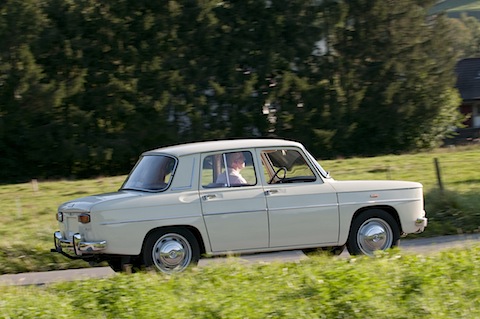
We Central Europeans prefer cars with the steering wheel on the left, i.e. facing the middle of the road. For exactly the same reason, vehicles that are primarily driven in England, Japan or Australia are right-hand drive, because left-hand traffic prevails there.
Some classic car buyers in Germany, Austria or Switzerland flinch when they are offered a right-hand drive vehicle. Why is that?
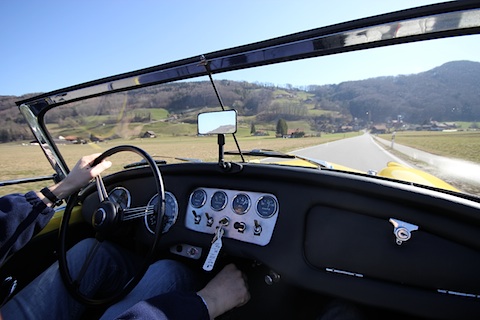
Right-hand drive vehicles are considered impractical in our part of the world because you sit on the wrong side , so to speak, at highway pay stations, parking garages or drive-ins and therefore need a passenger in some situations. Right-hand drive vehicles offer a poorer view of oncoming traffic before overtaking maneuvers.
In addition to these tangible disadvantages, many drivers also find it difficult to get used to shifting gears with their left hand and it is also harder to quickly glance in the rear-view mirror.
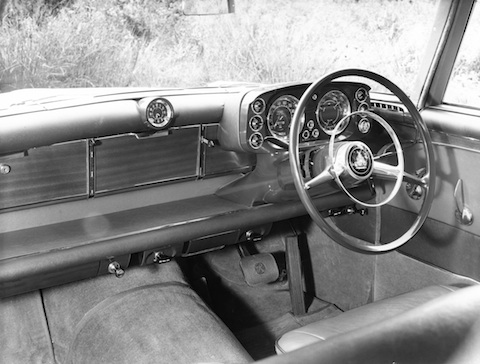
In fact, driving with the steering wheel on the right does take some getting used to and from time to time there is a loss of comfort (see above). However, this alone should not be a reason to refrain from driving a "RHD" classic car (RHD = Right Hand Driven). Nevertheless, right-hand drive vehicles often change hands for lower prices on the mainland or are more difficult to sell, and the reverse is true in England, for example.
From my own experience, I can say that you quickly get used to driving with the steering wheel on the right-hand side and that the disadvantages are much less obvious, especially in the classic car environment. And an English car handles even more "English" when the steering wheel is mounted on the right.
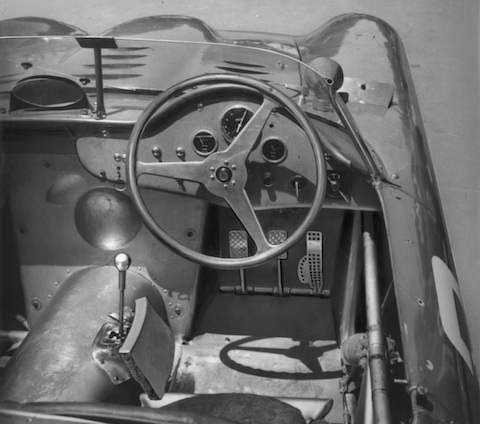
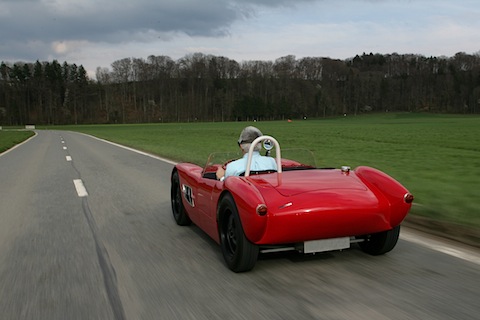
On the racetrack, things are completely different anyway, because most circuits are on the right-hand side and vehicles with the driver (and steering wheel) on the right-hand side have an advantage, which is why the right-hand position was preferred for racing cars, especially in the past.