Not quite eight - our quiz on the V6 engine

Is a V6 a prevented V8? Or would a V6 be a "natural" phenomenon and the V8 simply an exaggeration? Historically, of course, the V8 is the decisive step, the clever move and the unexpected counterattack. Put simply, the popular V8 was Ford's answer to the straight six-cylinder engines of its competitors General Motors and Chrysler, and Chevrolet and Plymouth respectively. No wait, the Plymouth also only had four cylinders when it came onto the market in 1929, but it did have four hydraulic brakes. This was in contrast to the Ford A, which had mechanical brakes, and Chevrolet, which had the aforementioned six-cylinder brakes from 1929. Ford countered in 1932 with the well-known flathead V8. An engine that was so cleverly designed that it was cheaper to build than Chrysler's four-cylinder. And - of course - it offered more prestige with its eight pots. Of course, there had been V8 engines before, but only in luxury cars.

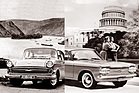
Chassis with Ford V8 at the 1932 Paris Motor Show
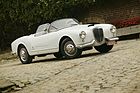
But what role did the V6 play? Was it ever given the love it deserved? Or will it always be overshadowed by the V8? It all started so well back in 1950, when Lancia first showed this design in a production car for the Aurelia. The V6 was something noble, a worthy drive for a luxury class car. With an emphasis on class.
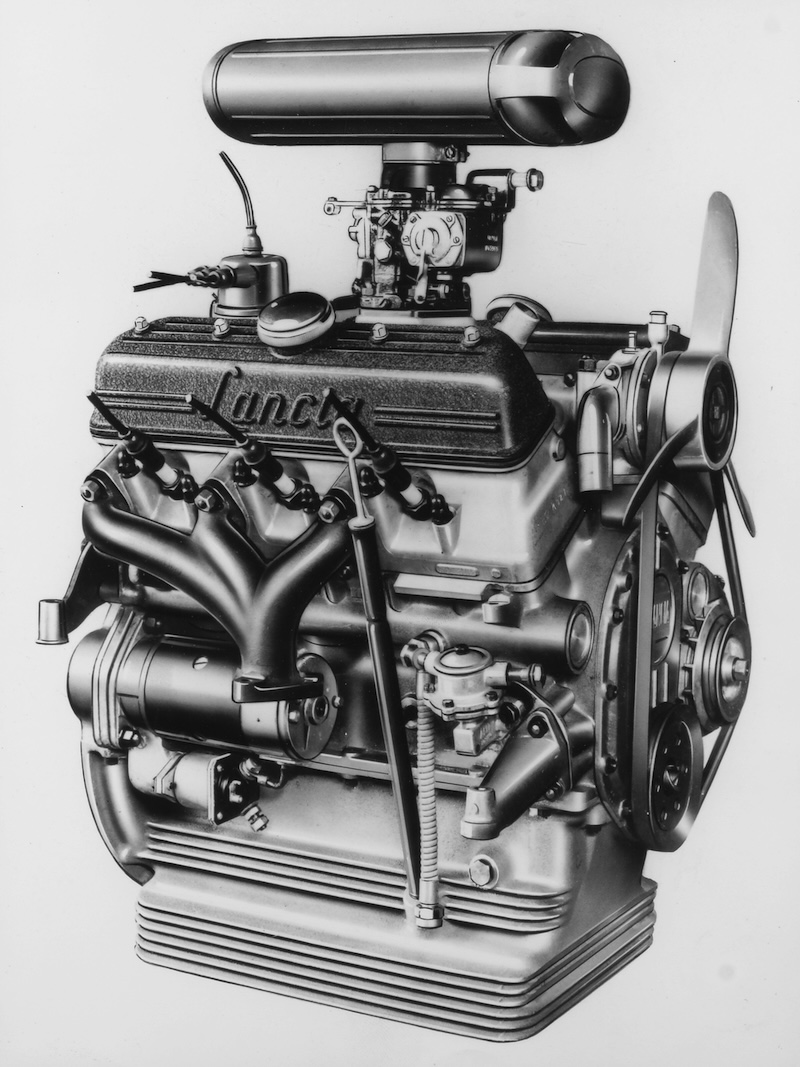
Engine of the Lancia Aurelia Series Due
But in the land of V8 engines, of all places, it was deprived of something like its noble aura and the V6 was downgraded to a budget engine, the smaller, shabbier brother of the V8. The best example of this is Buick's innovative aluminum V8 engine from 1961, which was replaced by a thin-walled cast iron V6 in 1964. Later, in the early 1980s, it became the epitome of downsizing, the reduction of American dimensions in terms of displacement and bodywork.
But the Europeans also joined in this game. The Douvrin engine, also known as the PRV, is a good example. Everyone knew at the presentation that it should actually have been a V8 engine. Or that it was at least based on this idea. One wished that this had not gotten through in the first place, that a V8 had served as the basis.
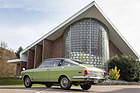
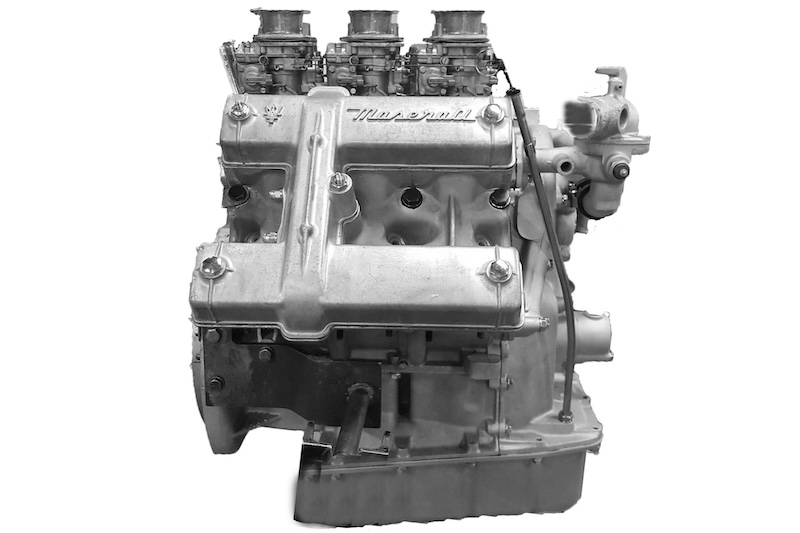
But no, not every V6 was an embarrassing solution. Let's remember the Dino V6, for example, first a racing engine and later a sports engine, which absolutely lived up to its origins in Maranello. It is the same with the Alfa Romeo "Busso" engine. And even the 3.2-liter from the Fiat 130 is praised. But with Maserati, we are back to the old pattern: a V6 as a smaller version of a V8? The V6 from the Citroën SM pictured at the top might suggest this. From the opposite perspective, however, it was the first Citroën engine with more than four cylinders for a long time. So it's definitely a great thing.
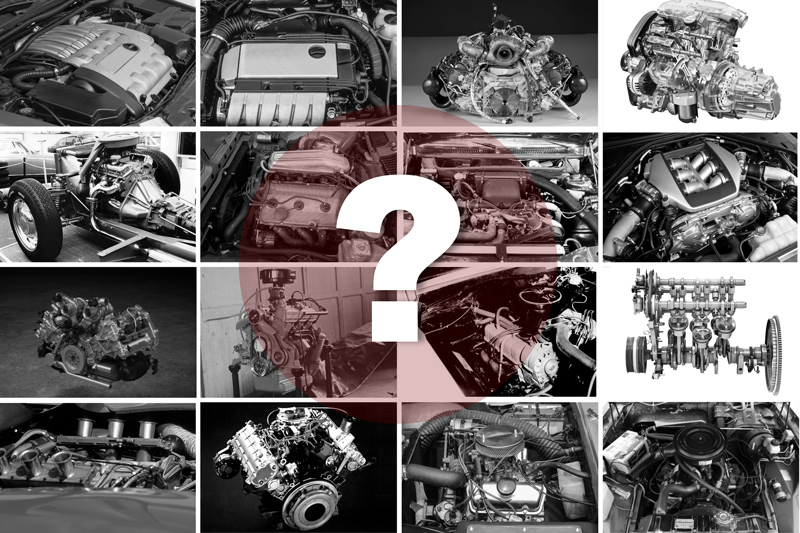
But why did I come up with this topic in the first place? That's right, I've put together some V6 engines for this 188th quiz for car connoisseurs . It's not quite easy to play, but there's some information hidden in there. Have fun!