Is Generation Z to blame?


A headline in the NZZ this week read: “Too demanding and exhausting: Generation Z is becoming less and less interested in technical professions.”
And indeed, when you talk to classic car specialists and maintenance shops, recruiting staff always comes up as one of their biggest concerns.
Young people, one hears, often not only have an education that’s considered “too modern” from a classic car perspective, but they’re also often unwilling to endure the long learning curves and put in the occasional extra hour. And working on weekends is usually out of the question anyway. It’s not uncommon for new hires to leave the company soon after, even before the initial investment in their training has been recouped.
Consequently, labor costs at classic car shops are becoming increasingly expensive. I can still remember paying 49 francs per hour for work on my classic cars; today, the rate is 140 francs—or even over 200 francs, depending on the shop. This hasn’t led to any increase in efficiency; on the contrary, the number of hours required for work has often gone up because more time is now billed for research, or simply because the mechanics working on the cars have less experience.
So it’s getting more and more expensive to maintain a classic car if you can’t do the work yourself. It’s no wonder, for example, that a faulty heat exchanger in a Triumph TR7 essentially spells the commercial death of this British classic due to the labor hours billed and the high prices for parts and labor. Of course, you won’t just scrap your car because of bills like that, but these bills—which often run into the four- and five-digit range these days—certainly sting.
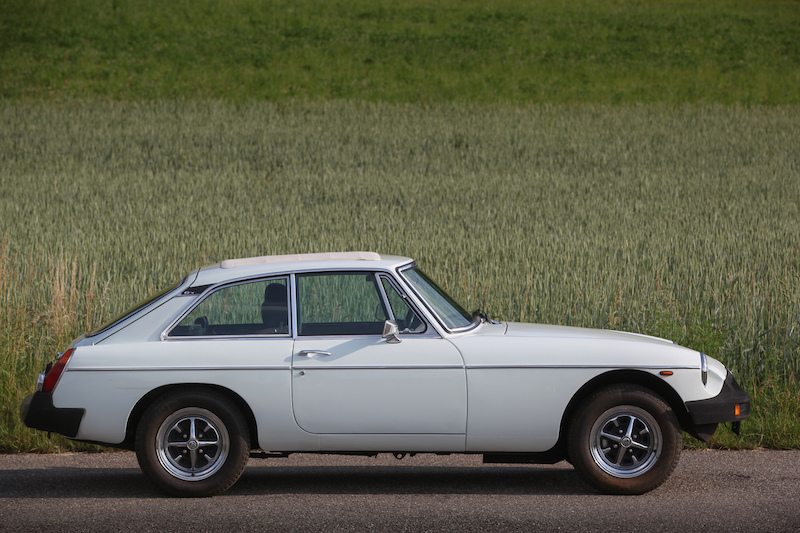
And for young people looking to buy their first classic car, all of this is naturally quite daunting. After all, what’s the point of being able to buy, say, an MGB today for just under five figures—or an Audi convertible for even less—if you’re then faced with huge maintenance and upkeep bills?
Of course, it’s not (just) Generation Z (born between 1996 and 2012) that’s to blame for this trend. There are many more factors at play—such as declining spare-part quality, expensive rental costs (for repair shops), regulations, and so on—but the world of yesteryear, when a small budget was enough to run a classic car, is clearly a thing of the past.
P.S. Of course, there are also exceptions and young people who enthusiastically immerse themselves in the world of classic cars, spare no effort, and are thus able to build a career and a business for themselves. Thank goodness!