40 years of the highway vignette ... and how it became a habit

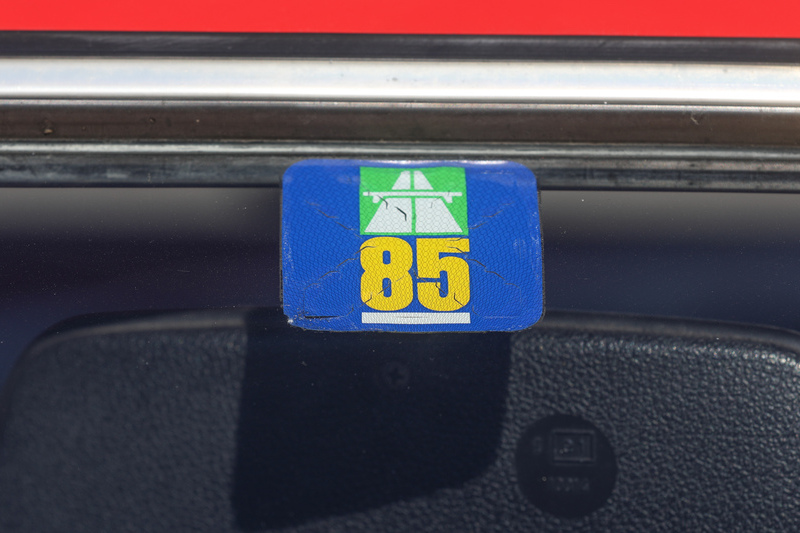
There was much discussion in 1984 and before, much uncertainty about the implementation spread and there was concern about tourists staying away. The dispute had already begun in the 1970s, when a highway toll sticker was first proposed as part of the overall traffic concept. But the arguing and bickering finally came to an end on February 26, 1984, almost 41 years ago, when the Swiss people approved the freeway toll sticker by 1,128,953 (yes) votes to 1,002,116 (no) votes.
From January 1, 1985 (almost exactly 40 years ago), this freeway vignette was then a prerequisite for using the first and second class national roads for 30 francs. The feared traffic jams at the borders only partially materialized, the commission crossings could be regulated and the vignette became commonplace.
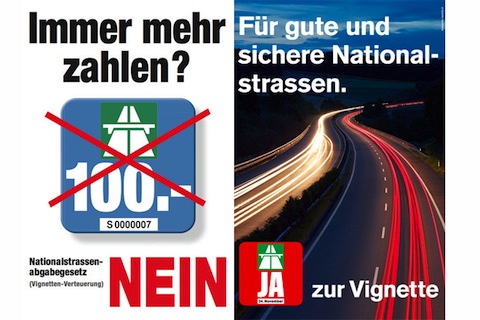
On January 1, 1995, 10 years later, the price was raised to CHF 40.00 after the people had once again voted in favor of it. However, an increase to CHF 100 was prevented by referendum in 2013.
Year after year, we have affixed the vignette, even several copies for several cars. Over the last 40 years, I alone must have collected between 70 and 100 of them, always surprising us with new bright colors that sometimes matched the exterior paint of the car better and sometimes worse. You could only hide the vignette on motorcycles (and trailers).
Since August 2023, the vignette can now also be obtained electronically and no longer has to be affixed or removed every year. However, nostalgic drivers can still make do with the adhesive vignette.
At CHF 40.00 per year, the Swiss vignette is inexpensive compared to other countries; Austria, for example, is quickly more expensive and a freeway trip in France or Italy can run to the same amount after several hundred kilometers. The vignette is unlikely to have cost tourists much and the controls seem to be less controversial than feared.
However, nobody wants to think about abolishing the vignette these days, because once taxes have been introduced, they are difficult to get rid of ... and the state is once again desperately looking for funds and budgets ...